

Winter Hair Colors for Brunettes: 34 Ideas for 2027
Winter Hair Colors for Brunettes in 2027: chocolate brown with auburn, burgundy, caramel balayage and cool cherry. Save these before your salon visit.
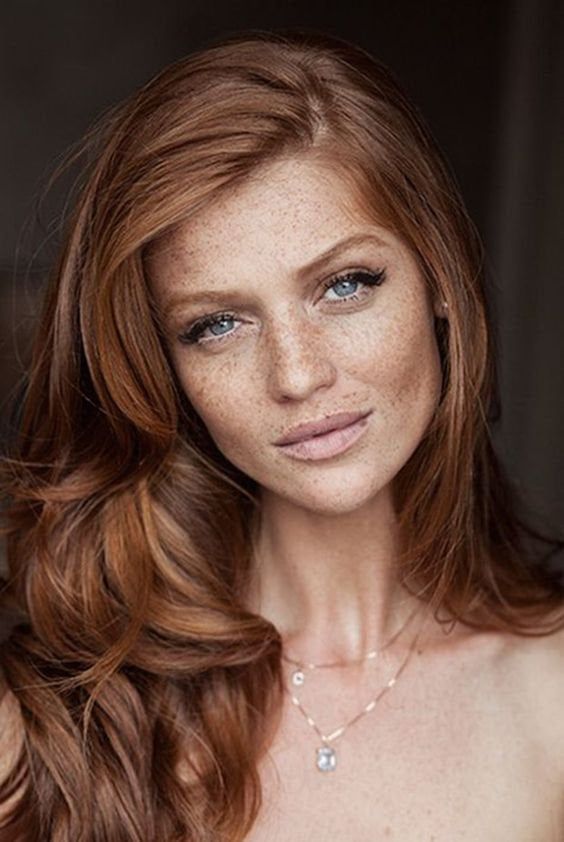
Every brunette I talk to this winter wants the same thing: a little heat. The cool ash shades that ruled last season are fading out, and what people want now is color that picks up the light. I understand the impulse. My own brown turns flat by February unless I bring in some warmth.
For 2027, I rounded up 34 Winter Hair Colors for Brunettes, from a quick root shadow to a full hand-painted balayage. Some are an afternoon in the chair, others just a glossing treatment. Fine or thick, straight or wavy, there is a shade here that won’t wash you out, and I’ve already picked the one I’m booking.
Dark Blonde With Lighter Blonde Balayage
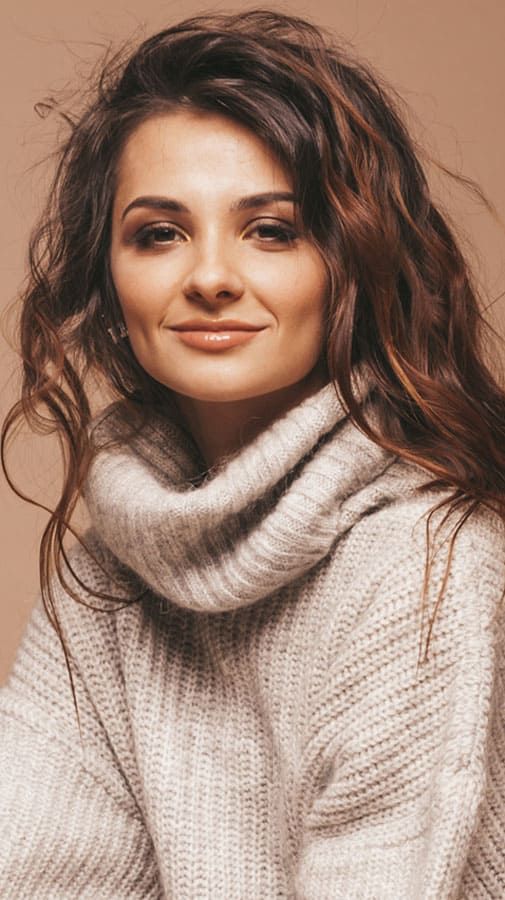
This shade proves that winter brown doesn’t have to look flat. The dark brown base holds its ground while the lighter blonde balayage carves out dimension around the face, and that contrast keeps it from disappearing under a winter coat. My hair is fine and goes limp by 4 pm, so I like that the lighter pieces create the look of volume without any backcombing. The tone leans cool, which looks expensive against gray winter light, and it flatters fair skin with pink undertones as well as deeper complexions with warm undertones. My roots showed at week five, but with such a dark base the regrowth reads as shadow rather than a mistake. Think of it as a good wool coat for your hair: it does the heavy lifting so you don’t have to.
Chin Medium Brown Lob With Caramel Highlights
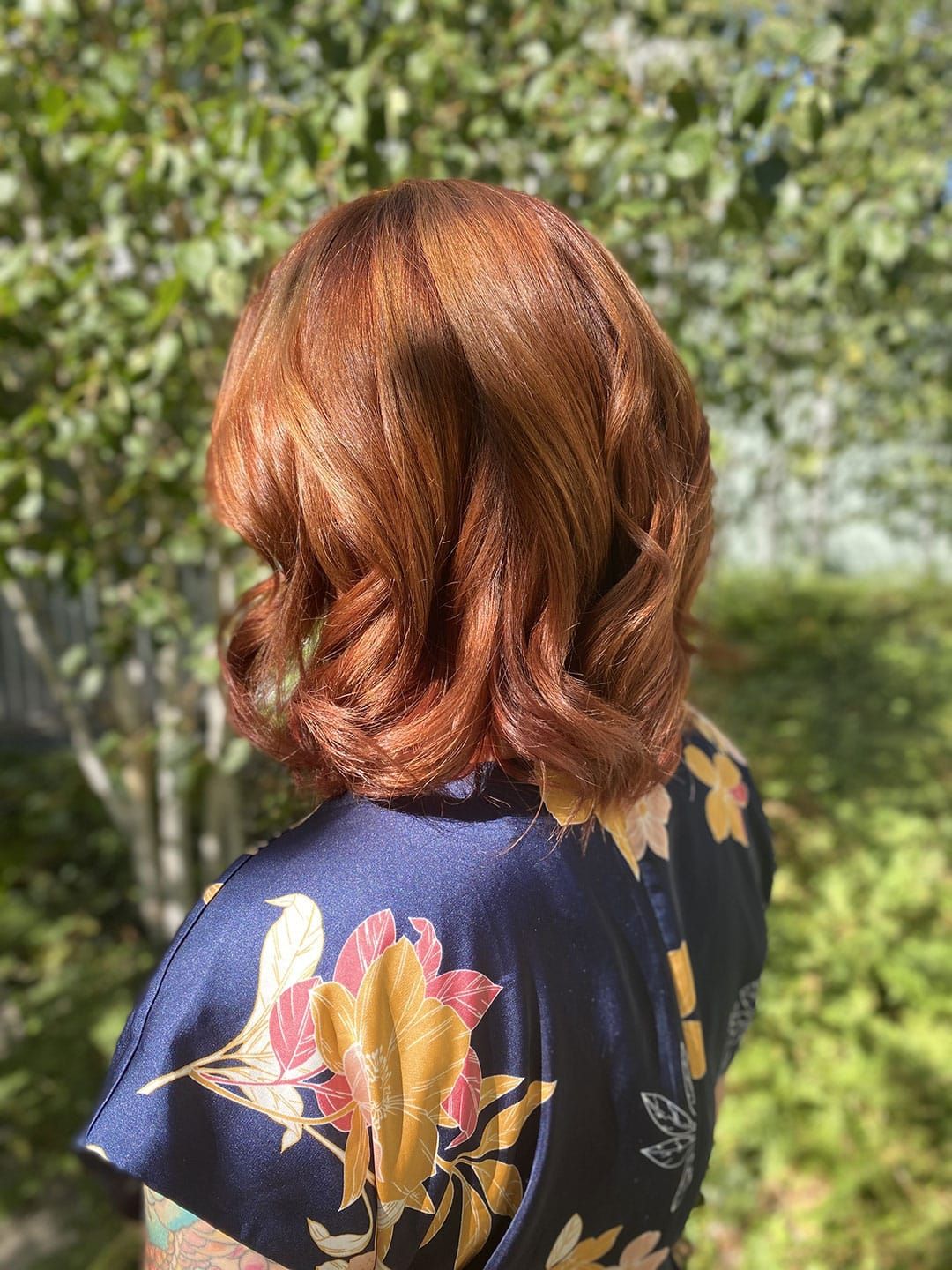
Can you get warm caramel highlights at home without regrets? On a chin-length lob with a side part and loose waves, medium brown with caramel highlights stays subtle, with thin ribbons of warmth that lift the base without shouting. The technique is close to balayage: hand-painted rather than foiled, so the grow-out stays soft. Medium-density wavy hair helps the highlights sit naturally. This is a salon job, since a home kit tends to produce stripes rather than ribbons. Expect about two hours in the chair, and the result lasts through winter with a toning gloss at week eight. It’s worth booking.
Shoulder Length Wavy Blowout
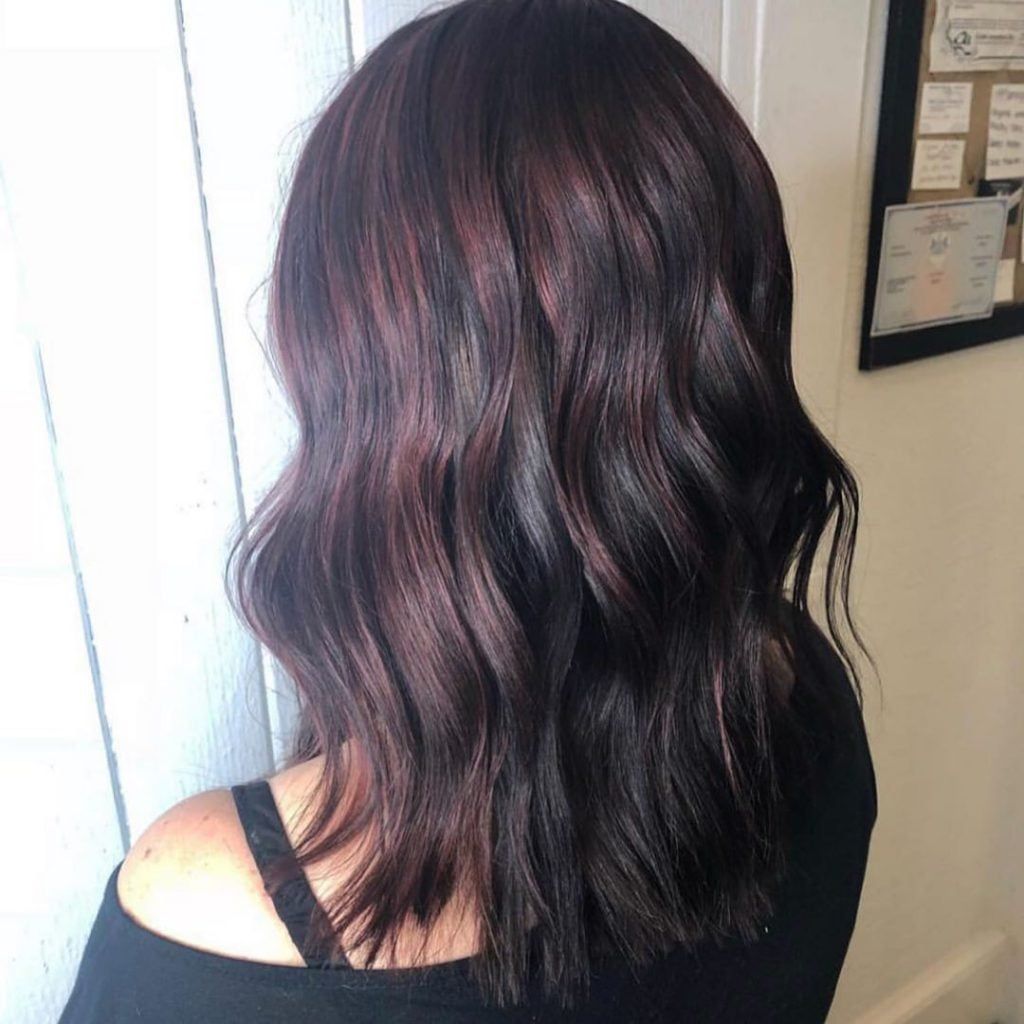
Caramel highlights on medium brown are the winter version of a soft sweater. They add warmth without shouting. This medium brown with subtle caramel highlights sits at collarbone length with a wavy blowout, and the middle part keeps it balanced. For winter it’s a smart choice, because the highlights echo the low winter sun without going brassy.
- Medium brown base
- Subtle caramel highlights
- Collarbone length
- Wavy blowout styling
The grow-out is soft, so you can stretch to ten weeks before a refresh.
Collarbone Dark Brown Lob With Caramel Balayage
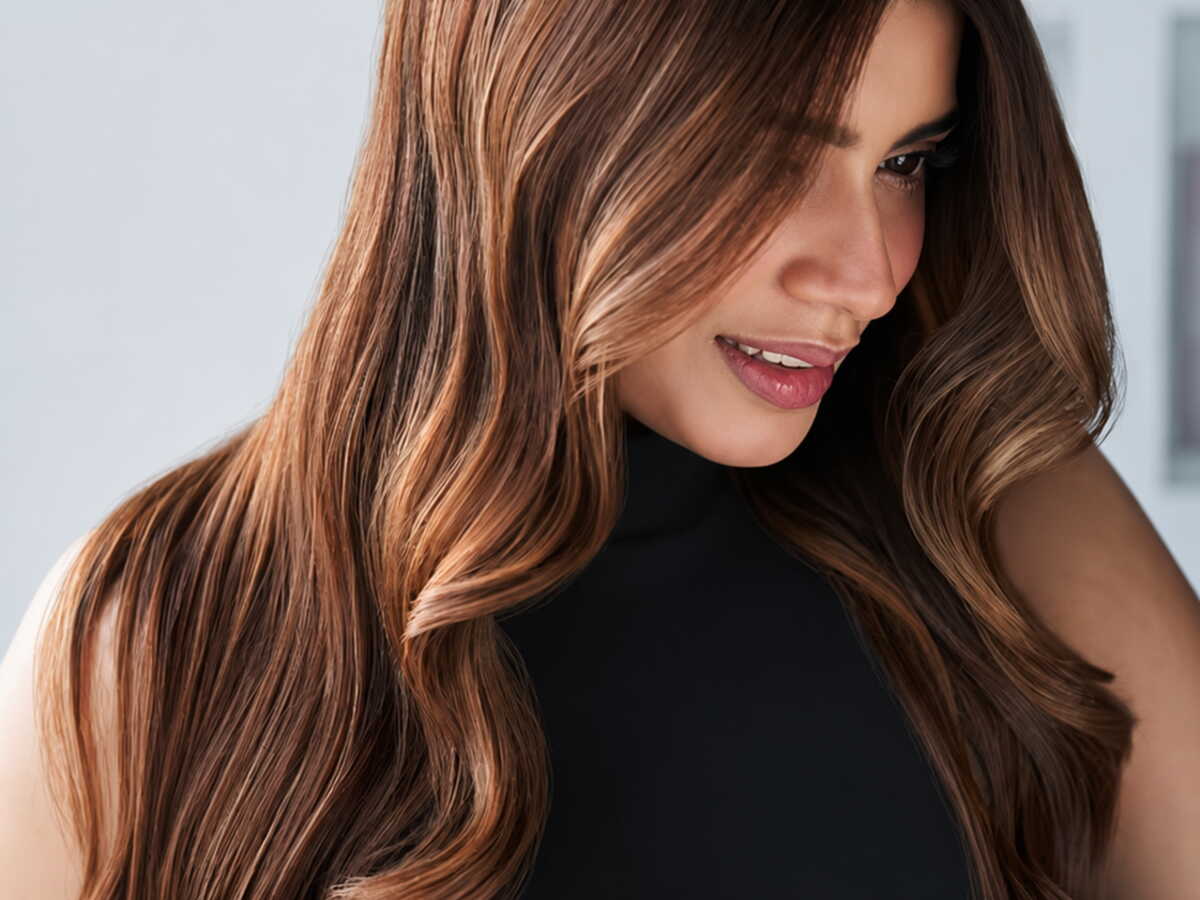
My instinct says this beats a solid single-process brown every time. The lob with caramel balayage begins with a medium to dark brown base, then caramel tones sweep through the mid-lengths and ends in a hand-painted arc that looks sun-kissed rather than highlighted. Side-swept bangs, thick wavy hair, collarbone length. A single-process color sits flat in winter light, but this one catches the glow because the blonde and caramel pieces break up the mass. The technique is balayage rather than foil, so the grow-out is a soft blur, not a line. Book the salon. This isn’t a bathroom-mirror job.
Collarbone Medium Brown With Subtle Caramel Highlights
Winter light is thin and gray, and flat brown can disappear into it. Medium brown with subtle caramel highlights solves that by adding warmth without going full gold. The caramel is painted sparingly through the mid-lengths and ends, not the roots, so the grow-out stays soft and the color stays low-maintenance through January and February. At collarbone length, layered, with a wavy blowout, the caramel reads like sunlight even when there isn’t any. It’s a strong winter pick for brunettes who want warmth without committing to red or copper.
Deep Auburn With Red Undertones
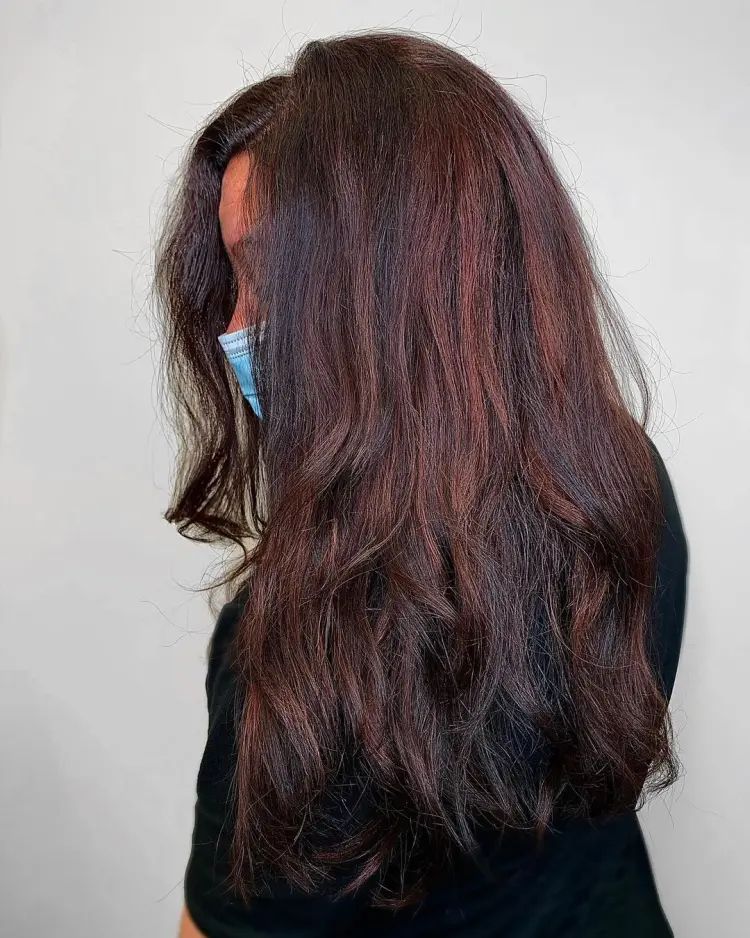
This is the color I book when I want people to assume I have naturally rich hair rather than a standing appointment. Deep auburn red undertones sit on a dark brown base, not a lifted one, so the grow-out is a slow fade rather than a stripe. The technique is a single-process color with a red-violet toner layered on top to keep the red undertones from turning orange by week three. Mid-back, thick, wavy, middle-parted hair shows the red richest when it has some natural movement. A trim every eight weeks keeps the ends from looking dull next to the depth. Red fades faster than brown, so expect a toning shampoo in your future.
Deep Burgundy Brown Mid-Back
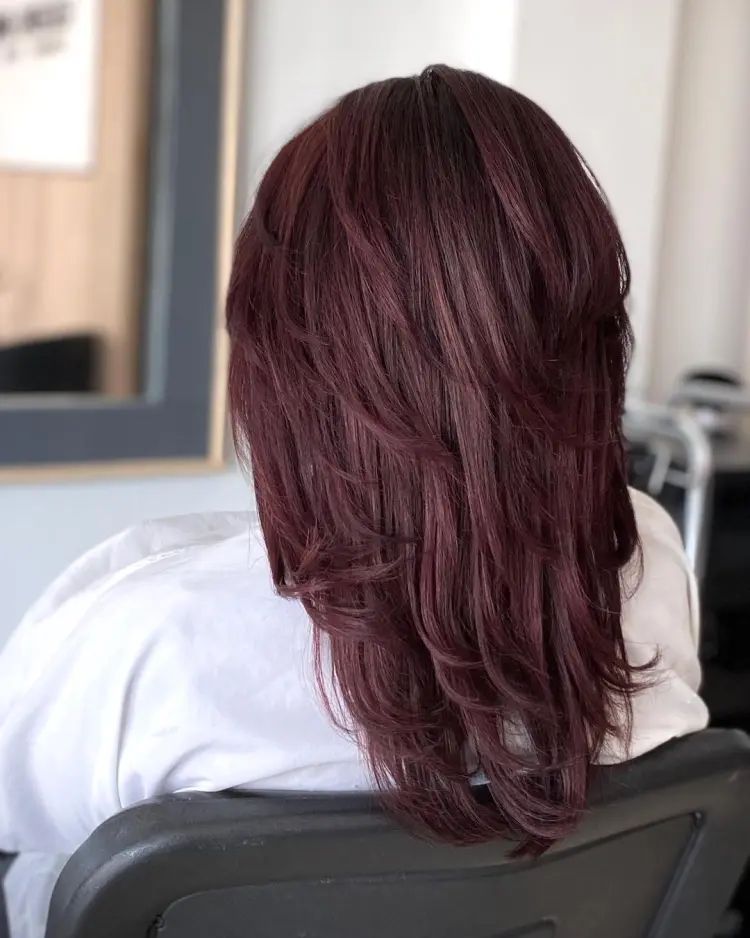
I booked this twice in one season. The deep plum or aubergine on this collarbone-length shag is rich and layered, and the back view shows how wavy, medium-density hair lets the color breathe. It isn’t flat, either: the layers catch light differently, so the plum reads darker in some spots and warmer in others. The grow-out is forgiving because the tone is so deep that new growth blends for about six weeks before anyone notices. A trim every eight weeks keeps the layers from looking shaggy. The upkeep is real, since color-safe products matter and the plum fades without them, but the depth is worth it.
Dark Brown Lob With Half-Up Style
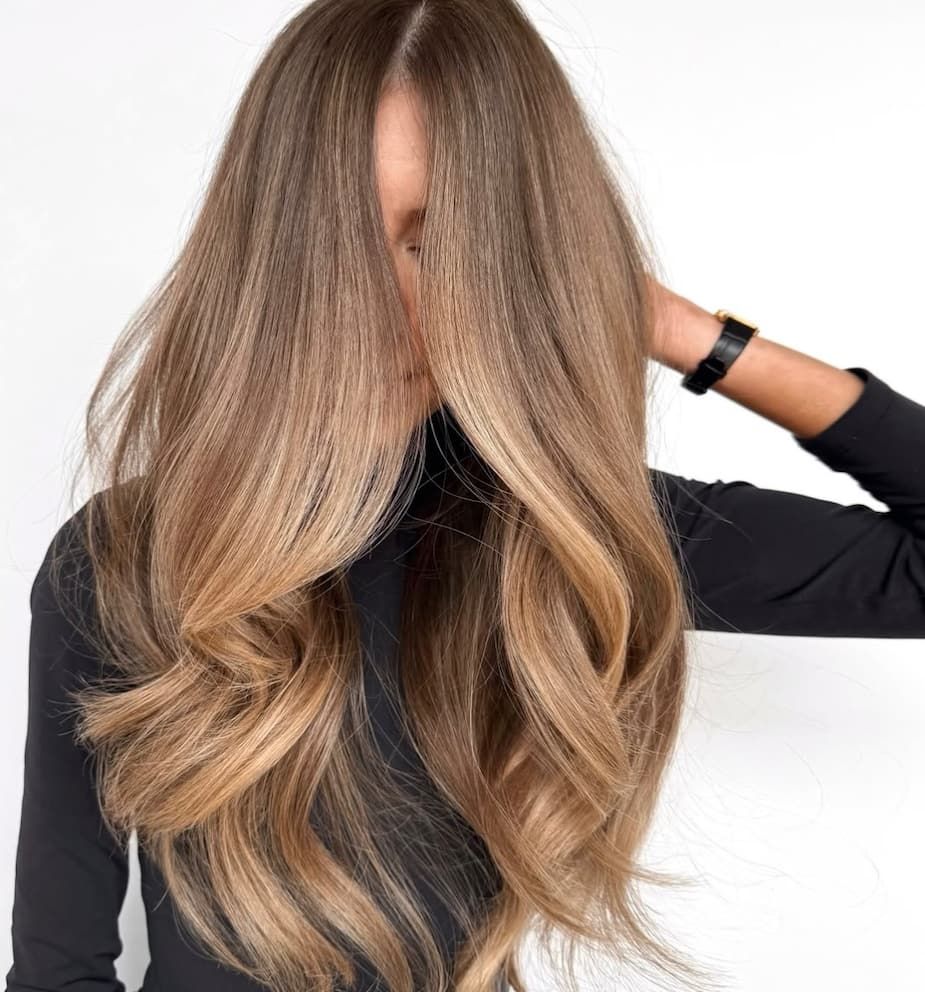
Let me tell you about the half-up, half-down lob that won me over. The dark brown base is the anchor. It’s deep and rich, but the caramel blonde balayage is what makes it interesting. My hair is fine and goes flat by 4 pm, so I was skeptical of a half-up style, but the placement is the key. The balayage sits around the face and ends, so when you pull the top section back, the dimension still peeks through. The tone is warm without looking brassy, and it works on fair skin with cool undertones as well as deep skin with warm undertones. The grow-out is easy to live with because the base is dark, so you can stretch salon visits to eight weeks without looking neglected. It’s the color version of a good pair of jeans: it goes with everything and it never lets you down.
Medium Brown Lob With Blonde Highlights
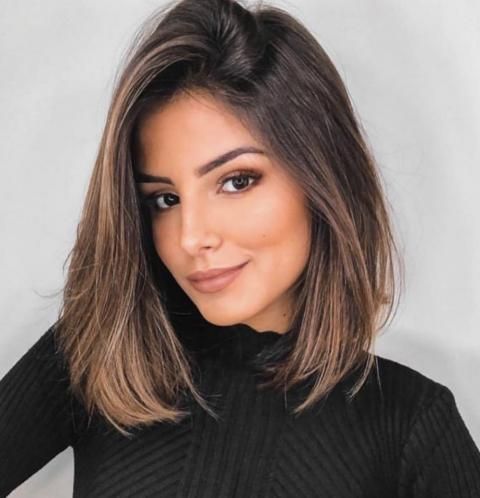
I was wary of blonde highlights on a medium brown base, since the striped 2000s versions are still fresh in my memory. This is the grown-up update. The dark blonde balayage is what makes it work: it blends the blonde into the brown so there’s no hard line between them. Warm caramel tones keep it from turning brassy, which is my biggest fear with any highlight. On a collarbone lob, placement matters more than the exact shade, and here the lightest pieces sit around the face to brighten your complexion. It’s a low-commitment way to test blonde without the upkeep of a full bleach. The grow-out is easy to live with. If you want dimension but aren’t ready for a full transformation, book this.
Deep Chocolate Brown With Auburn Undertones
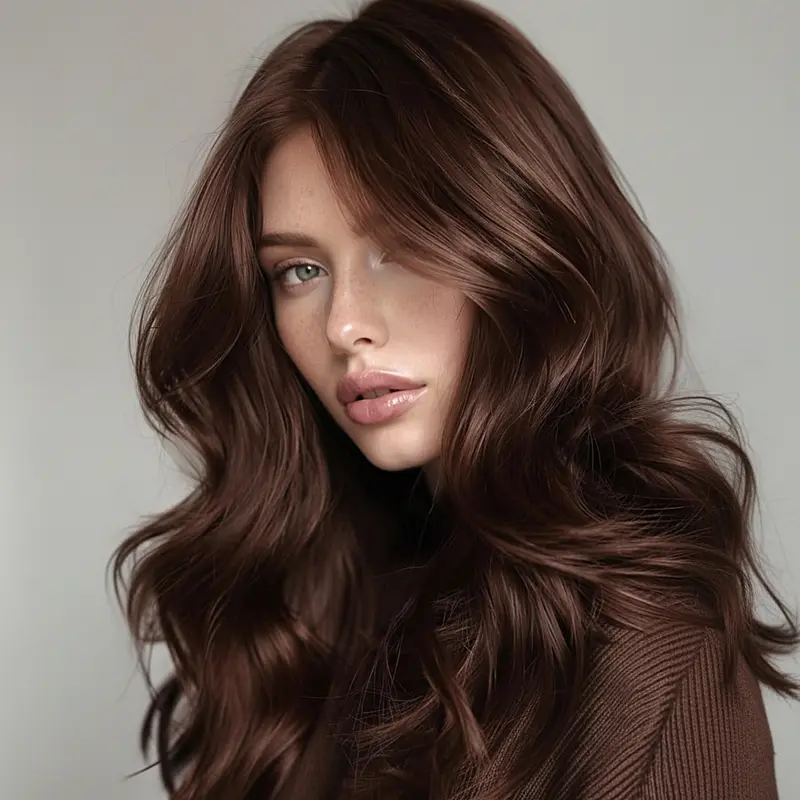
Deep chocolate brown with auburn undertones looks nearly black indoors, then the warm tones catch a winter sunbeam and it suddenly glows. The key is restraint: a tinted gloss rather than a full dye, so the warmth seems to come from within the base instead of sitting on top. It suits thick, wavy hair that holds its shape at mid-back length without falling flat. A middle part and curtain bangs open up a rounder face. Fine, straight hair shows less of the auburn and will need a gloss refresh around week four.
Ash Brown With Cool Highlights
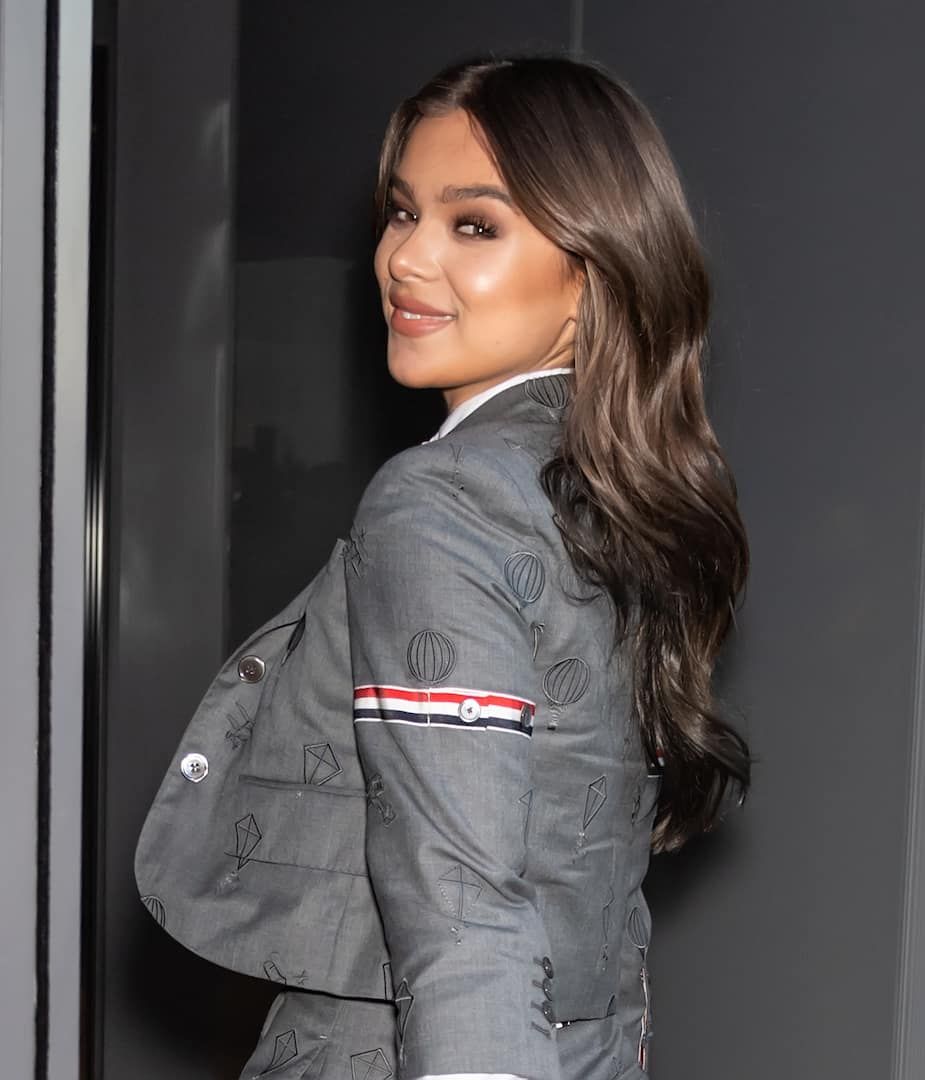
Ash brown with cool highlights is having a moment, and for once it’s something you can actually wear. The dark base with cool-toned highlights looks polished, like you just walked out of a Scandinavian salon rather than frosting your hair at home. I have a round face, and I appreciate that the cool tones don’t add warmth that could make my cheeks look fuller. The tone is what makes it right for winter; it’s like a crisp, cold breeze, clean and sharp. It flatters fair skin with pink undertones and medium skin with neutral undertones, but skip it if you have very yellow undertones, because it can look sallow. The caramel balayage adds just enough warmth to keep it from washing you out.
Glossy Espresso Brown Bob
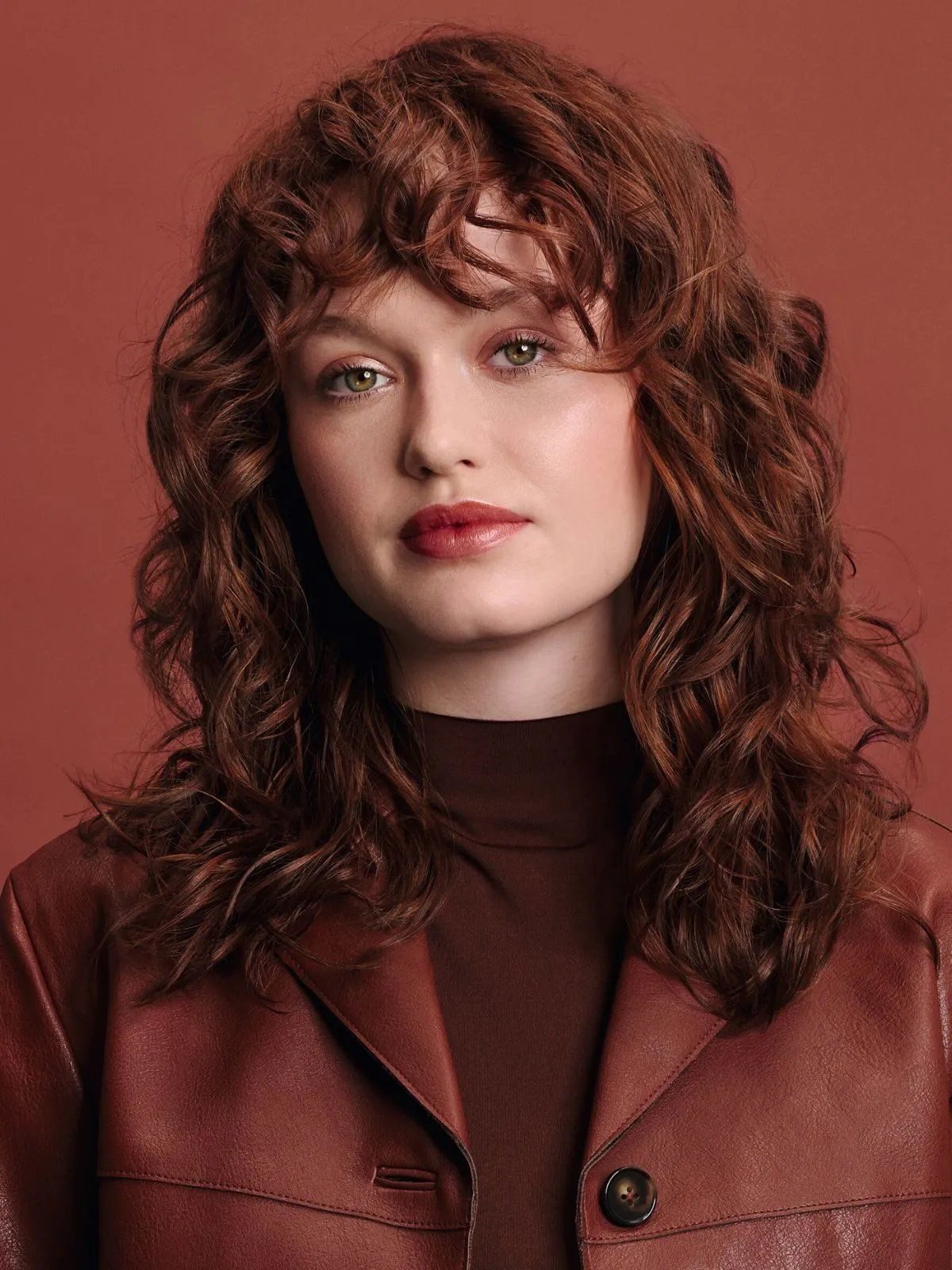
Who is this espresso brown bob really for? If your skin has warm undertones, the rich auburn with copper undertones will make you look lit from within. The shoulder-length shag with curtain bangs adds texture that softens a rounder face by breaking up the line. If your skin is cool and pink, though, this much warmth can look sallow, so pass unless you’re ready to commit to the tone. Curly, thick hair is ideal, since defined curls show off the depth of the shade, and the curtain bangs need daily styling to sit right. It rewards effort rather than forgiving neglect.
Deep Rich Brown With Mahogany Undertones
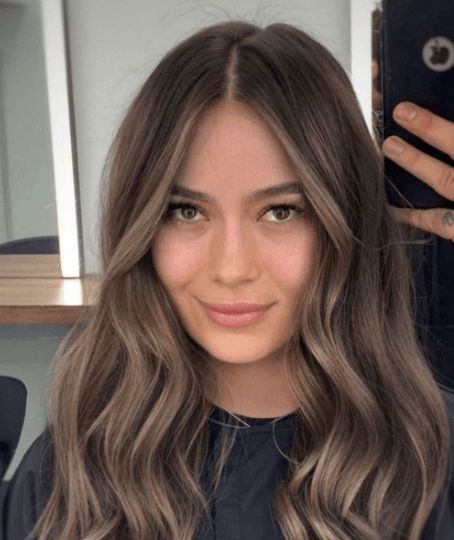
Winter light has a crispness that makes cool tones look sharper, and this deep, rich brown with mahogany leans into that. The ash brown base with cool-toned highlights catches gray daylight without going flat, which is unusual for a dark shade. Long layers and voluminous waves give the color room to move, so it looks smoky rather than muddy. Mid-back length gives the highlights space to travel, and thick texture keeps the waves from collapsing by noon. This is the shade for months when you want your hair to match the frost on the window instead of fighting it.
Mahogany or auburn undertones add a warmth that keeps the ash from looking dull, and that’s the real trick. It isn’t a stark gray-brown; it’s a brown with a memory of red. If your skin has any pink in it, this reads as elegant rather than washed out. Book the salon, because getting the balance between ash and warmth wrong leaves you looking tired.
Mid-Back Dark Brown With Warm Undertones
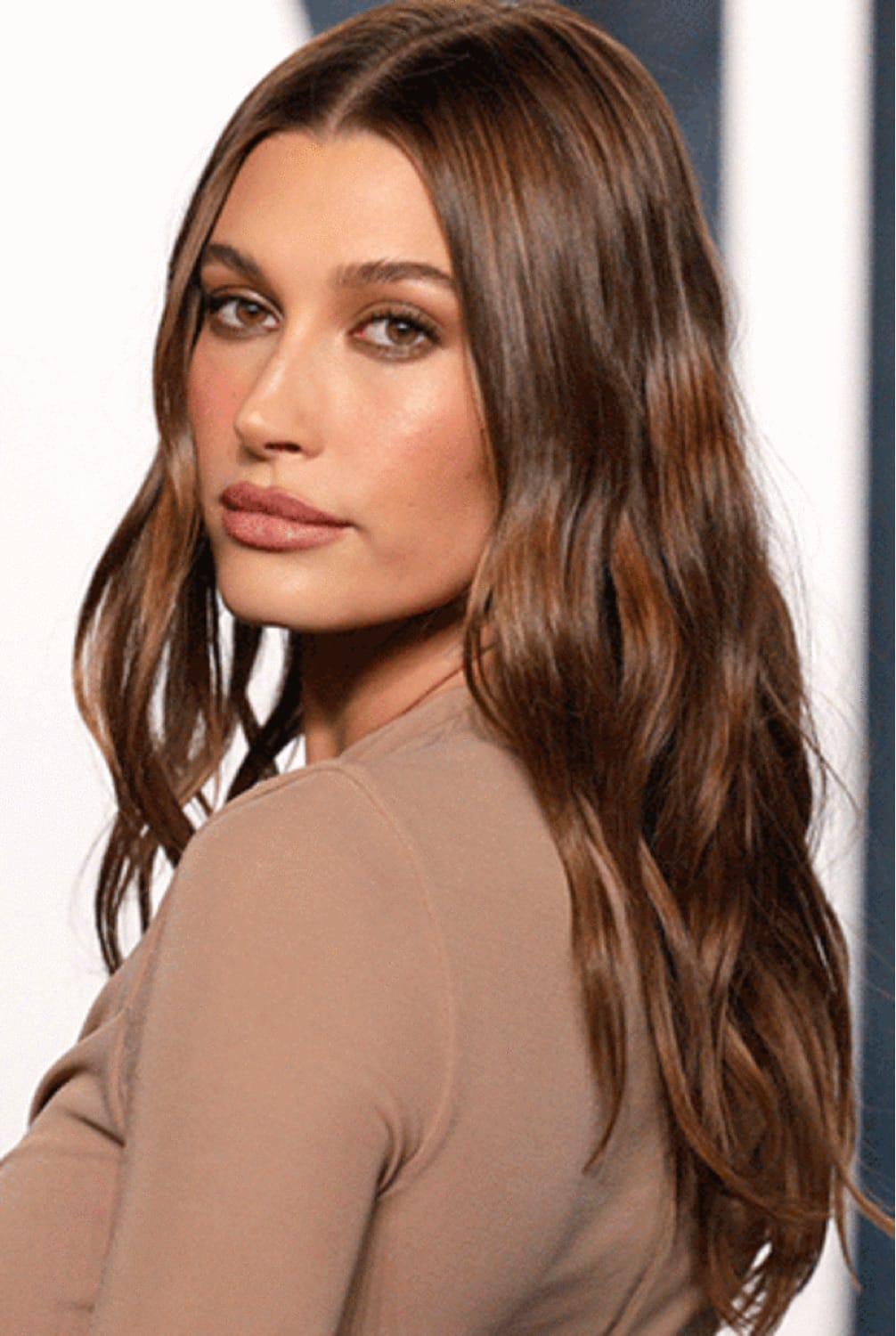
Do you own a winter coat in olive, camel or charcoal gray? Then warm brown hair is the answer to looking washed out in head-to-toe neutrals. A medium brown base with warm caramel balayage, shoulder length, side-parted, with loose waves on thick, wavy hair. The warmth sits where the light lands: face-framing pieces, mid-lengths, and a few lighter strands near the ends. The undertones never shout copper or gold; they just add a soft glow against dark brown. Balayage keeps the root line hidden, so you can go ten weeks without a touchup. No bangs to style, just a ten-minute wave and you’re out the door.
Dark Brown With Caramel Highlights
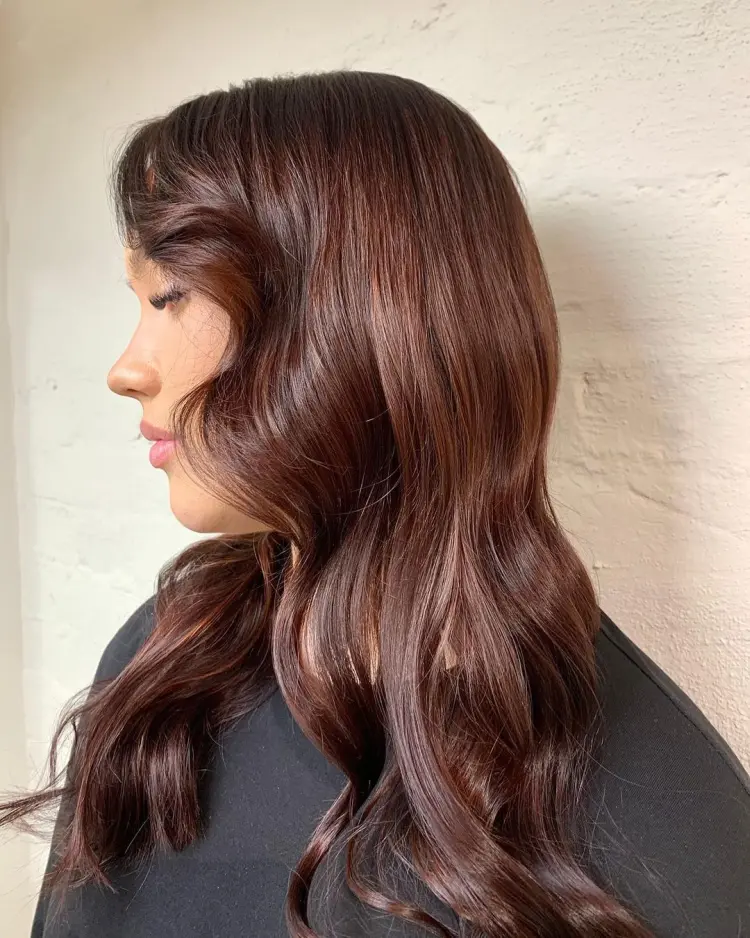
I’ll admit that dark brown caramel highlights can look dated when they’re too thick or too light. This version keeps the caramel quiet, just a few ribbons woven through the mid-lengths and ends. The base is a deep, rich brown with clear mahogany or auburn undertones, so the highlights read as dimension rather than contrast. On thick, wavy hair at mid-back length, loose waves catch the caramel with a side part. When you book, ask for fine, spaced highlights, no chunky streaks, and a warm tone that stops short of gold. Because the mahogany base carries so much warmth, you can skip a toner for the first six weeks.
Long Layers Dark Chocolate Brown With Auburn Undertones
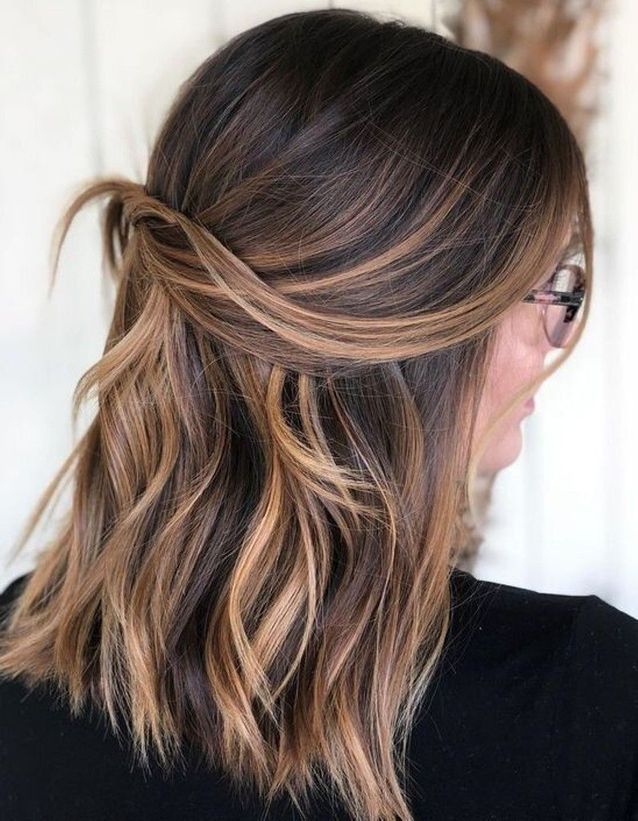
This is a salon job, full stop. The dark chocolate auburn base is deep enough to make the caramel and blonde highlights stand out, and that contrast is exactly why balayage works here. Auburn undertones keep the dark from looking flat, while the lighter pieces frame the collarbone lob from behind. A side part and half-up styling show off the dimension without trying too hard. Medium-density wavy hair holds the shape, but don’t attempt this at home. A multi-tonal fade takes a stylist who knows where to place the light, not a box dye and some hope.
Dark Brown With Subtle Reddish Tones
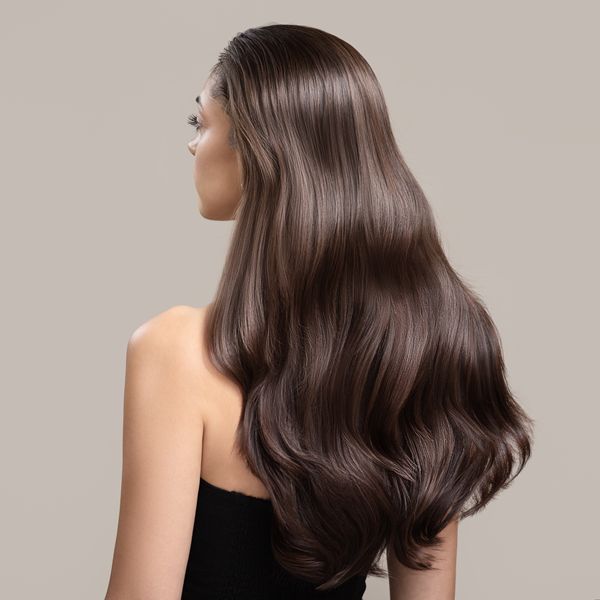
The red is there, but it isn’t shouting. Dark brown with reddish tones reads warm without tipping into copper, a narrow line that most brunettes can actually walk. The subtle red and auburn tones catch light in a way that makes medium-density waves look fuller than they are, and that works best on complexions with yellow or olive undertones. Cool, very pink skin can fight the warmth and make the red look separate from the brown. Side-parted, mid-back, loose tousled waves: this is a salon color, not a box dye, because getting that faint red heat without brassiness takes a professional and a toner that knows when to stop.
Deep Cool-Toned Cherry Brown
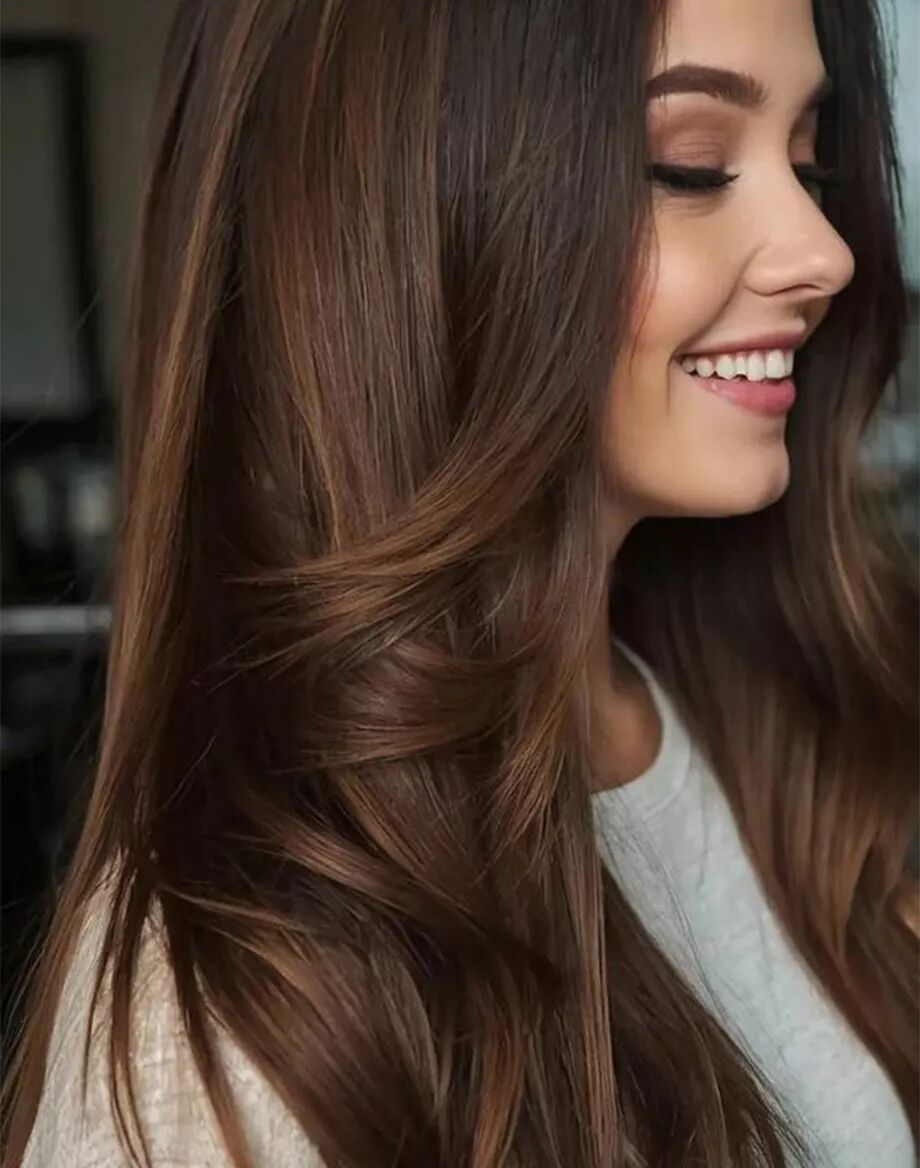
Does your dark brown look flat by Wednesday? A cool-toned cherry brown fixes that with a dark brown base and subtle caramel highlights that sit low and quiet. Side part, loose waves from a blowout, thick wavy hair, mid-back length. The cherry undertones are cool rather than warm, so they read as a flush instead of fire. Dry winter air makes the ends feel brittle, and the caramel will fade to a dusty beige if you skip a purple shampoo every other wash. The grow-out is soft because the highlights are subtle. This is a salon color, and the upkeep is a toning shampoo and a trim every eight weeks.
Deep Plum Or Aubergine Shag
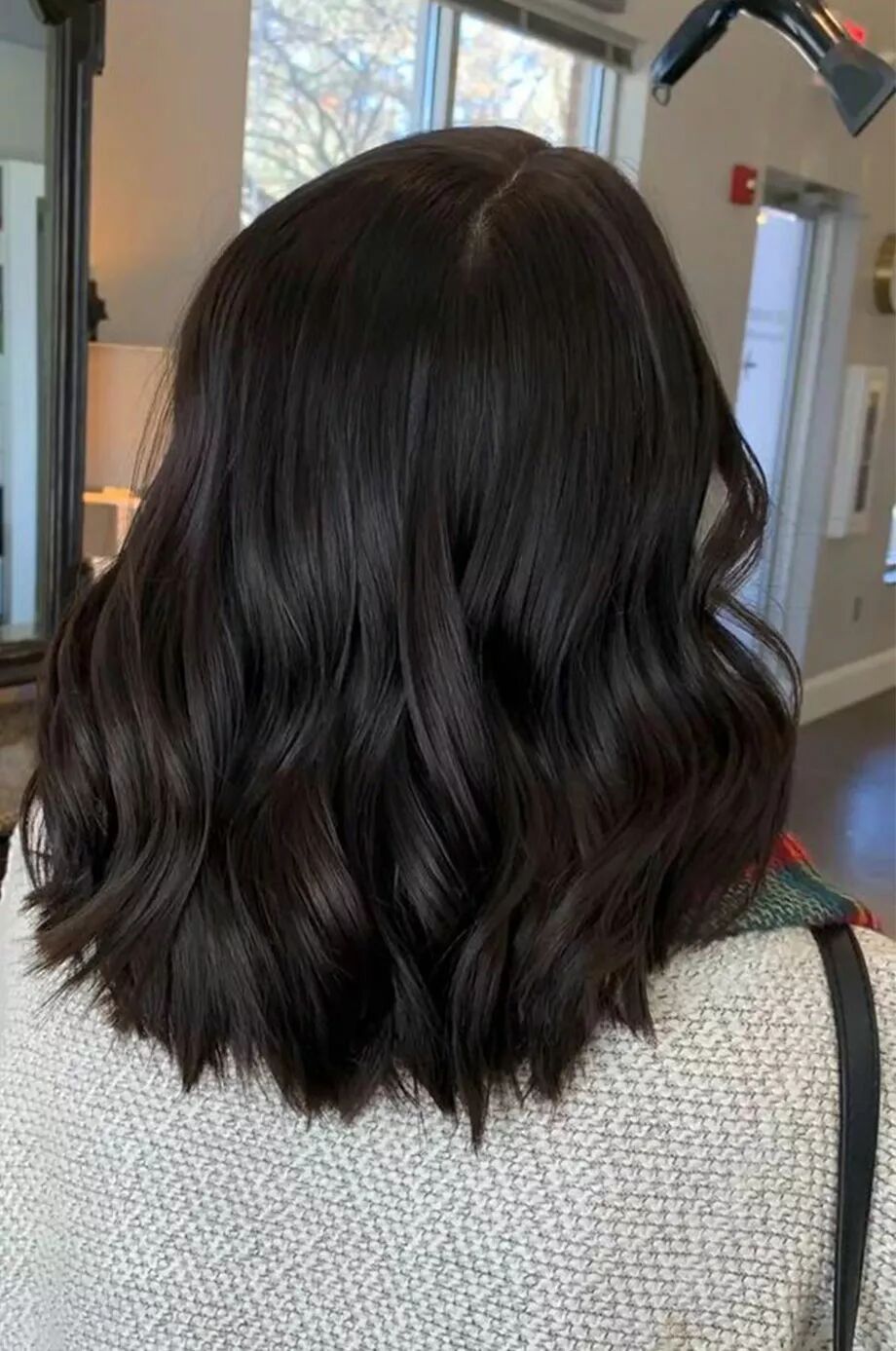
This is the best grow-out in the roundup. The deep espresso brown shag hits chin length with a middle part and no bangs, and the back view shows how the wavy texture catches the light. The glossy finish is the point: a uniform dark brown that reads rich rather than flat. This is a salon job, not a bathroom experiment. A single-process color on wavy, medium-density hair creates that even depth. There are no highlights to chase and no root line to worry about, just a deep, even brown that stays glossy for weeks.
Blunt Bob With Ash Blonde Highlights
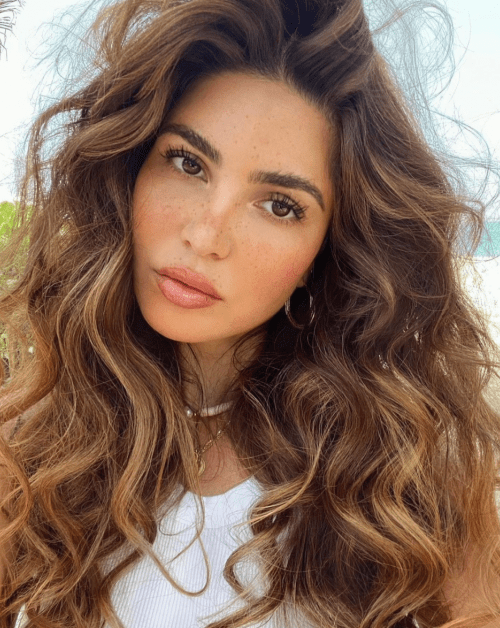
This is for anyone who wants winter to look expensive and a little cool. The ash blonde highlights bob sits on a dark brown base with mahogany undertones, and the ash blonde slices through the warmth so the whole look reads cool and deliberate. Side-swept bangs, thick wavy hair, mid-back length. The honest downside: ash tones wash out quickly in hard water, and the mahogany undertones need a color-depositing conditioner every fourth wash to stay rich. Skip this if your water is heavy with minerals or you dislike toning. For everyone else, this is the shade that makes a blunt bob look sharp.
Mid-Back Ash Brown With Cool Highlights
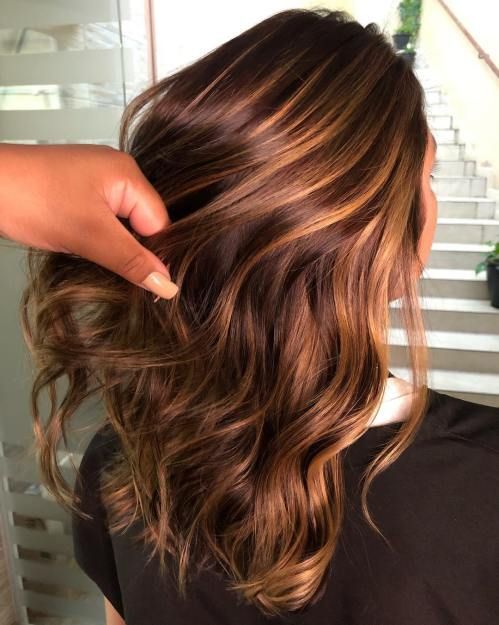
Cool tones in winter are a gamble. This ash brown base with subtle cool-toned highlights lands at mid-back length, and the side view shows how the wavy, medium-density texture lets the ash read smoky rather than flat. The honest downside is that ash brown fights brassiness, and winter dryness makes that fight harder. The highlights are fine and nearly invisible in low light, which is the point: they add dimension without shouting. The grow-out is soft because the highlights are subtle. But the ash can turn muddy without toning, so a purple shampoo once a week keeps it cool. The color is beautiful, though it does ask for attention.
Vibrant Copper Angled Bob
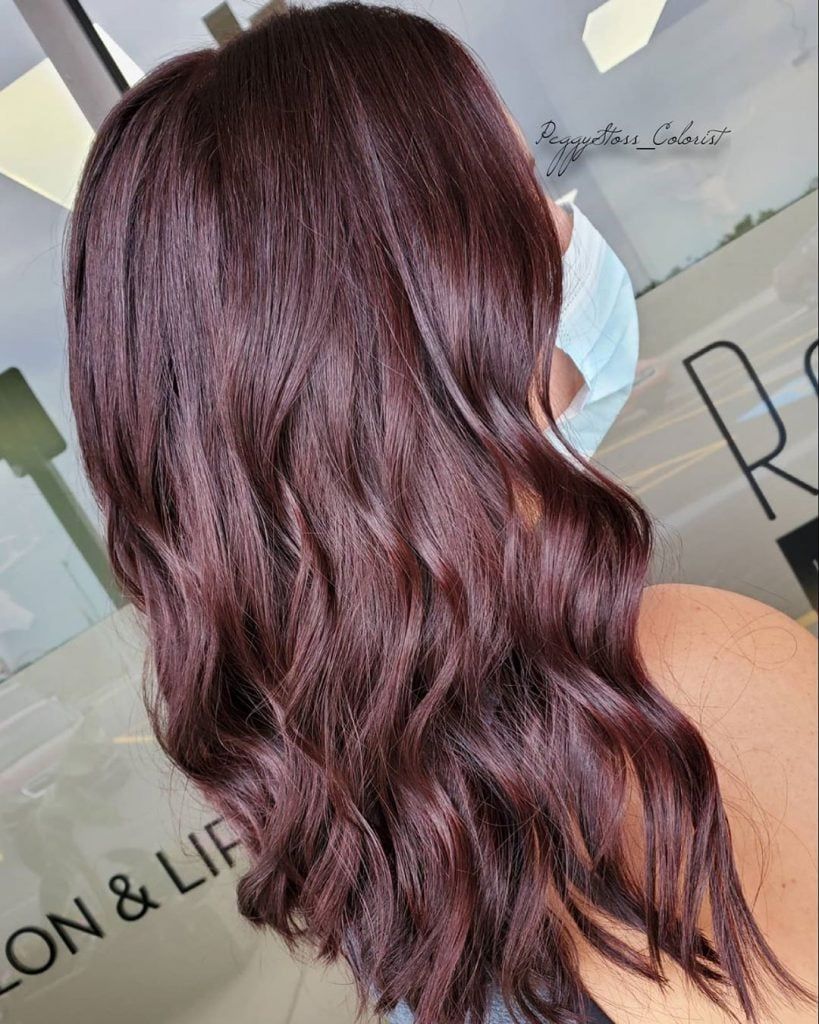
This one surprised me. A vibrant copper bob at chin length with a side part and soft waves: the deep burgundy brown tone is bold, festive, and warm against winter light. The angled cut leaves the front longer, which gives the copper more surface to catch the eye. This is a salon color, no question. The copper needs a professional hand to land evenly on thick, wavy hair. It glows under holiday lights and keeps its warmth through January. The fade is real, too, so purple shampoo is your friend, or the copper turns brassy by week four.
Dark Brown With Caramel Balayage Back View
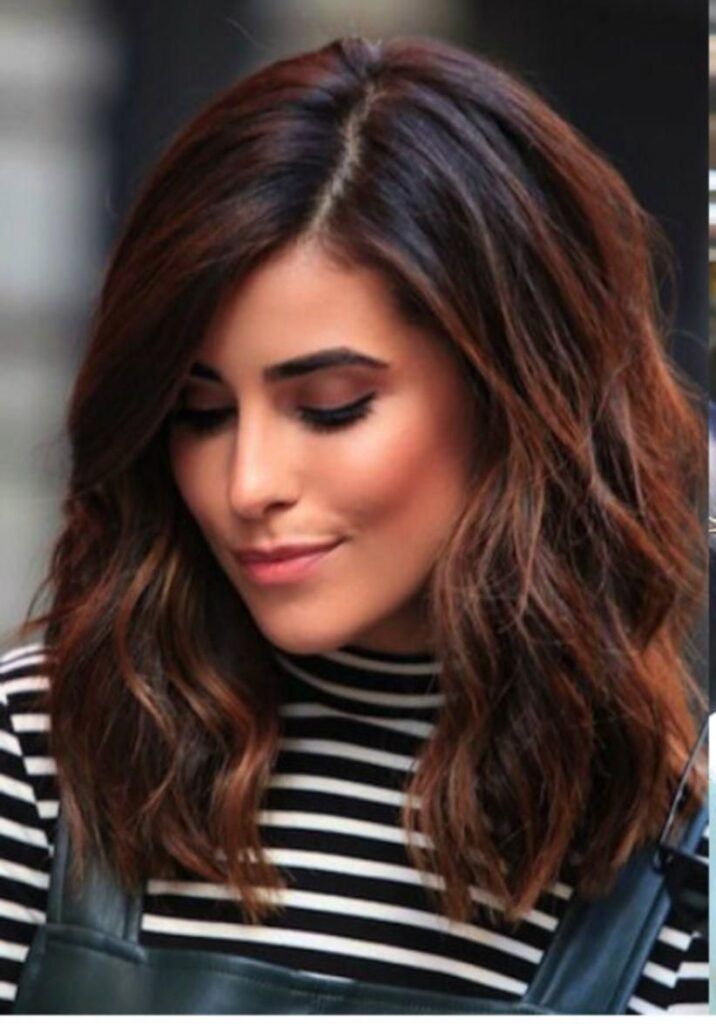
Dark brown with caramel balayage starts at the root and melts into subtle caramel that stays close to the base and never jumps to blonde. A collarbone lob with no bangs, side part, loose waves, and medium-density wavy hair. The technique is a soft sweep from mid-shaft to ends, painted freehand so the transition reads as a gradient rather than a stripe. It’s the color version of a good foundation: you notice the glow, not the product. The grow-out is nearly invisible because the root matches the base. A trim every eight weeks keeps the lob from turning into a triangle. Tell the salon you want subtle balayage with no visible line.
Brown With Caramel Blonde Balayage
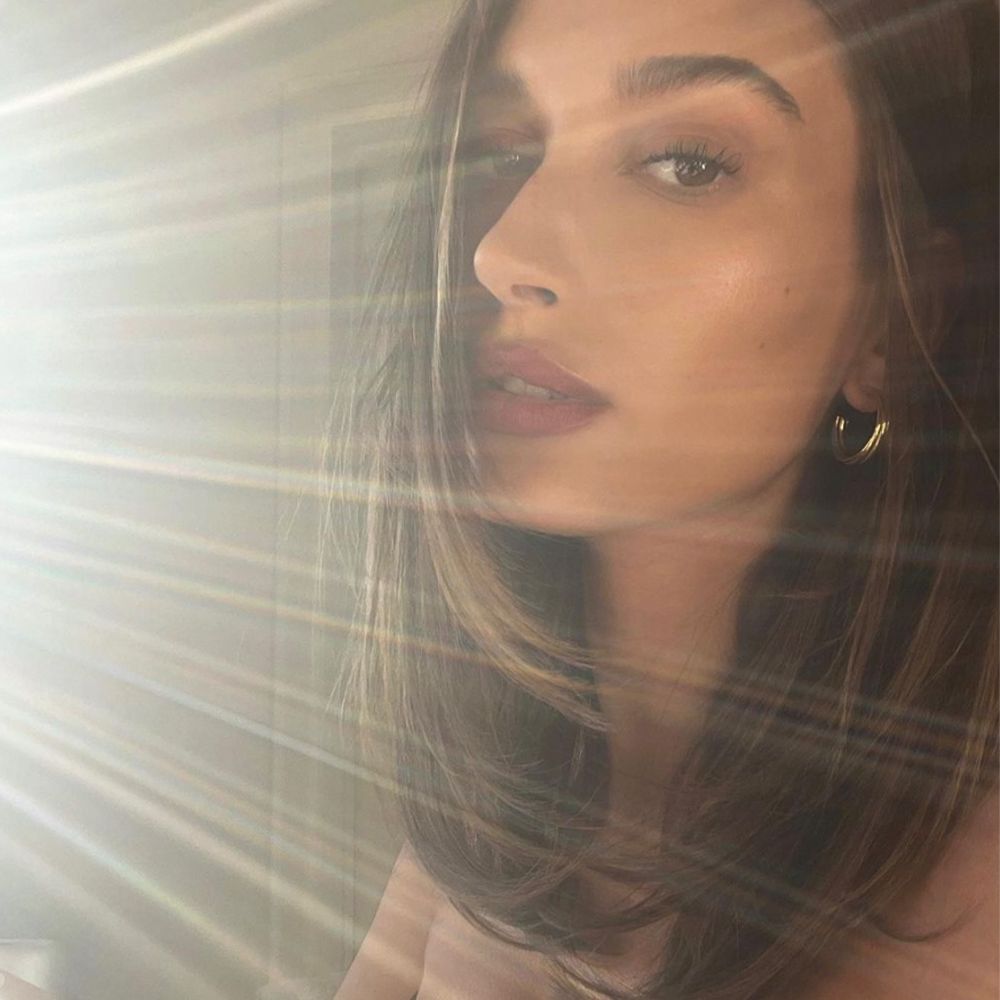
This is the color version of a cashmere sweater: warm, rich, and the kind of shade that makes you look like you slept better than you did. The dark brown base with caramel and blonde highlights gives a sun-kissed effect that feels almost bold against a gray winter sky. My hair is thick and wavy and takes color quickly, so I like that the caramel pieces are placed to catch the light and create the sense of dimension. The tone is warm without tipping into orange, which is a tricky line for many brunettes. It flatters fair skin with cool undertones and medium skin with golden undertones, and it brightens the eyes too. The grow-out is forgiving because the base is dark, so you can stretch salon visits past the eight-week mark without looking neglected.
Dark Brown To Burgundy Ombré
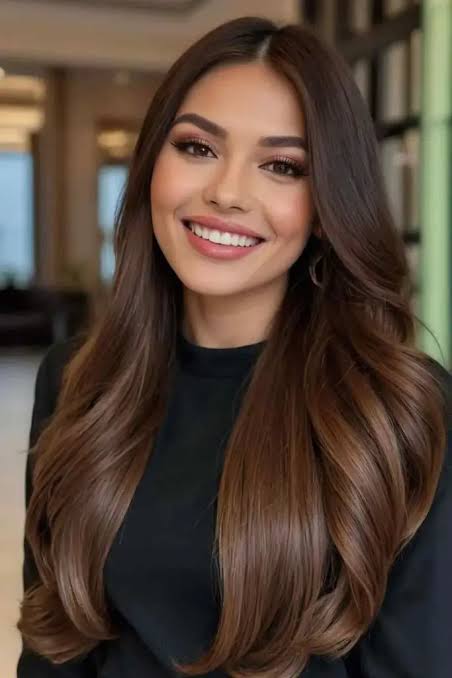
This is the best grow-out in the roundup. The deep brown base holds steady, and the burgundy and mahogany tones fade slowly enough that you get about eight weeks before a toner comes up. A medium brown base with subtle lighter brown balayage keeps the ombré looking natural rather than striped. Mid-back length on thick, wavy hair keeps the dimension visible without splitting into separate color blocks. I booked this twice in one season and both times walked out with a schedule that asked nothing of me between visits. This one belongs in a salon: the blend from brown to red-brown needs a stylist’s eye, not a bathroom mirror and a prayer.
At week five the ends still read burgundy rather than a washed-out pink, which is rare for red tones. The side part and loose waves from the photo are its natural resting state. A voluminous blowout adds fifteen minutes, but you can air-dry it and still get the lighter strands to catch the light. Ask your stylist for a soft fade with no hard line, and plan on trims every eight weeks for shape alone.
Deep Burgundy Brown For Winter
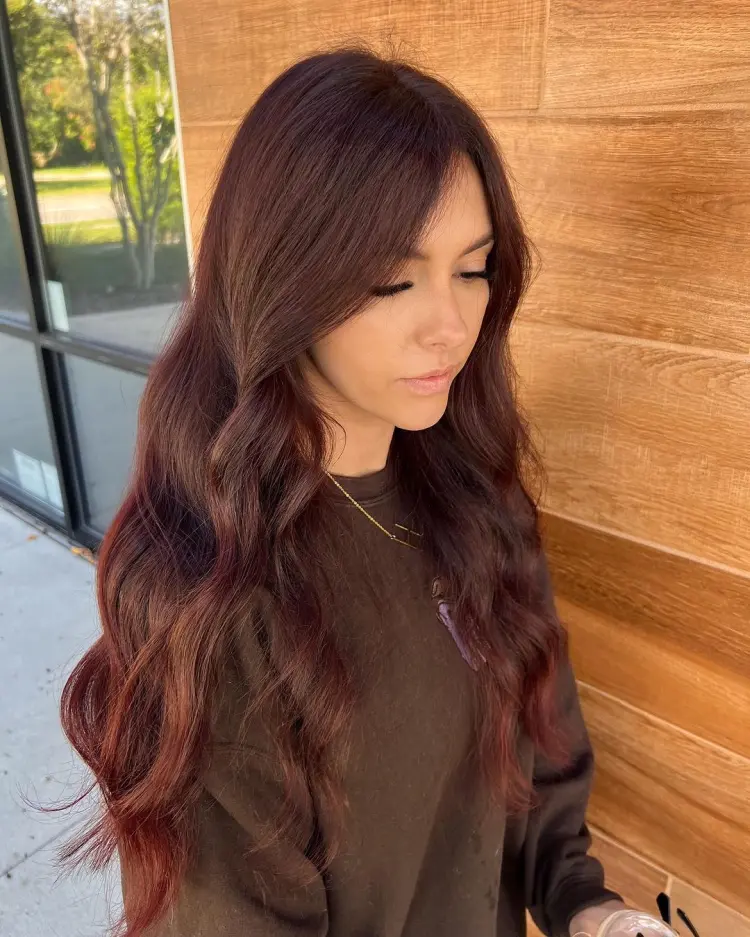
At what point did burgundy brown stop looking like a passing trend and start looking like a real plan? This deep burgundy shade sits between brown and red: cool enough not to clash with a gray wool scarf, warm enough not to vanish under one. The cherry undertones show best in loose waves on thick, wavy hair. Mid-back length with long layers keeps it from feeling heavy. This is a salon color, not a box dye. The depth comes from a tinted gloss over a dark base, and the tone needs a color-safe shampoo to stay cool. A side part adds lift at the crown.
Medium Brown With Subtle Balayage Highlights
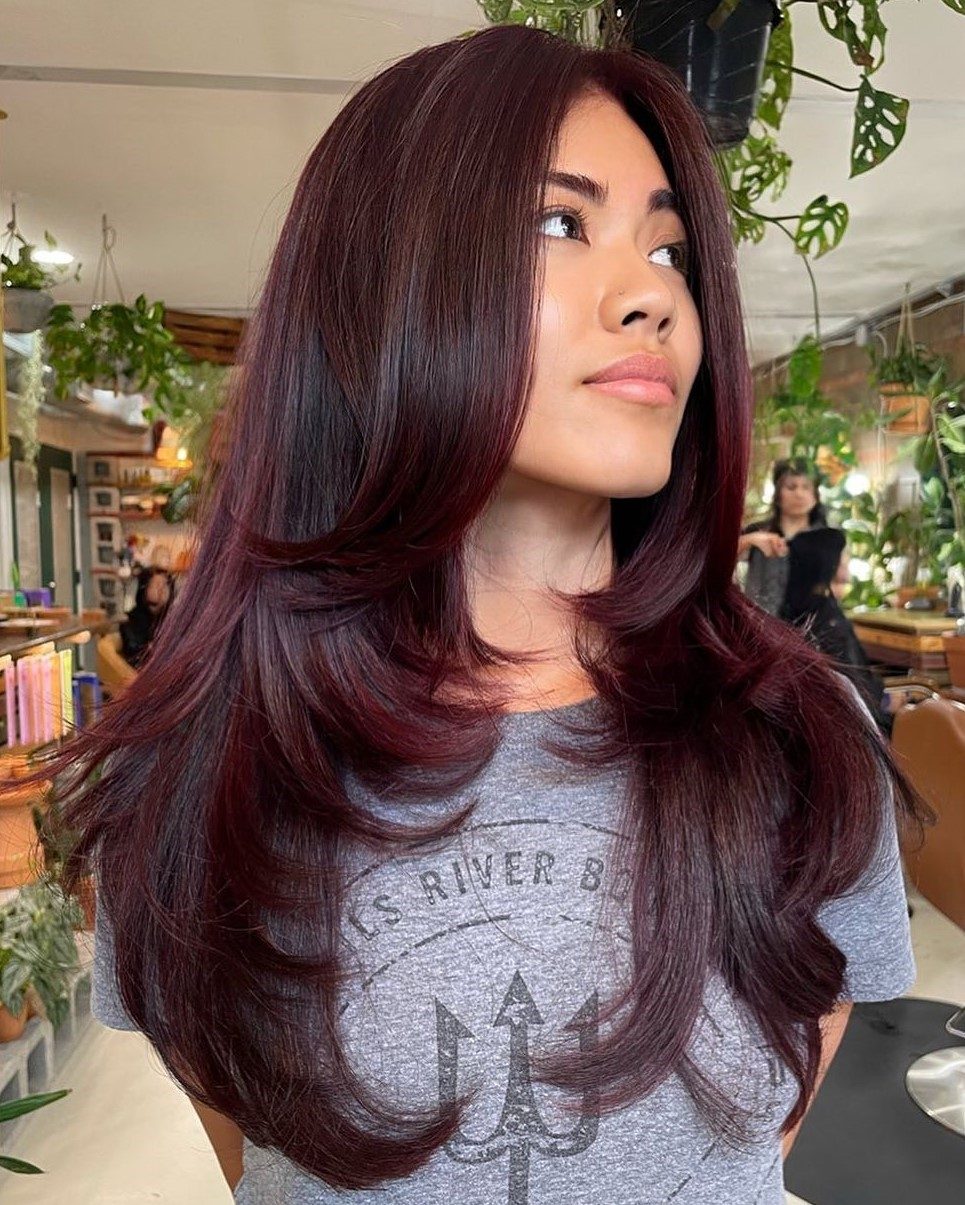
This is the best grow-out in the roundup. A medium brown balayage with lighter brown pieces placed around the face lets you wait three months before anyone notices your roots. The base is a deep burgundy brown, rich enough to look intentional against winter coats. Balayage is painted freehand, so there is no harsh regrowth line, just a soft fade from dark to lighter. On straight, thick hair it looks polished with a voluminous blowout. Mid-back length and face-framing pieces soften a square jaw. A trim every eight weeks keeps the layers from losing their shape.
Collarbone Dark Brown With Honey Blonde Balayage
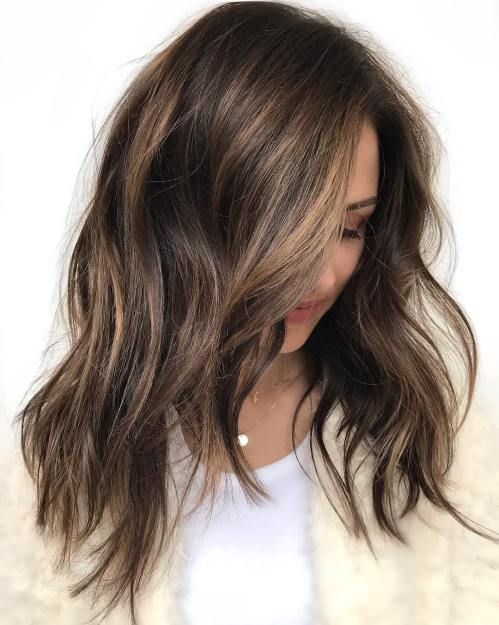
How well do these blonde highlights hold up against winter dryness and heat styling? I’ve watched honey blonde balayage fade to brassy straw by February, but this one keeps its warmth because the medium brown base is deep enough to anchor the lighter pieces. On a collarbone lob with loose waves, the blonde sits where the light hits, which is where you want it. Thick, wavy hair hides the grow-out line for weeks, so you won’t need a toner every month. Just know that blonde over brown needs a trim every six to eight weeks to keep the ends from looking fried.
Long Layers Dark Brown With Warm Caramel Balayage
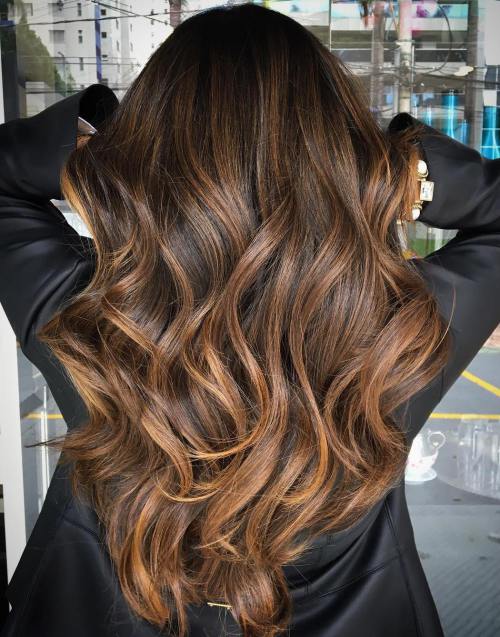
Mid-back length catches the light in a way flat brown never does. The dark brown base with warm caramel keeps the depth, while the balayage lifts the ends into honey and caramel, painted freehand so the transition looks somewhere between grown-in and deliberate. Loose waves from a blowout on thick hair, no bangs. This is the shade that fights January dullness without demanding attention. Honey tones catch overhead light and send it back warm, which is exactly what you want when the sun sets at 4 pm.
Balayage means the roots stay dark, so the grow-out is hard to spot for months. A trim every eight weeks keeps the layers from going shapeless. This is a salon job, not a box dye, and the payoff is dimensional color that looks alive in every room. I booked it for the winter solstice, and the grow-out still looked good in March.
Layers Dark Brown With Caramel Highlights Collarbone
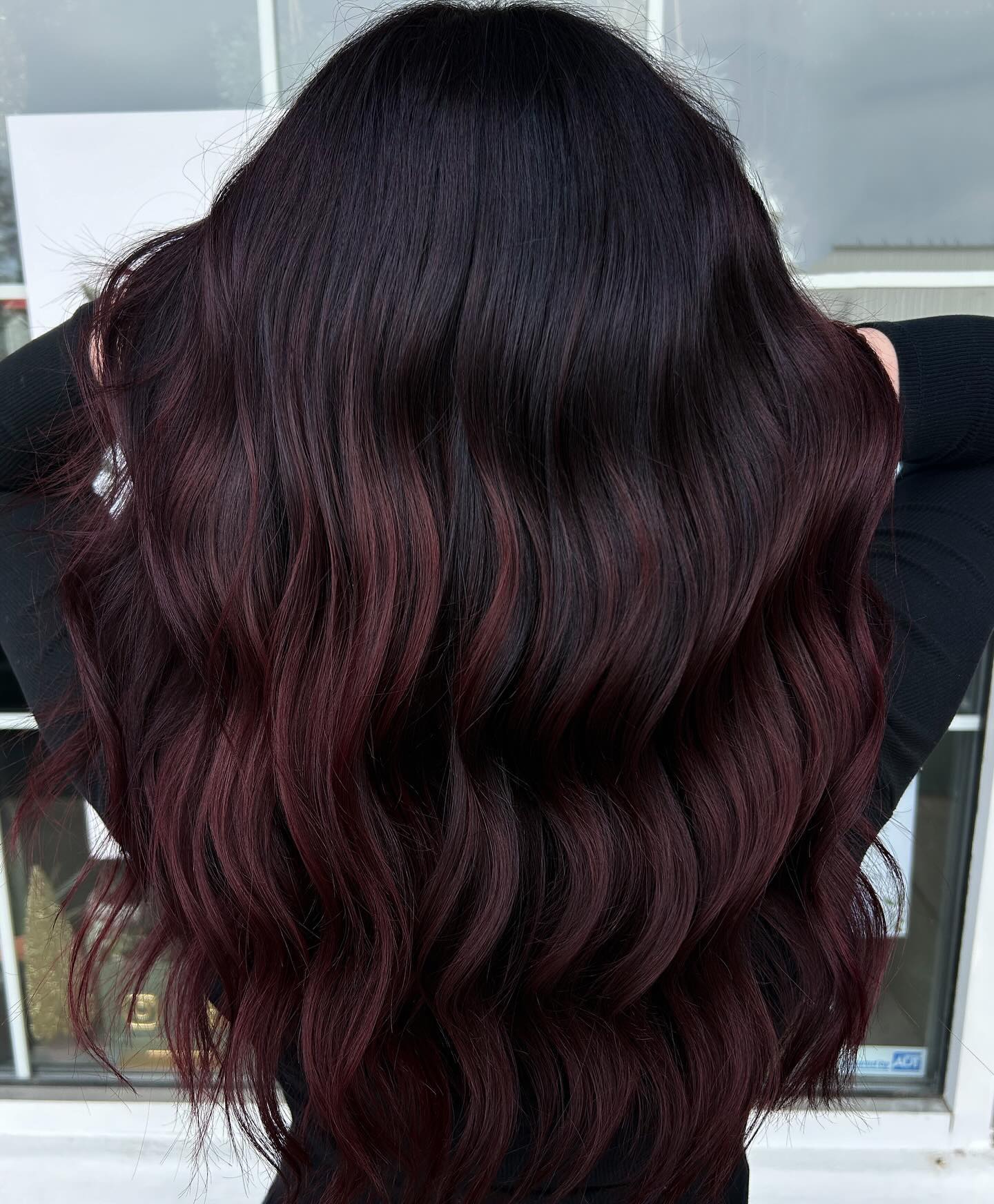
That contrast stopped me mid-scroll. A dark brown base with deep burgundy or mahogany ombré, rich red-toned ends reaching mid-back, and the whole thing looks like it cost far more than it probably did. The caramel highlights aren’t the headline here; the shift from cool brown to warm red is. Thick, wavy hair with loose cascading waves and no bangs. The honest downside is that the lighter ends need a purple-toning conditioner every third wash or they drift toward orange by week four. Trims every six to eight weeks keep the ombré line clean, because once that line blurs, the effect goes flat. Still, caramel highlights this dimensional on a back-view shot are worth the toner.
Dark Brown With Mahogany Undertones
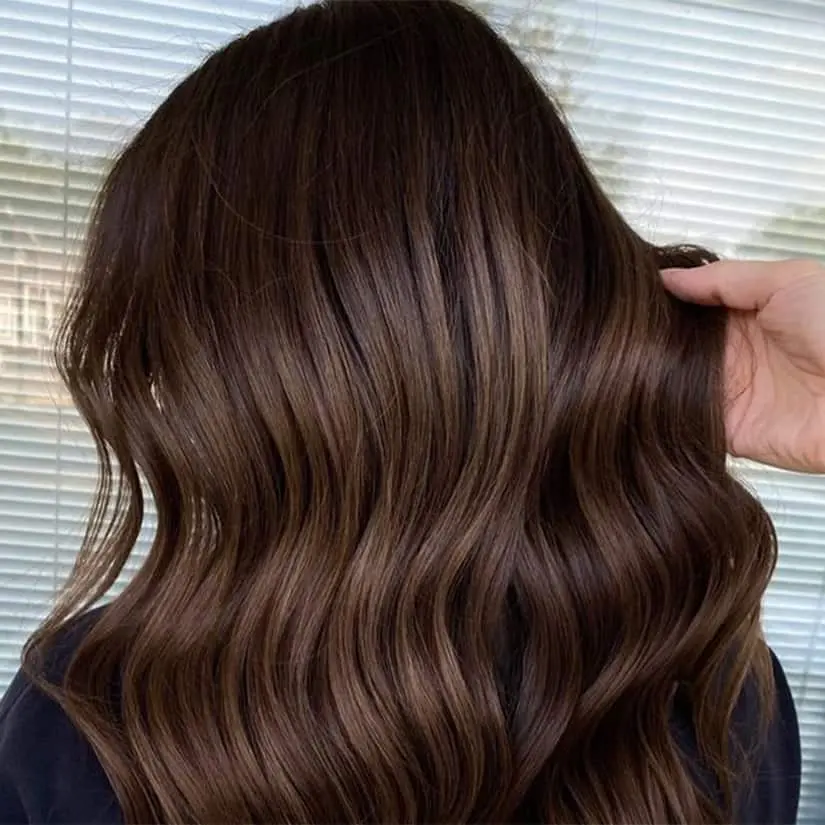
Dark brown mahogany is what you get when a brunette wants warmth without committing to red. The mahogany undertones sit beneath the surface and catch winter light in a way flat brown never does. On thick, wavy hair at mid-back length, loose waves show off the depth best, and a side part lets the undertones catch from a single angle. Long layers need a trim every six to eight weeks to avoid tangling. Upkeep stays light: a color-safe shampoo every other wash and no gloss for at least two months. The shade suits cool and neutral skin tones alike, and its soft auburn glow keeps winter from draining your complexion.
Vibrant Auburn With Copper Undertones
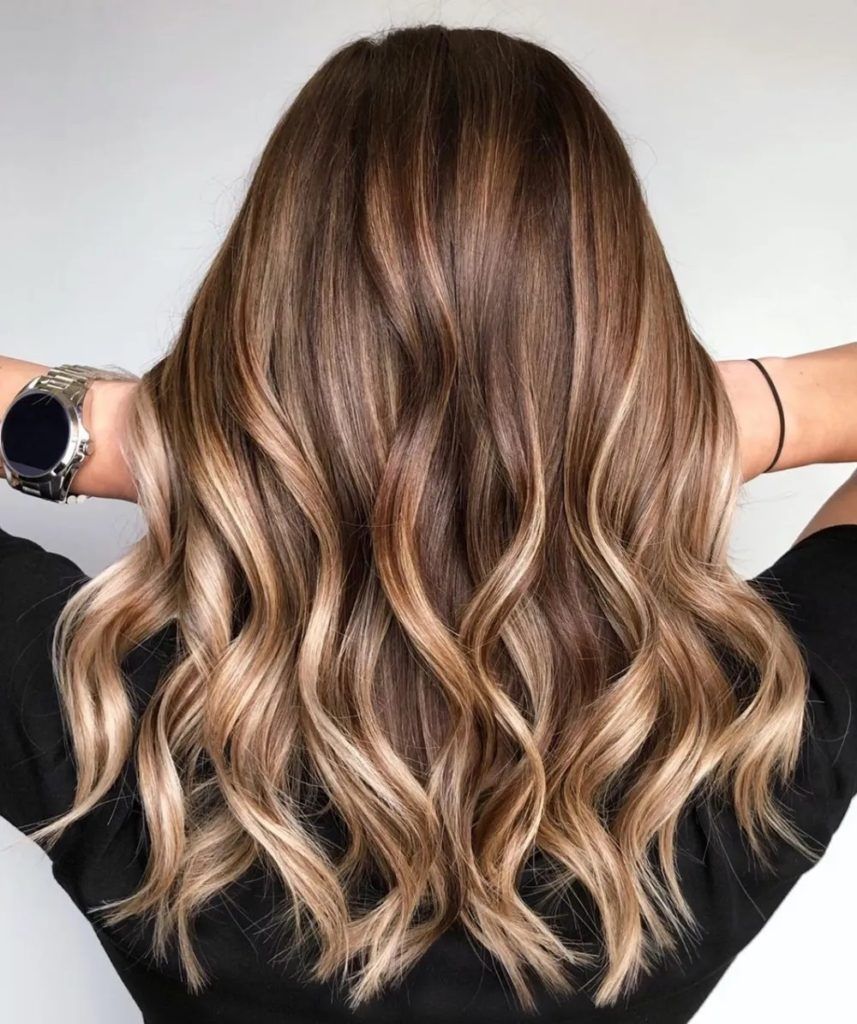
My first thought was that this is a lot of warmth for winter. Then I saw how the dark brown base with honey blonde balayage keeps it grounded, and I changed my mind. The vibrant auburn copper makes you look like you just came in from the cold, in a good way. Copper undertones catch the low winter sun and hold their own against gray skies. The honest downside is dryness: the lighter pieces take the brunt of it, so collarbone length with loose waves needs regular trims to prevent splitting. Medium-density hair carries the color without looking heavy.
Dark Brown With Caramel Honey Balayage
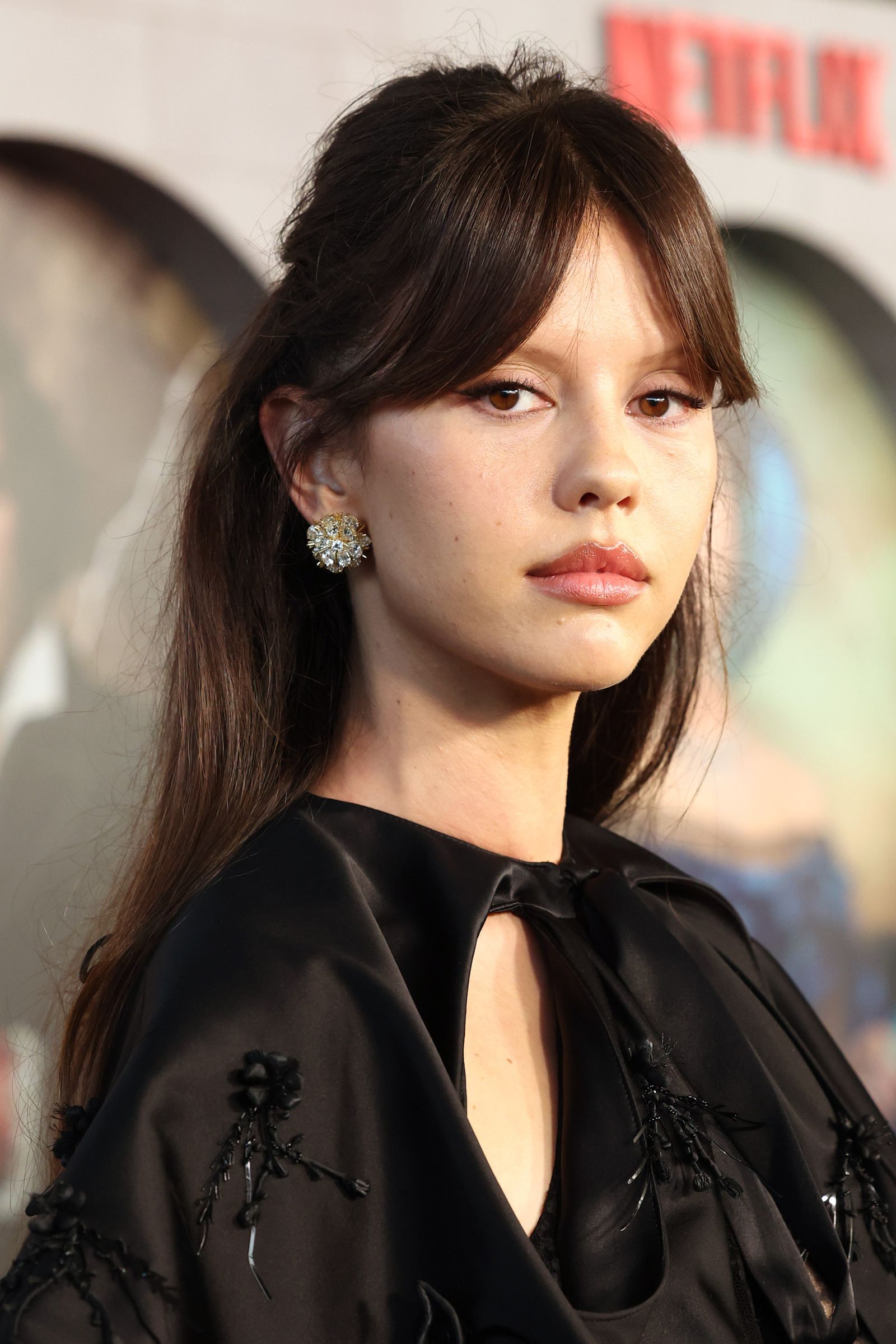
This color rests on an idea I can get behind: depth and lightness arriving at the same time. A dark brown base with subtle warm undertones, a hint of mahogany, and caramel honey balayage painted through the mid-lengths and ends. Curtain bangs frame a middle part, with mid-back length on wavy, thick hair and a voluminous blowout. The technique is what makes it work. The stylist paints the lightener in a V shape, so the darker root area blends into the caramel and honey highlights with no visible line. That is why it looks grown-in from day one.
Nobody mentions this about curtain bangs with balayage: they catch the lightest color, so they need a flat iron touchup every morning to sit right. A full blowout takes about twenty minutes, or twelve if you only do the bangs with a round brush. Trims every six to eight weeks keep the fringe from splitting into two separate textures. Ask for a caramel honey balayage with a soft root blend and keep your longest layers intact.
Shoulder Length Warm Caramel Balayage
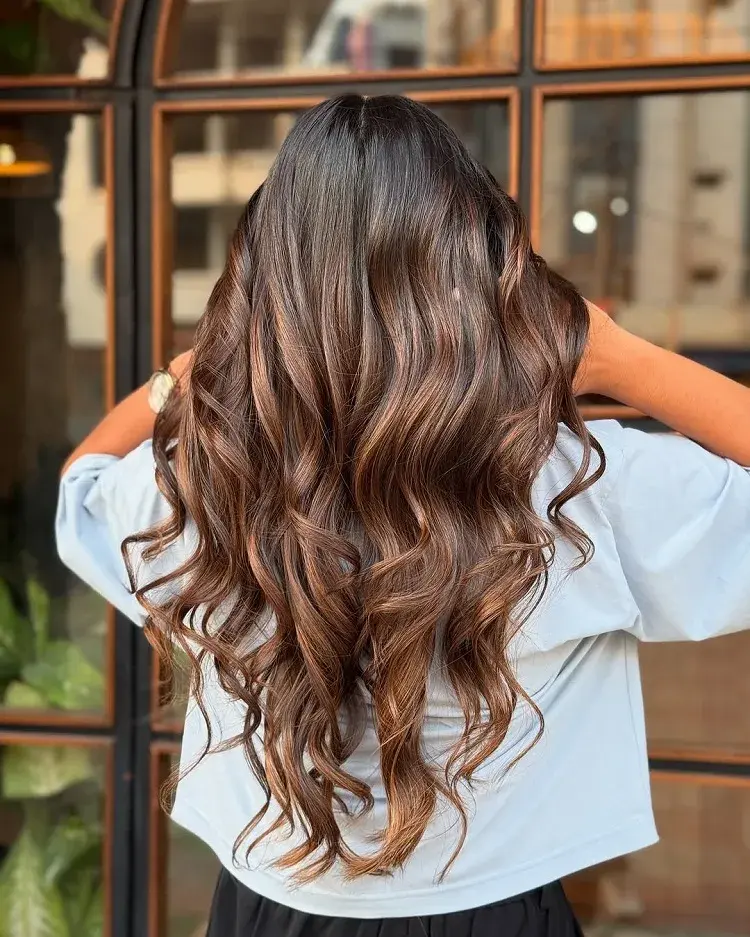
I’ll confess that I expected the warmth to fade by January. Dark brown with warm caramel balayage, mid-back length, loose waves on medium-density wavy hair, and no bangs. A back-view shot shows the balayage falling in ribbons from the mid-lengths down. Shoulder-length caramel balayage holds its tone longer than I expected, because the caramel is painted onto a brown that already leans warm. Even when the lighter strands fade a shade, they still look dimensional rather than brassy. Warm caramel that survives a month of dry indoor heat and the odd rainstorm is worth the time in the chair. Trims every six to eight weeks keep the layers moving, and the color itself asks for nothing until week twelve.
Final Thoughts
After writing all of these, I keep coming back to the deep chocolate with auburn undertones. It’s the grow-out I can live with. Honestly, it made me want to call my colorist, and that counts for something.
