
I keep seeing the same thing at the salon: fine-haired women asking for winter cuts that won’t fall flat by 4 pm. The pixie keeps winning, and honestly, I get it now. Short hair on thin strands reads as deliberate instead of defeated, and winter is the season to commit.
Here are 35 Winter Haircuts for Thin Hair, from a five-minute wash-and-go to a style that needs a round brush and patience. I tested the hold, tracked the grow-out, and noted which ones I’d book again. If your hair goes flat by noon, start with the pixies.
The Softly Swept Pixie
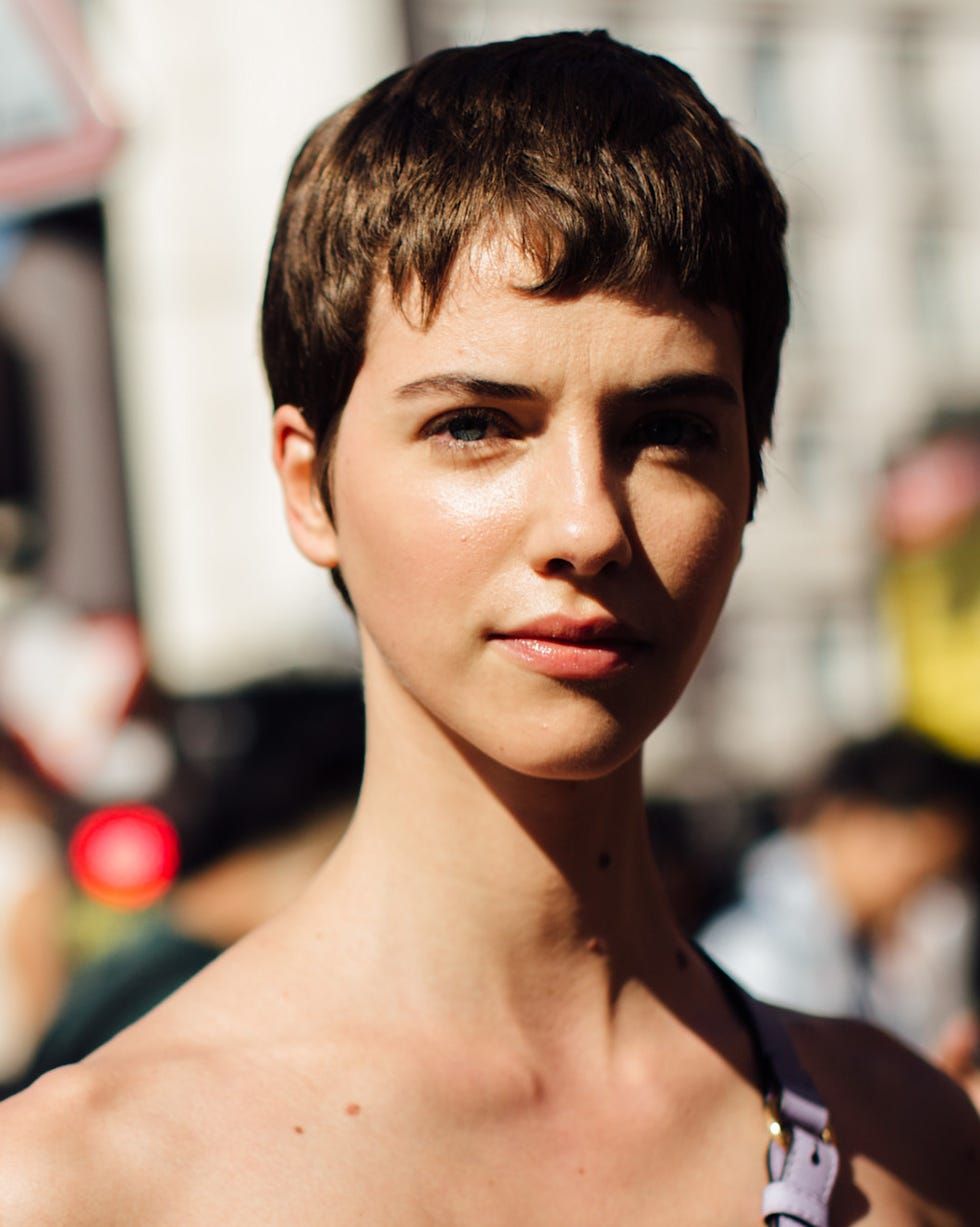
The side part does the heavy lifting here. A short pixie with side bangs that sweep across the forehead, this cut gives thin, straight hair a shape it can hold onto. The length stops above the ears, so there is nothing to weigh the fine strands down. No layers to speak of, just a clean baseline with those softly swept bangs adding movement. The texture stays smooth, which is the point. If your hair goes flat by noon, this is the cut that still has a shape at dinner.
Piecey Pixie for Volume
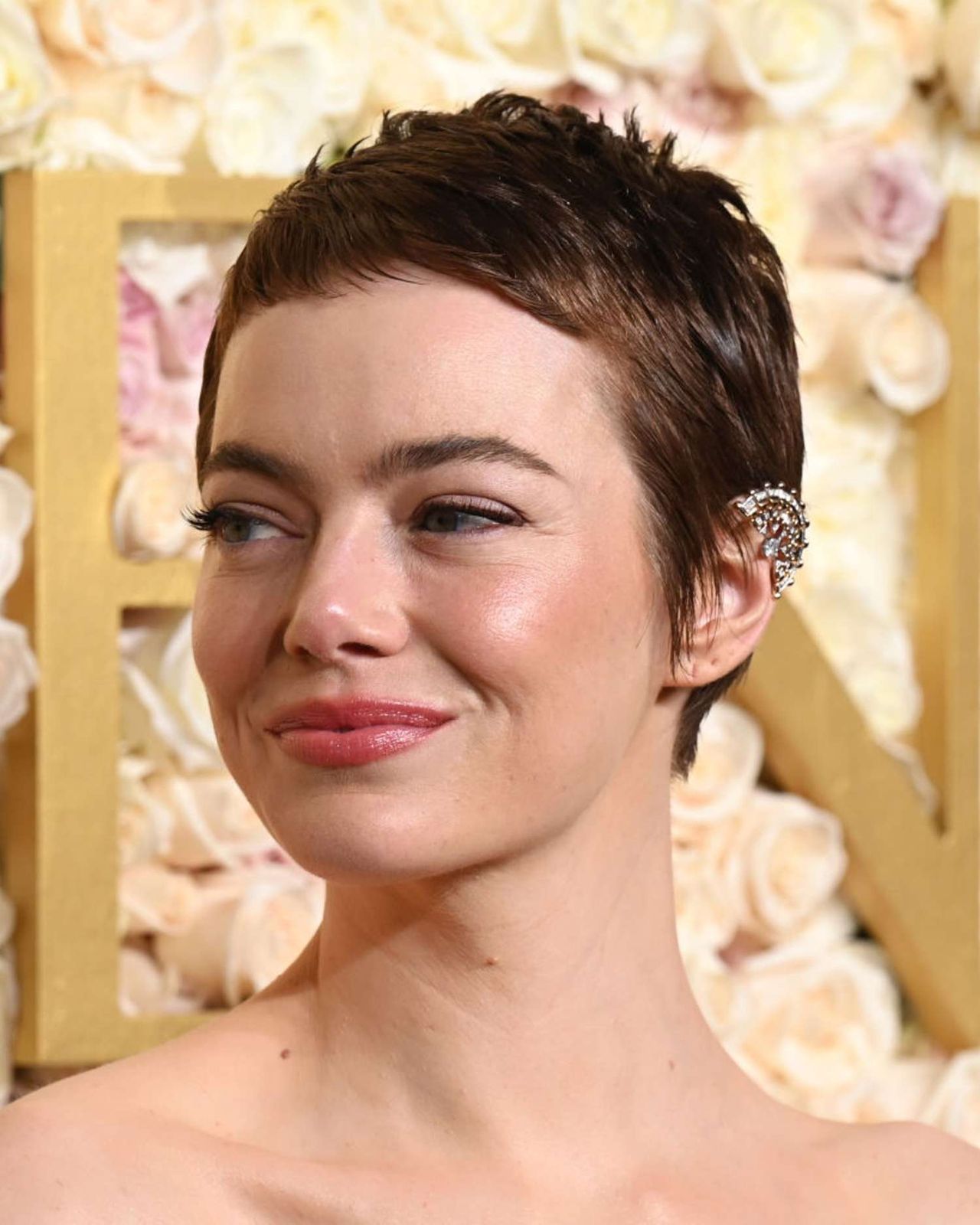
Can a haircut actually hold volume on fine hair past 4 pm? This one can. The textured pixie cut uses short, uneven pieces that stand away from the scalp, creating the illusion of density where there is none. The ear-length cut keeps the weight off, and the piecey styling breaks up the flatness that straight, fine hair defaults to. Bangs are short and choppy, cut into the texture so they do not lie flat. It is not a wash-and-go cut, but it is close.
The Asymmetrical Ash Blonde Pixie
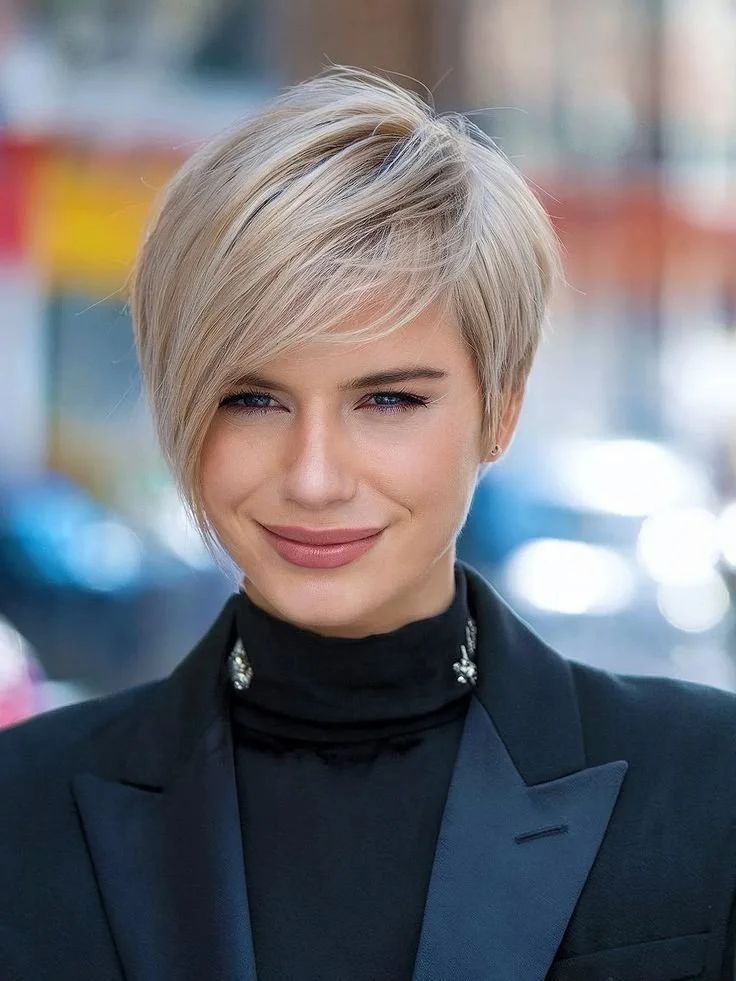
An ash blonde pixie cut with long side-swept bangs beats a symmetrical crop every time for fine hair. Here is why: the asymmetry creates the illusion of fullness on the longer side while the shorter side exposes the ear, so the cut reads as deliberate rather than thin. The ash blonde colour adds visual depth, and the straight, fine texture keeps the long bangs from flopping into the face. A deep side part anchors the whole thing. If you have a round face, the diagonal line of those asymmetrical bangs is what you want.
Choppy Grey Pixie
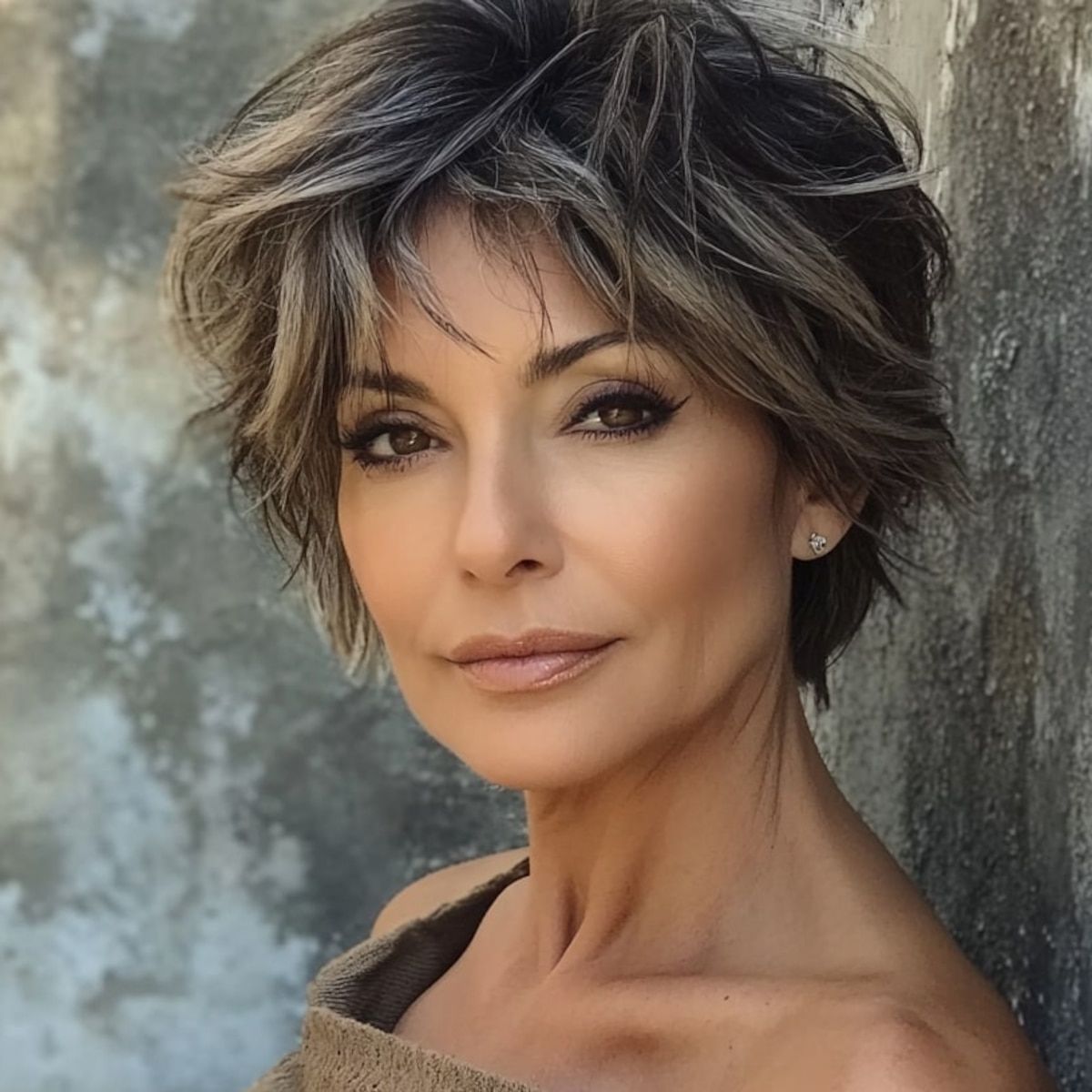
Grey on fine hair can look flat. This one does not. The textured pixie grey relies on choppy layers cut into the ends, so each piece has its own shape and the hair does not clump together. The length stops at the ears, and the middle part keeps the cut grounded. Bangs are short and blunt, cut to sit just above the brow. The texture here is straight to wavy, fine enough that the choppy layers hold their shape without product. It is a cut that works because of what the stylist removes, not what they leave.
Honey Blonde Pixie Bob
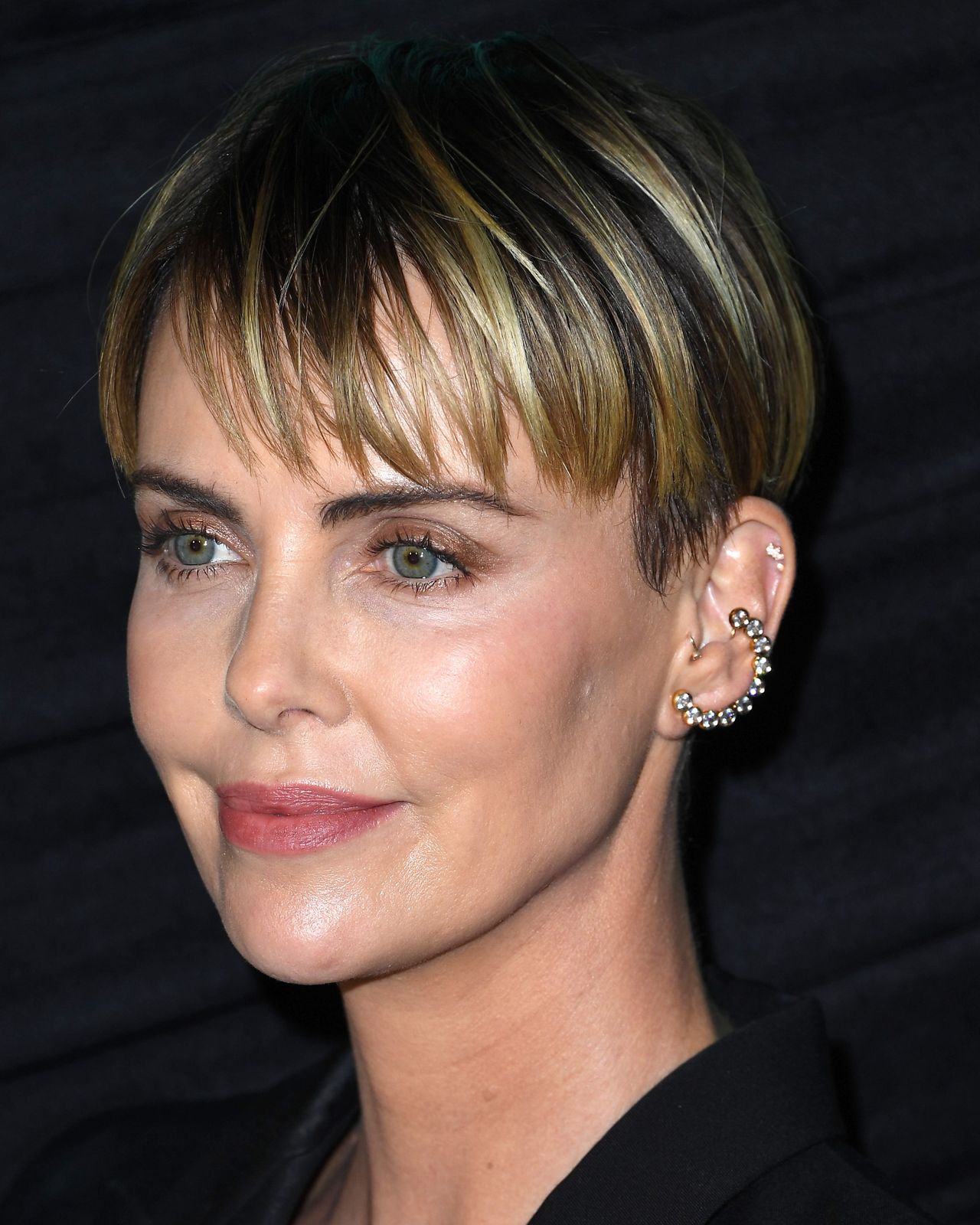
A honey blonde pixie bob at ear length does something clever for fine hair. The bob shape creates a blunt perimeter that reads as thickness, while the short, textured layers on top add lift where fine hair usually collapses. The honey blonde with darker roots and subtle highlights adds dimensional color that tricks the eye into seeing more hair than is there. Bangs are short and swept to the side, cut into the texture so they blend. Straight, fine hair holds this shape well. If your hair is very fine, the bob baseline is the part that works.
Platinum Bob with Blunt Bangs
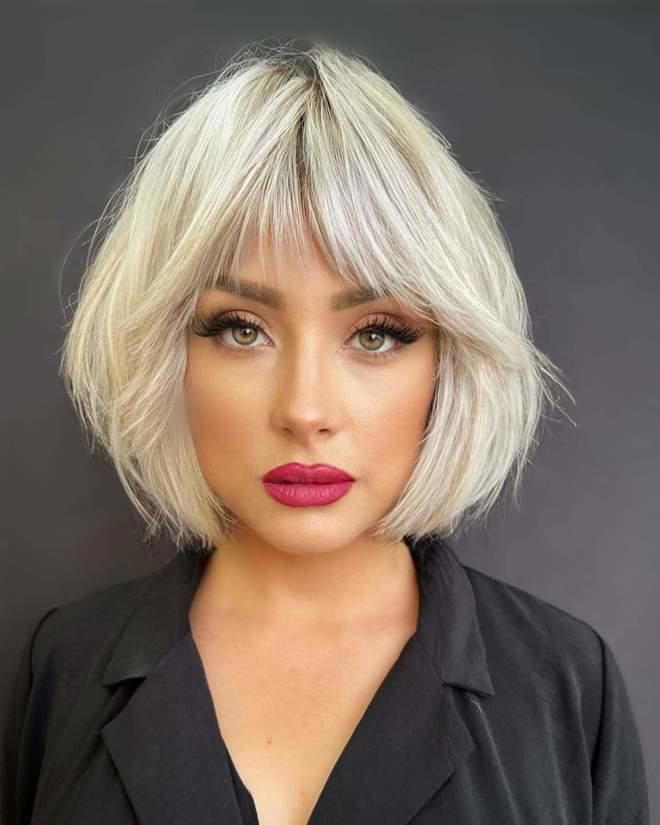
I booked this twice in one season. That is not a boast. The platinum blonde bob with blunt bangs is a chin-length commitment that pays back in structure. Straight, fine texture is the whole point here: the blunt baseline holds the line, and the bangs land just above the brows. No layers, no softness, no hiding. A side part breaks the severity just enough.
What the photo does not show is the weekly styling. A flat iron is non-negotiable. The bangs separate by noon if I skip a heat protectant. And the grow-out? My roots showed at week five. But when it is fresh and smooth, it is the most deliberate thing I have done to my hair.
Dark Bob with Straight Bangs
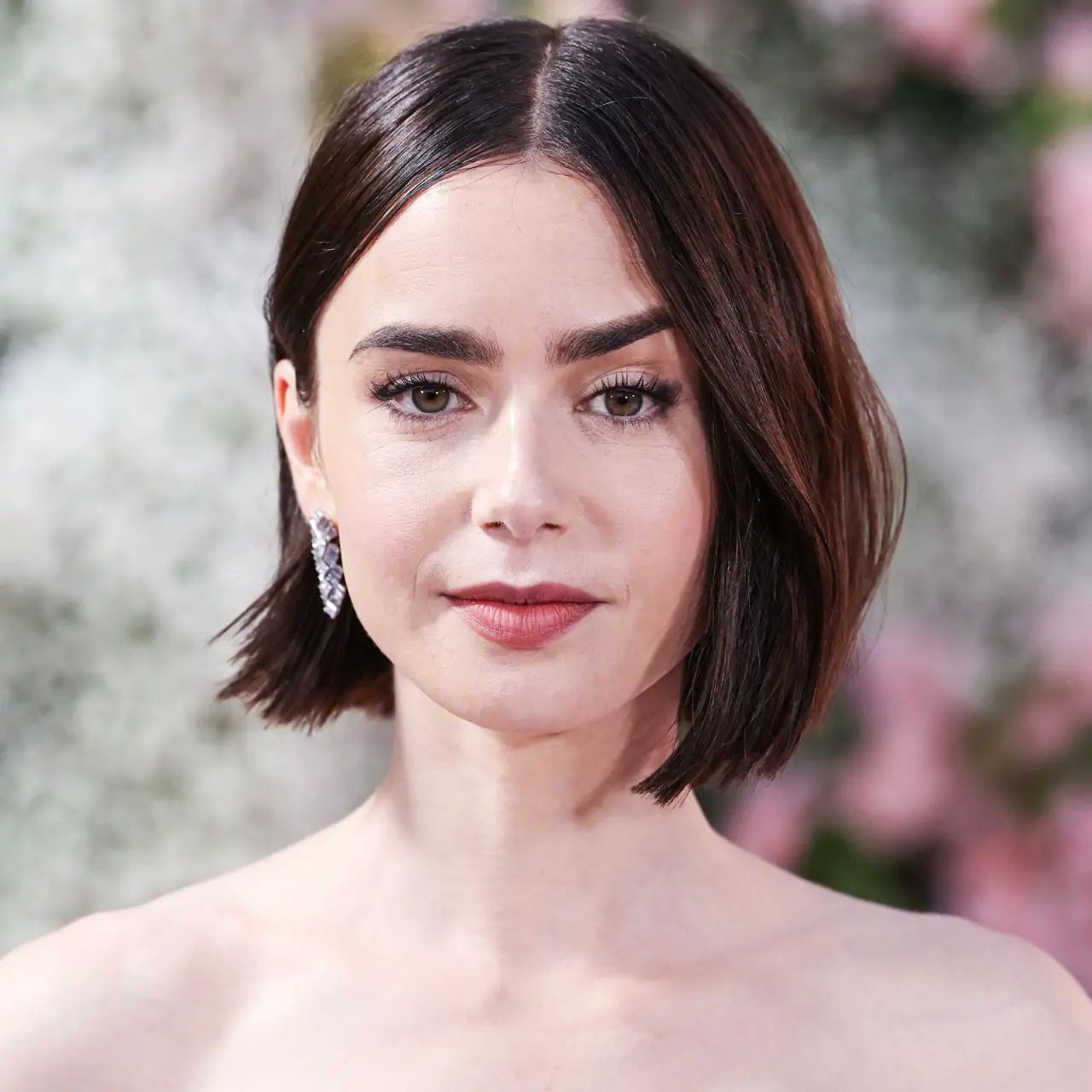
Which bang style actually holds on fine hair? The dark brown bob with bangs with straight bangs, not the wispy kind. This is a chin-length bob with a middle part, the bangs cut straight across. No layers, no texture, just one clean line. The dark chestnut shade reads dense, which is the whole trick. Compared to a curtain fringe that splits by lunch, these straight bangs stay put. They land right at the brows, and the bob ends at the jaw. It is not a soft look. It is a sharp one. And on thin hair, sharp reads as deliberate.
Collarbone Shag with Full Bangs
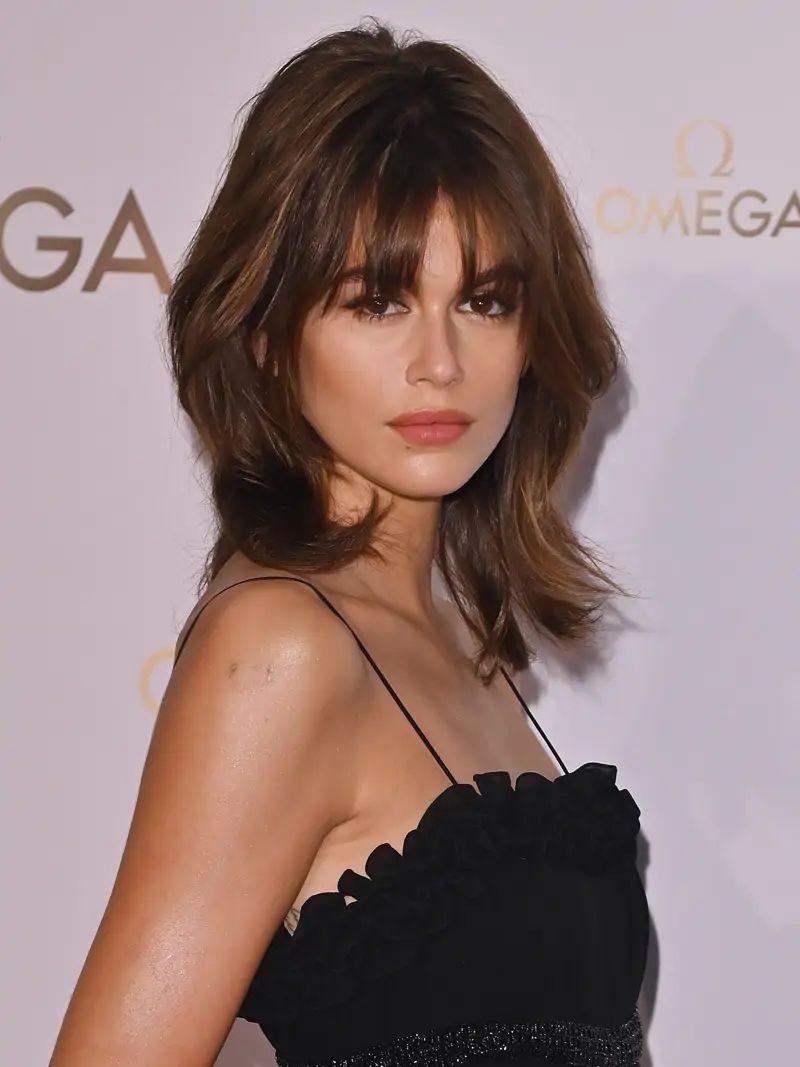
The shag haircut with bangs is a rare thing: a longer cut that does not punish fine hair. This one hits the collarbone, with textured layers cut through the body and full bangs that land above the brows. The wavy texture is key. Straight fine hair would collapse under the layers, but a natural wave holds the shape. The full bangs add visual weight at the front, and the layers create the illusion of density.
Who this genuinely flatters: anyone with a wave pattern, even a slight one. Who should pass: hair that air-dries pin-straight. The layers will look sparse, not intentional. What to tell the stylist: keep the bangs full, not feathered, and cut the layers into the wave, not against it. A middle part keeps the face open.
Wavy Ash Bob with Blunt Bangs
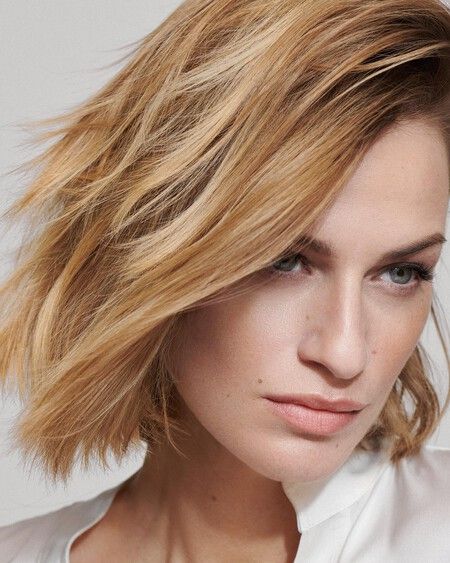
I will admit it. The ash blonde bob with bangs looked better on day three than day one. That is the wavy texture doing the work. Chin-length, blunt bangs, a middle part. The ash blonde reads cool next to warm skin, and the blunt ends hold the shape even as the wave relaxes. By midweek, the bangs need a quick pass with a flat iron. The rest of the bob? It settles into a soft wave that does not go flat until bedtime. Trims every six weeks keep the blunt line from fraying. Without them, the ends feather, and the whole point is gone.
Textured Blonde Bob
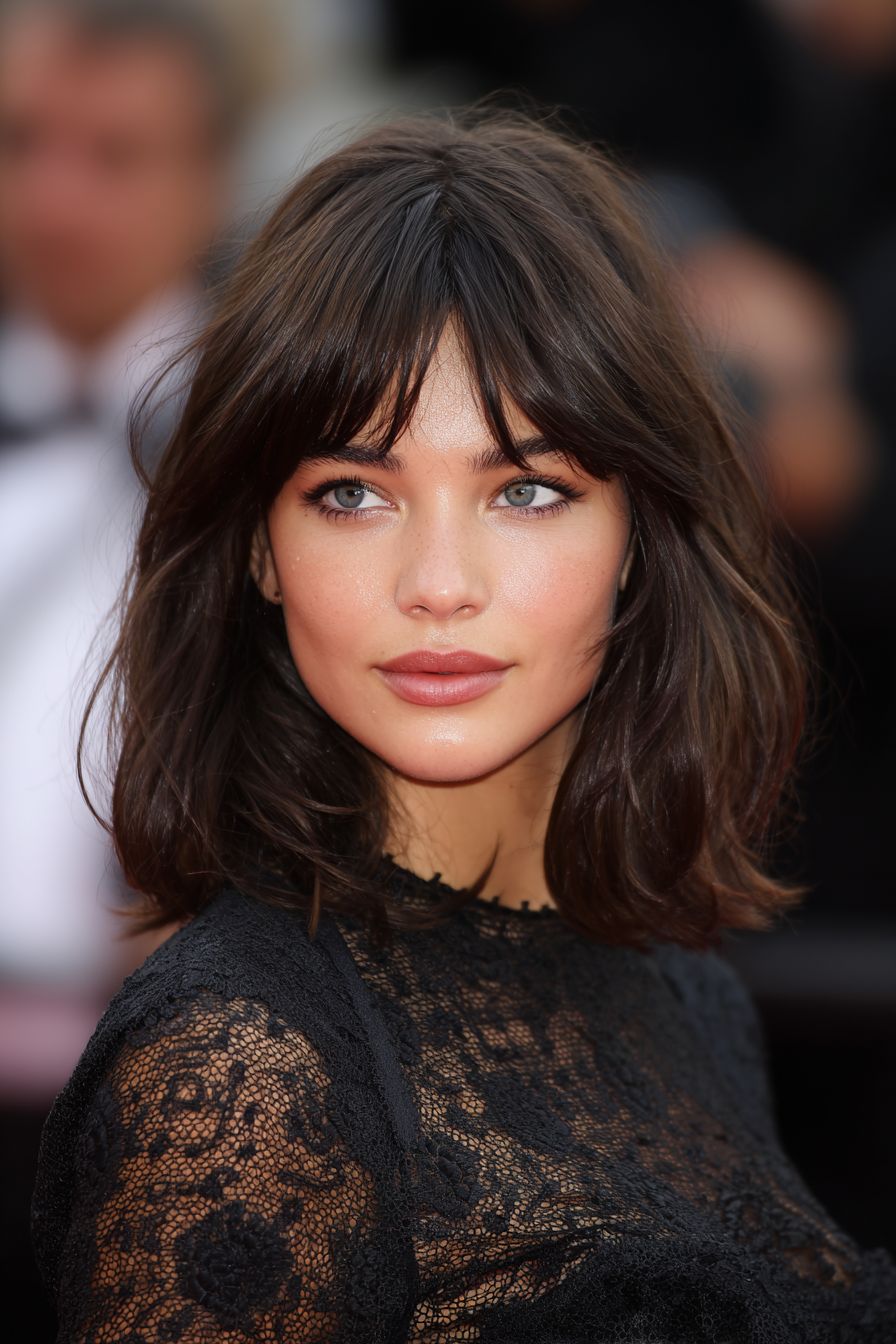
The blonde bob with highlights is not new. The textured waves are the reason this one works on fine hair. Chin-length, blunt bangs, a middle part. The highlights add dimension, which reads as volume. But the real trick is the texturizing technique: the stylist cuts into the ends, not through the body. That keeps the weight at the root and the movement at the tips. A curling wand creates the wave, but a sea salt spray and scrunching does the same thing in half the time. No layers, just texture at the ends. It is a bob that moves without collapsing.
Visual Idea
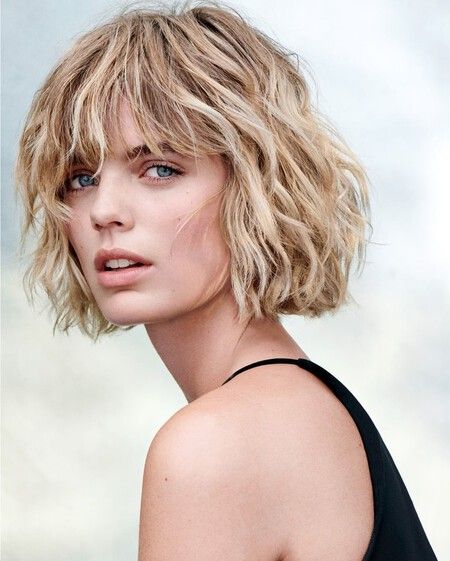
Ever notice how some bobs look like they have twice the hair they actually do? That is this cut. Chin-length, full bangs, a middle part, and dirty-blonde highlights that add dimension without weight. The waves are not natural, they are styled with a round brush and a bit of patience, but for fine, wavy hair, the payoff is real. The bangs hit just above the brows, the volume stays at the cheekbones, and suddenly thin hair reads as thick. Not magic. Just the right bob.
Chin Visual Idea
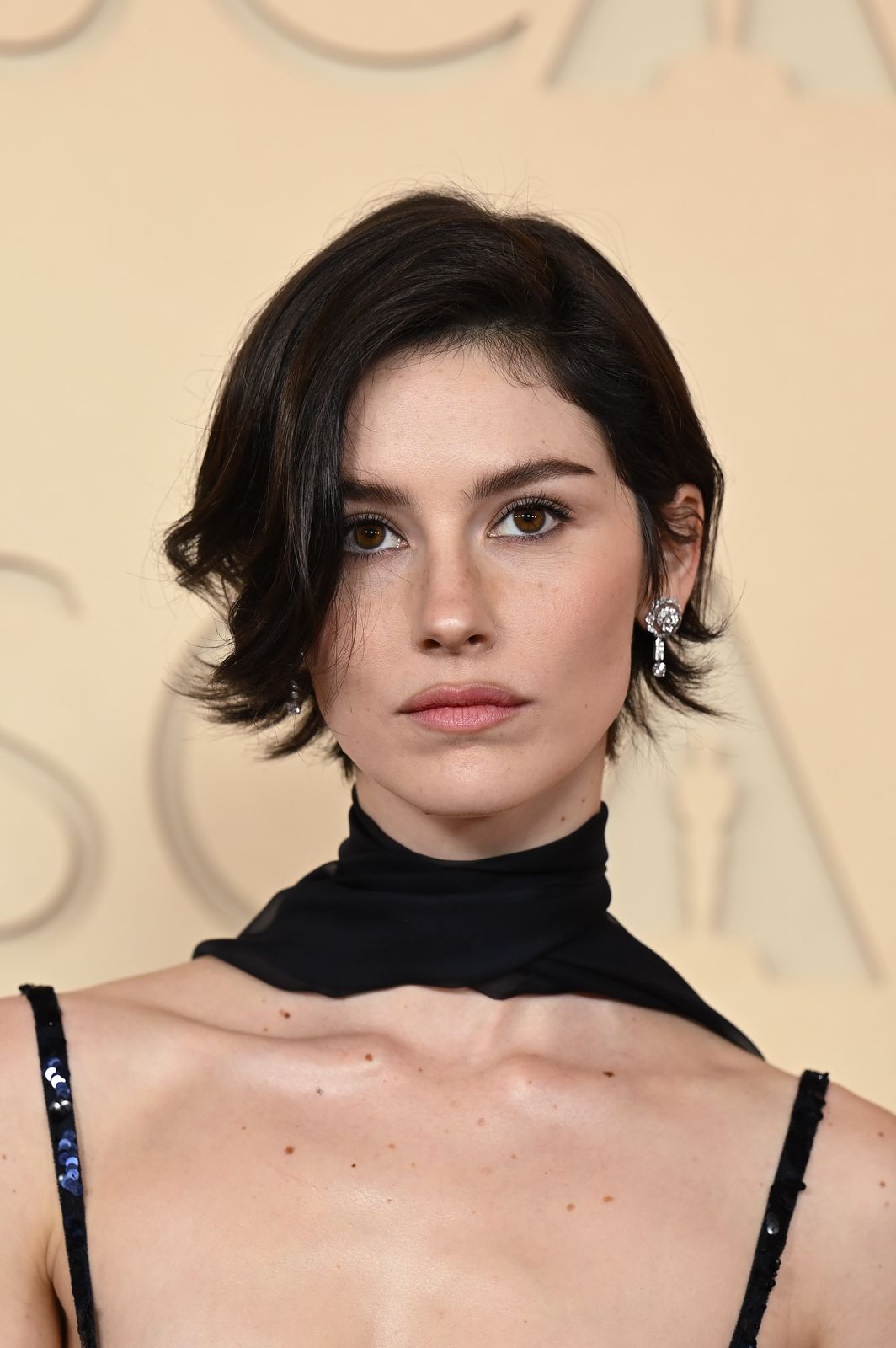
The wispy bangs separate by noon. I know this because I have watched it happen on three different heads. This textured bob at the chin with a middle part and dark brown hair gives you piecey, lived-in texture, but the wispy bangs demand a dry shampoo refresh and a flat iron touch-up halfway through the day. Fine, wavy hair holds the wave, not the bang. If you are okay with a five-minute reset, it works. If you want set-it-and-forget-it, skip the wispy part.
Ear Visual Idea
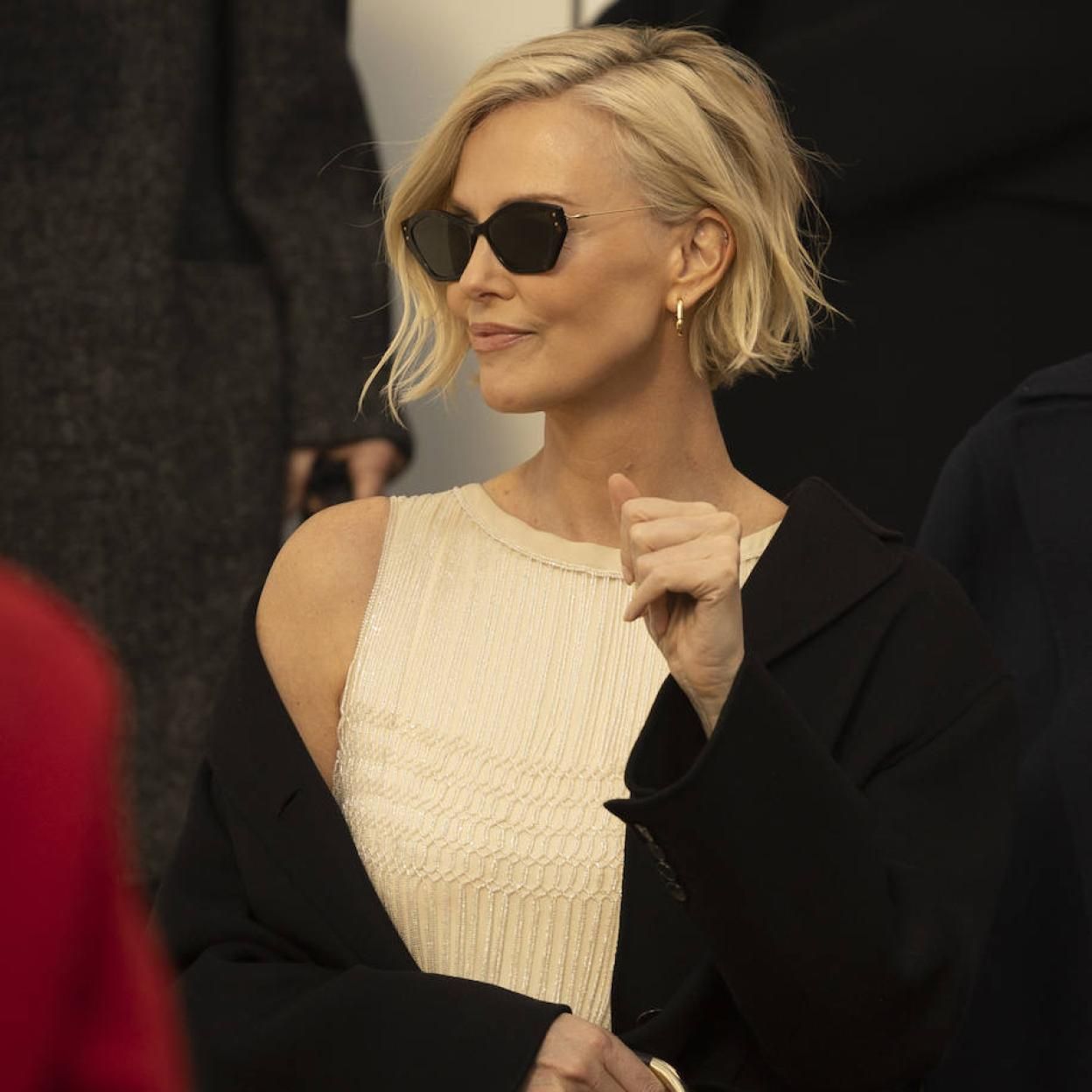
I did not expect to like a honey-blonde layered bob at ear length. But the crown volume changed my mind. The layering technique here is short on top, longer at the nape, which lifts fine, straight hair off the scalp without adding bulk. Side-swept bangs soften the short length. Straight styling keeps the shape clean. The volume is built into the cut, not the blow-dry. That is the trick for fine hair at this length.
подбородок Visual Idea
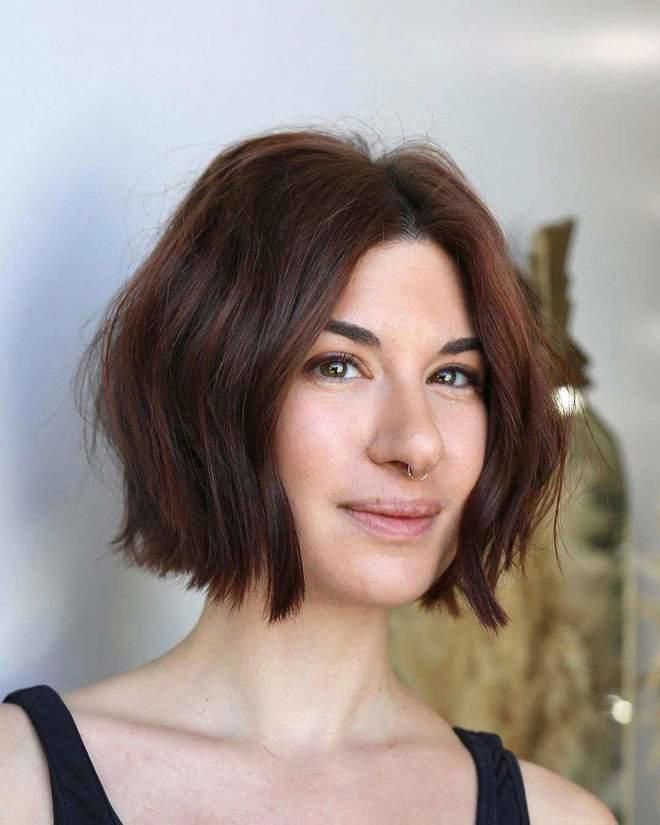
Does a bob without bangs still work for thin hair? Yes, if the volume is at the face. This chin-length bob in dark chestnut with a middle part and soft waves builds fullness right where you need it. The waves are loose, not tight, so fine, wavy hair does not look stringy. No bangs means less daily styling, but the cut relies on the wave pattern to hold shape. Straight hair will fall flat. Wavy hair gets the lift.
до подбородка Visual Idea
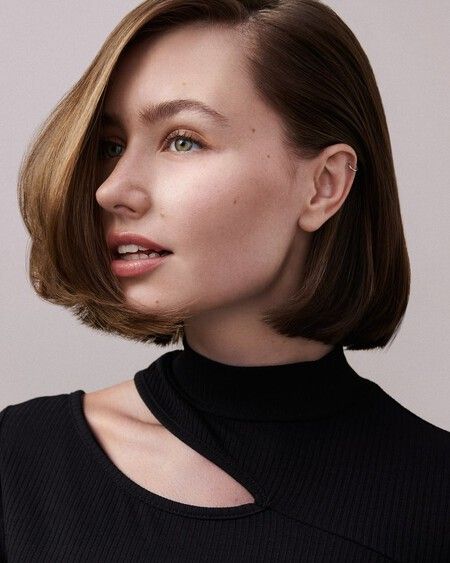
The asymmetry does the heavy lifting here. A dark chestnut bob with a golden sheen, cut longer on one side, just below the chin, with a side part and a smooth finish. For fine, straight hair, the uneven line creates the illusion of density. The smooth styling requires a flat iron and a heat protectant, and the asymmetry means trims every six weeks to keep the line sharp. It holds its shape all day, but only if you commit to the iron.
Collarbone Visual Idea
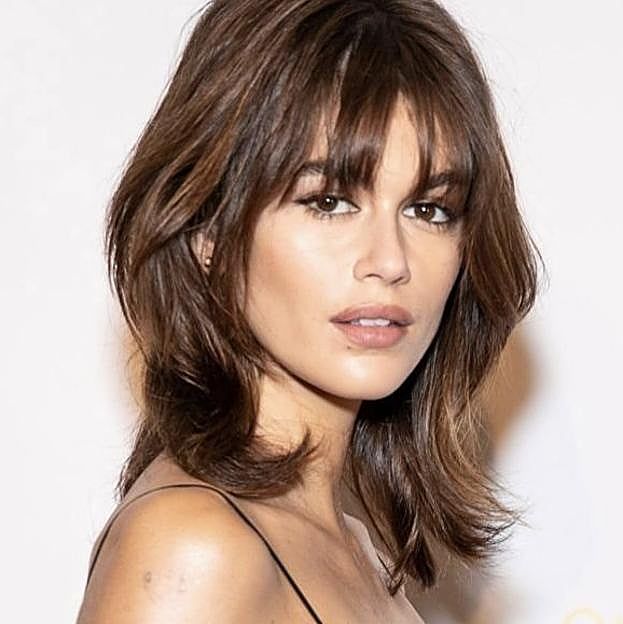
I did not expect to recommend a mullet for thin hair. But here we are. This collarbone-length version keeps the weight off the ends and stacks the layers high at the crown, so the fine, wavy texture lifts instead of lying flat. The choppy bangs are the real trick: they break up the forehead line and add density where hair usually thins first. Middle part, front view, dark brown with subtle highlights that catch the light and fake a thicker surface. The cut itself is a layered mullet, which sounds dramatic but reads modern when the length stays soft. The layers are carved with a point-cutting technique that leaves each piece separate — no blunt edges to weigh it down. Bangs hit just above the brow and feather out at the sides. Wavy texture works because the cut is designed to move with the wave, not fight it. Every strand has somewhere to go.
The technique matters here because fine hair needs precision. A stylist who understands layering will remove bulk from the interior while keeping the perimeter intact. That is the difference between a mullet that reads shaggy and one that reads choppy and deliberate. The choppy bangs are not a DIY situation — they need a dry cut and a steady hand. Collarbone length is the sweet spot: short enough to hold wave, long enough to pull back on day three. Dark brown with subtle highlights adds dimension without a harsh grow-out line. This is a cut that works because of how it is built, not despite it.
до плеч Visual Idea
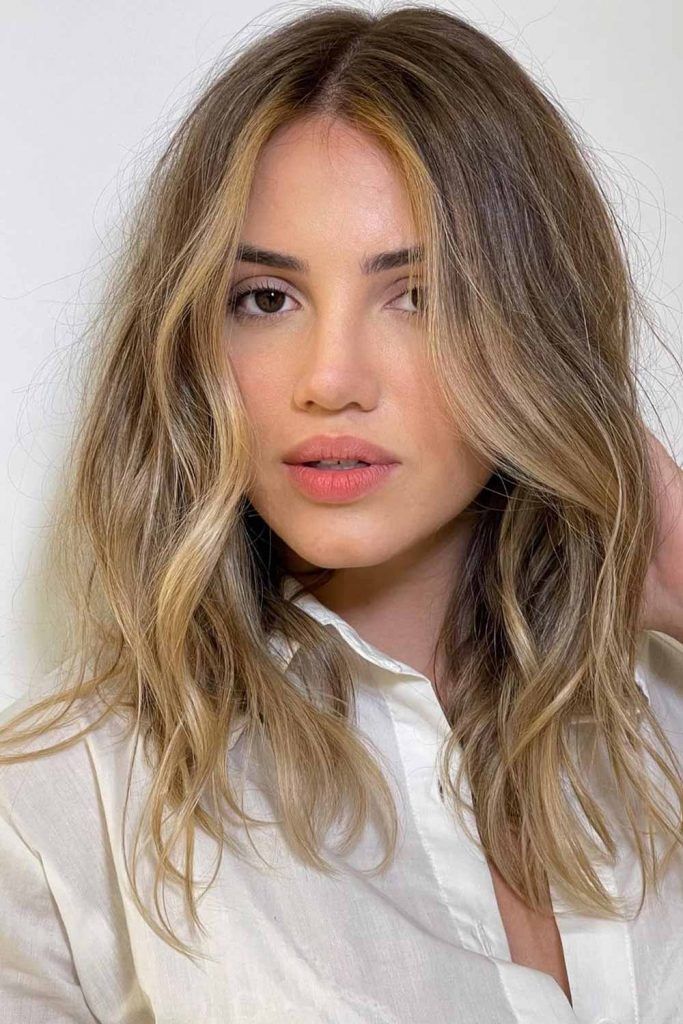
Does this length actually flatter fine, wavy hair? Yes, if the layering is subtle. The cut is a medium length with light layers, stopping just past the shoulders. The front view shows a middle part and face-framing strands that blend into the rest. The colour is light chestnut with highlights, which adds the illusion of depth. The texture is wavy and fine, so the layers need to be soft — aggressive stacking would make the ends look stringy. The highlights are placed to catch the wave peaks, which creates movement without extra product. This length works for oval and heart face shapes because the weight falls at the collarbone and does not widen the jaw. The subtle layers keep the shape from feeling heavy. If your hair is very fine and straight, skip the layers and go blunt. But if you have natural wave, this is the length that lets it breathe.
Shoulder Length Visual Idea
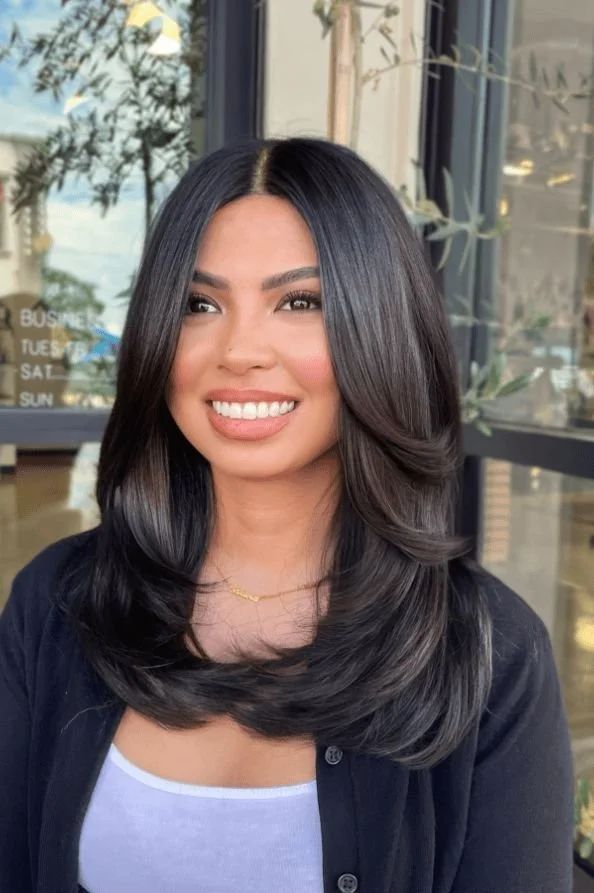
The blowout holds for exactly one day. Shoulder length, layered cut, face-framing bangs, straight fine texture — by noon on day two the front pieces separate and the crown goes flat. The middle part and dark brown with subtle grey highlights look polished when fresh, but the bangs need a round brush and a hot tool every morning. The layers add movement but not volume, so the shape relies on styling. If you have the patience for a daily blow-dry, this cut reads intentional and clean. If you do not, the face-framing bangs will hang limp by lunch.
каштановый с мелированием Visual Idea
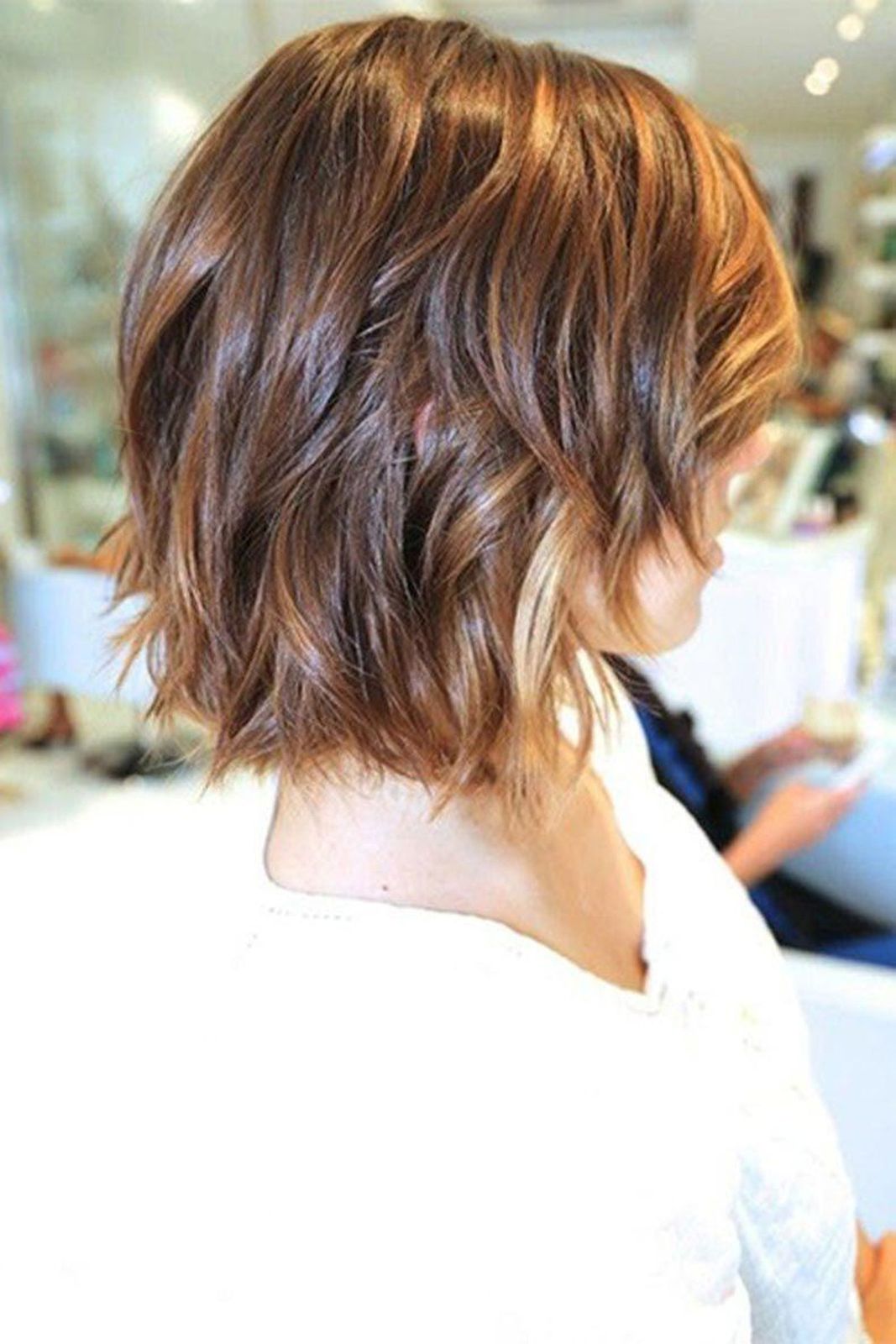
I will admit I was skeptical of a layered bob on fine, wavy hair. Then I saw the back view. The cut is a layered bob at shoulder length, chestnut with highlights, styled in soft waves. The layers are cut into the interior, not just the ends, so the wave has room to form without collapsing. The middle part and no bangs keep the front clean, while the back shows the real architecture: shorter layers at the crown that stack upward, longer pieces at the nape that swing. The highlights are woven through the layers, which means every wave peak catches a lighter tone. The technique is point-cutting the layers so each one ends at a different length — that is what creates the movement. Fine, wavy hair needs this kind of precision. A blunt bob would sit flat. This one lifts.
слоированный боб Visual Idea
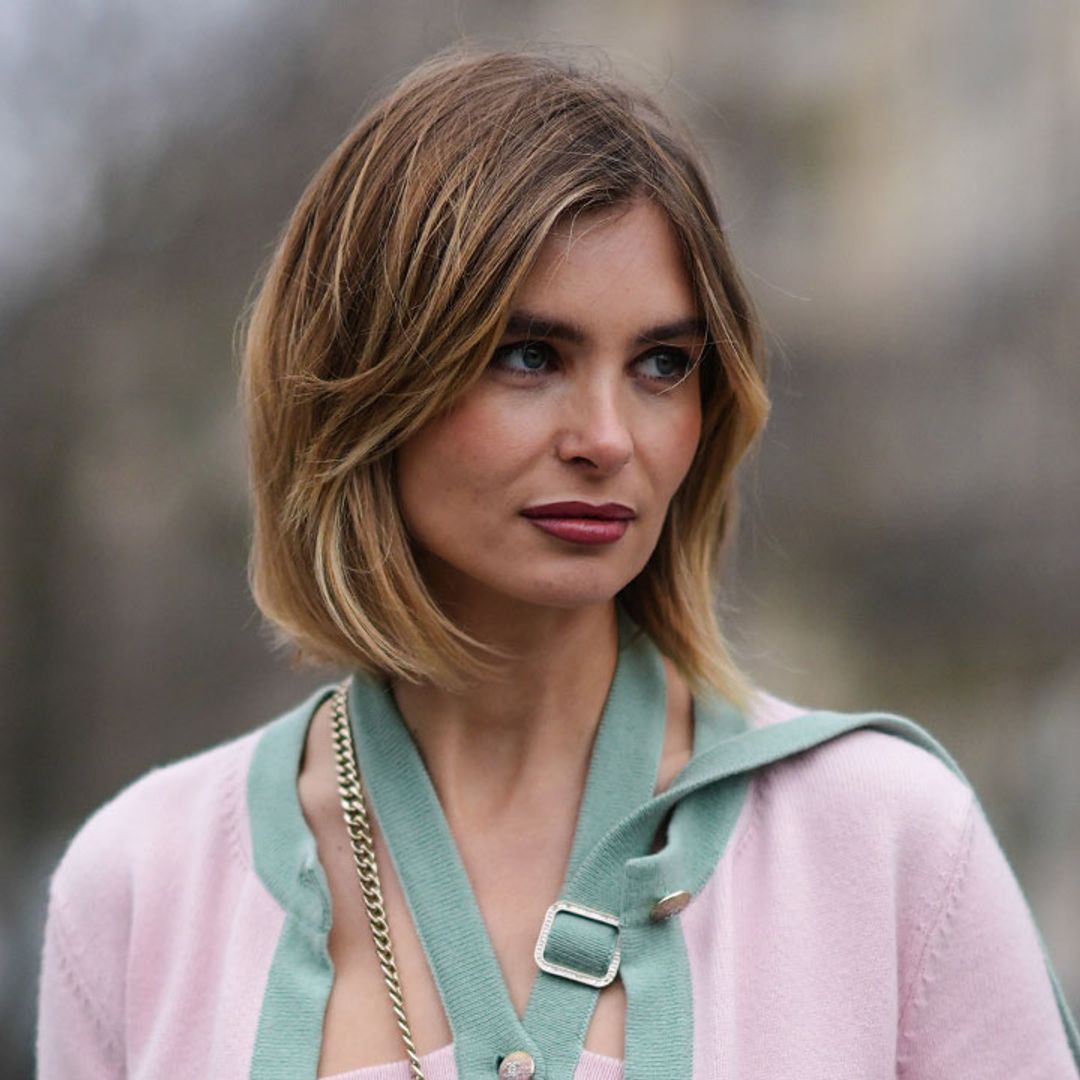
Which bob holds volume longer for fine, wavy hair: a layered bob or a blunt cut? The layered bob, every time. This front view shows a layered bob at shoulder length, light chestnut with highlights, styled in soft waves with a middle part. The layers are cut into the body of the hair, not just the ends, so the wave structure stays intact. The blunt cut looks thicker on day one but drops by hour four. The layered bob keeps the shape because the shorter pieces underneath lift the longer ones on top. The highlights add the same effect — lighter strands at the wave peaks create the illusion of thickness. Fine, wavy hair needs the internal support that layers provide. The blunt cut is a photograph. The layered bob is a living haircut.
Medium Brown With Subtle Highlights Visual Idea
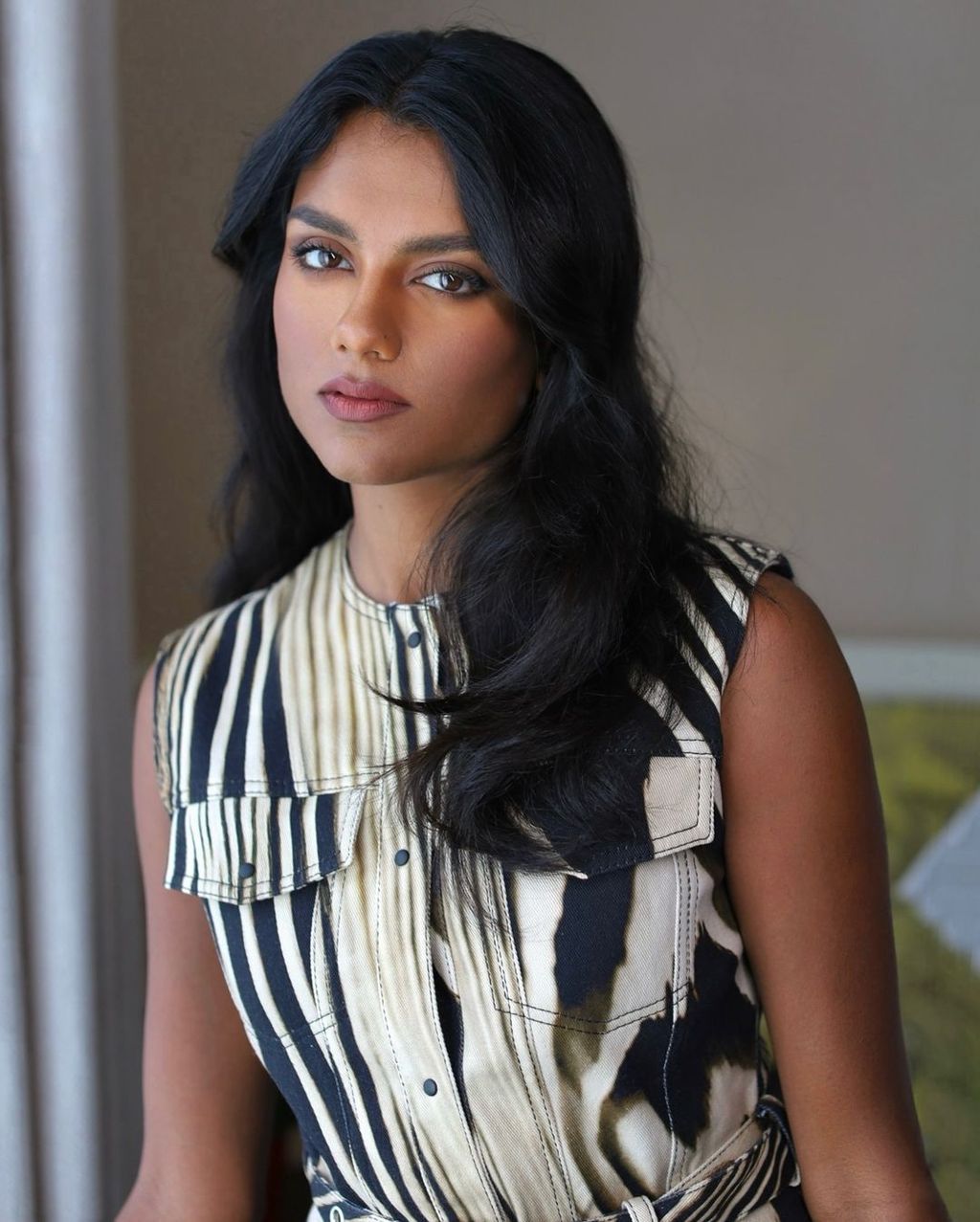
That middle part is doing more work than you think. On fine, wavy hair, a center part and choppy bangs create the illusion of density at the hairline, and the shoulder-length shag keeps the weight off the ends. The subtle highlights add dimension without a harsh root line, which matters when your strands are thin enough to show every inch of flat color. The shaggy layers break up the surface so the eye reads texture, not transparency. This is the cut that makes fine hair look like it has opinions.
Shoulder Visual Idea

I will admit this: I underestimated how much work blunt bangs are on fine hair. The shoulder-length shag with layers gives the body, sure, but those blunt bangs need a round brush and a cool shot of air every morning or they separate into sad little strings by noon. The wavy texture helps — it hides the uneven drying that happens when your hair is too fine to hold a curl near the forehead. The piecey finish is intentional, but getting there is a daily negotiation.
Ash Blonde Visual Idea
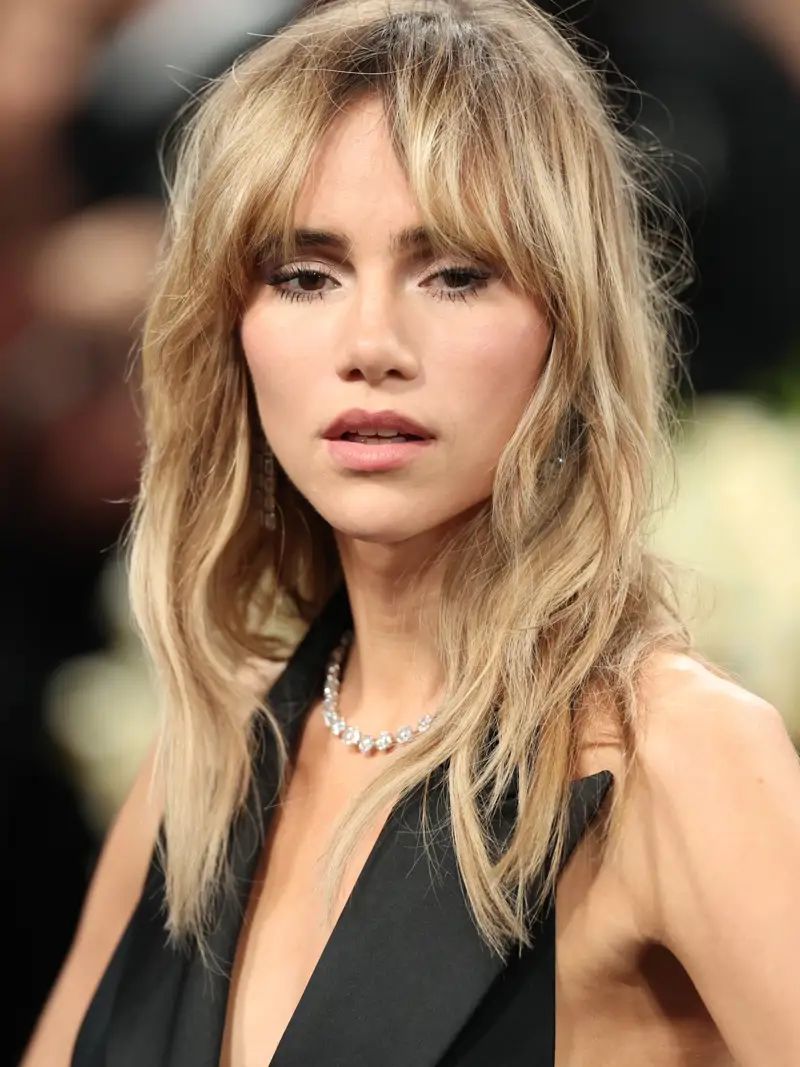
Have you ever watched a stylist cut long layers into fine hair and thought, that is either genius or a gamble? The trick is keeping the layers long enough that they move without removing bulk. On this shoulder-length cut, the wispy bangs are cut at an angle so they graze the brow bone, not sit across it. The loose waves are set with a wide-barrel iron, and the ash blonde tone reflects light instead of absorbing it. The face-framing layers catch the wave pattern and pull it forward, which is how fine hair suddenly looks like it has volume it does not actually own.
Mid-Back Visual Idea
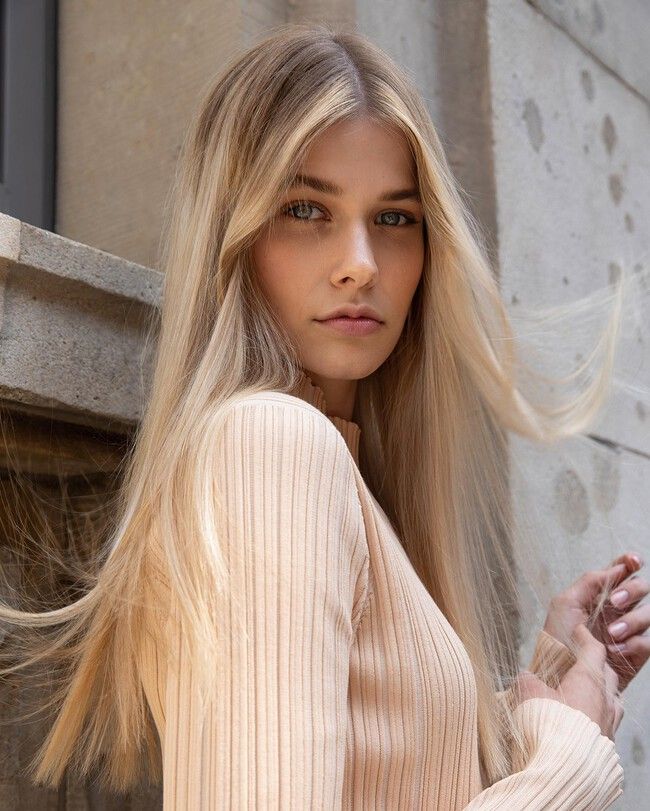
The mistake people make with long layers on fine hair is asking for too many of them. One or two long layers, starting below the shoulder, keep the mid-back length from looking stringy. The side-swept bangs break the horizontal line, and the subtle ash blonde highlights add depth without weight. The air-dried wave is doing the real work — fine hair at this length needs texture or it just hangs there, flat and apologetic.
Collarbone Length Visual Idea
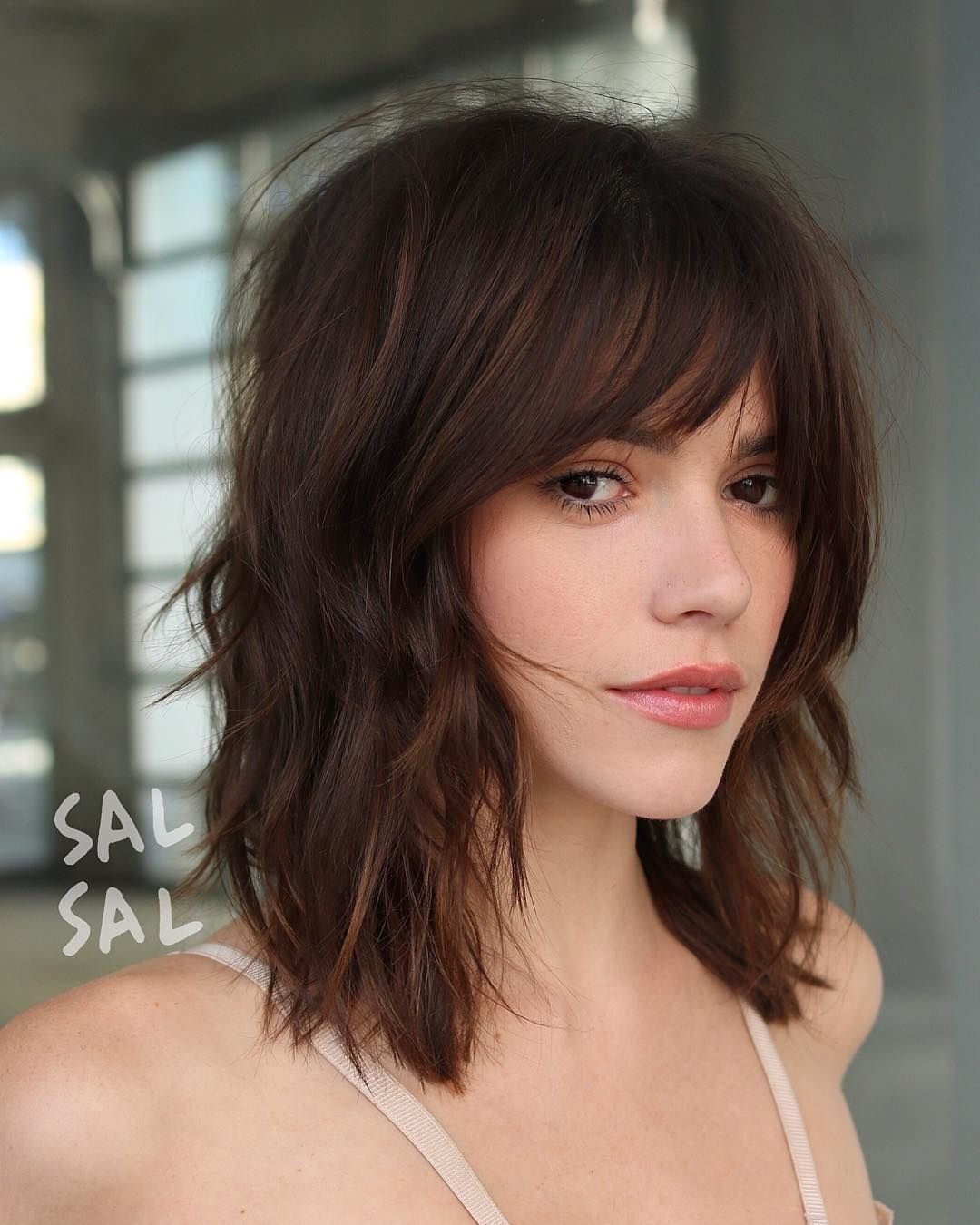
I have to confess, I used to think wispy bangs on fine hair were a losing bet. Then I saw this collarbone-length shag with a middle part, and the wispy bangs are cut so they blend into the shag layers instead of sitting as a separate piece. The medium brown color keeps it low-contrast, so the texture reads as deliberate, not thin. The textured styling is the whole point — without it, the shag layers just lie flat and the wispy bangs disappear. This is a cut that demands a styling commitment, but the payoff is a shape that moves like it has more hair than it does.
Layered Bob Visual Idea
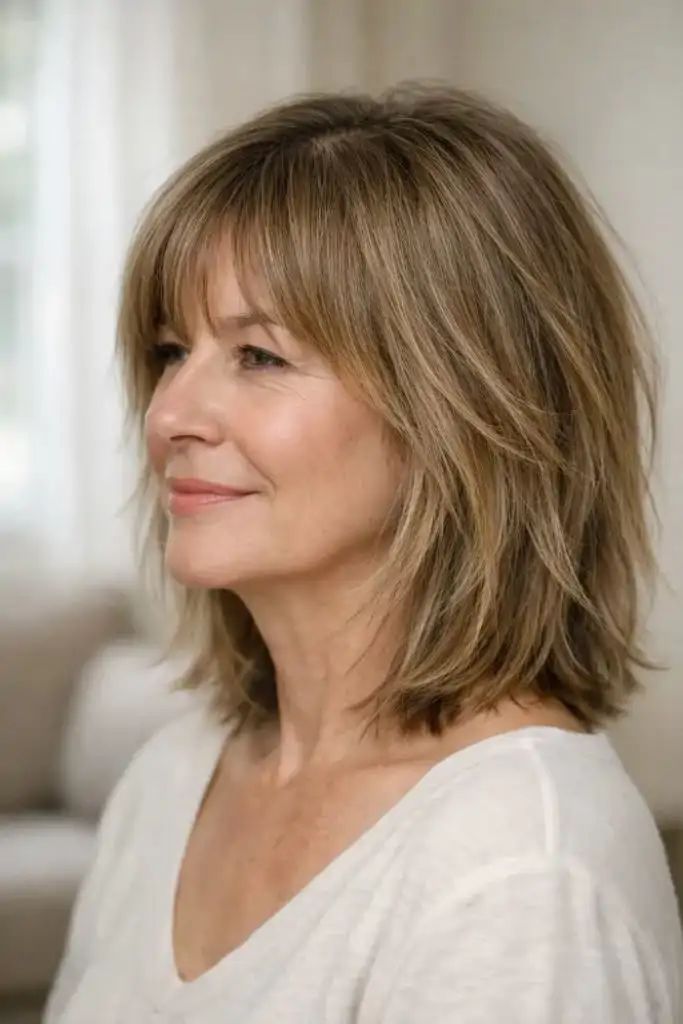
Ever notice how a layered bob with curtain bangs looks like it just happened, no effort required? The trick is in the cutting technique itself. Those collarbone-grazing layers are cut at an angle that stacks volume at the crown, then softens toward the ends. The curtain bangs start short at the center and feather outward, so they frame the cheekbones without weighing down fine waves. On medium-density wavy hair, the internal layering removes just enough bulk to let the wave pattern spring up instead of lying flat. A middle part keeps the face-framing even on both sides. The wavy blowout finish is built into the cut, not added after.
уши Visual Idea
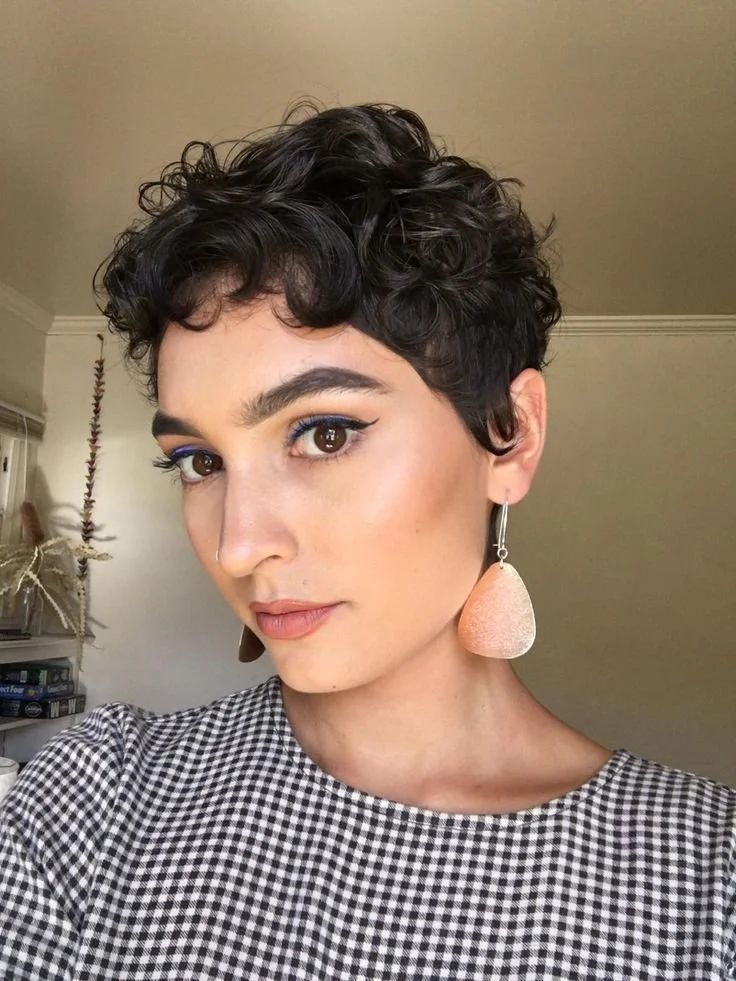
I was skeptical about a pixie on curly fine hair, then I saw this one. The difference is the texture work. Straight fine hair goes flat at this length, but the natural curl pattern here holds the shape. The short, textured bangs break up the forehead line, and the dark chestnut color adds depth that makes the thin strands look denser. A middle part lets the curls fall symmetrically, which keeps the volume distributed. This cut relies on the curl doing the heavy lifting. If your hair is straight, you would need a significant amount of product and a diffuser to get close to this look.
Layered Lob Visual Idea
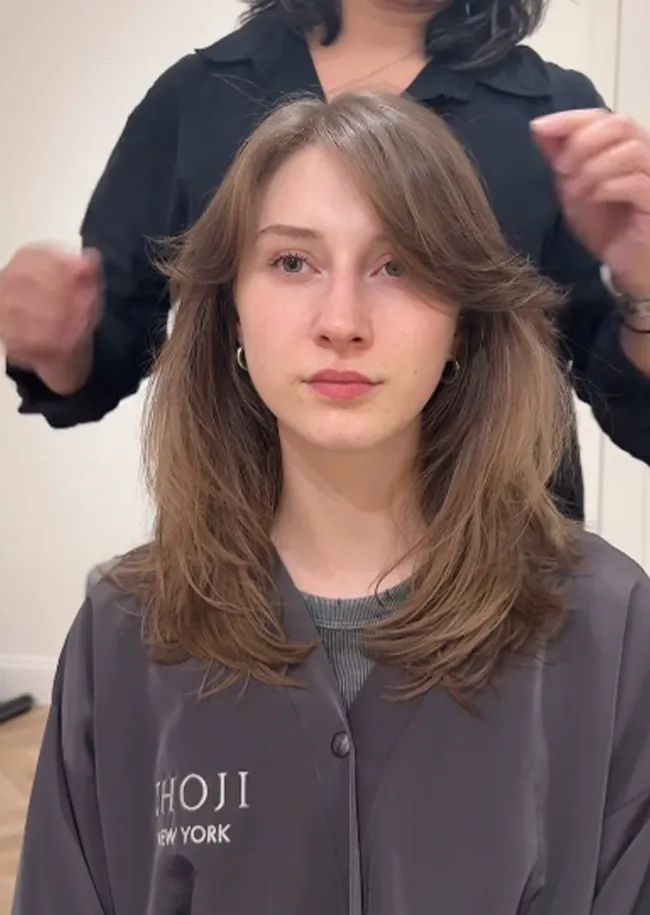
Here is what a layered lob with curtain bangs costs you: about an hour and a half in the chair for the initial cut. The collarbone length is strategic. It is long enough to pull back but short enough that the fine, wavy texture does not get dragged down by its own weight. The face-framing layers start at the jaw and taper toward the collarbone, so the movement is concentrated where you see it most. The air-dried finish in the photo is honest. Fine wavy hair with this cut dries with natural volume at the roots because the layers remove the heavy ends that usually flatten the top.
Honey Blonde With Subtle Highlights Visual Idea
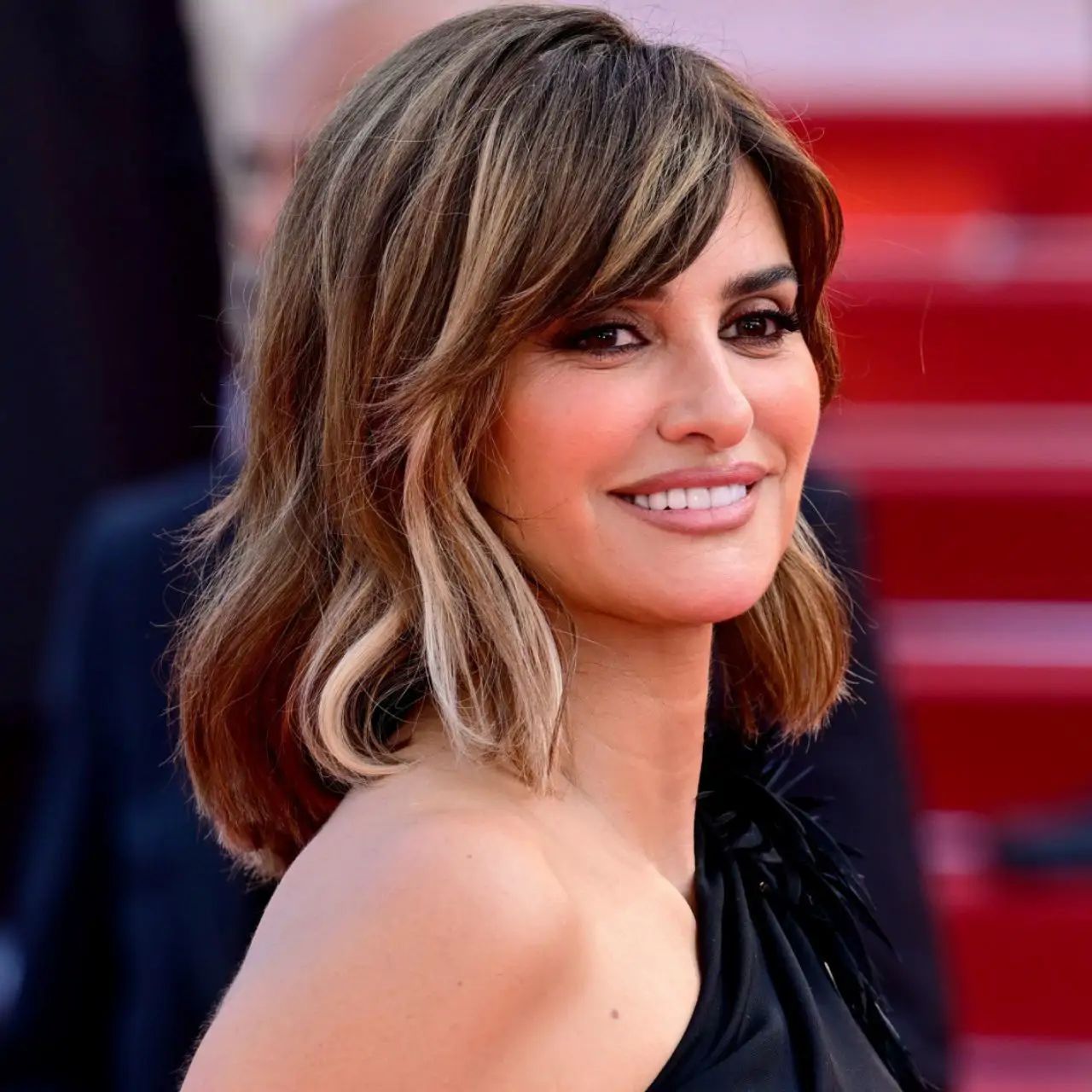
This layered bob works because the styling effort is visible but not exhausting. The loose waves are set with a large-barrel iron, and the curtain bangs are blown forward and then swept to the sides. On medium-density wavy hair, the honey blonde base with subtle highlights adds dimension that makes the waves look separate and defined rather than clumped. The collarbone length keeps the volume from dropping. The middle part is correct here because the curtain bangs are cut to fall away from the center, so the part stays clean. The voluminous finish holds through a workday, which is more than I can say for most layered cuts.
до ушей Visual Idea
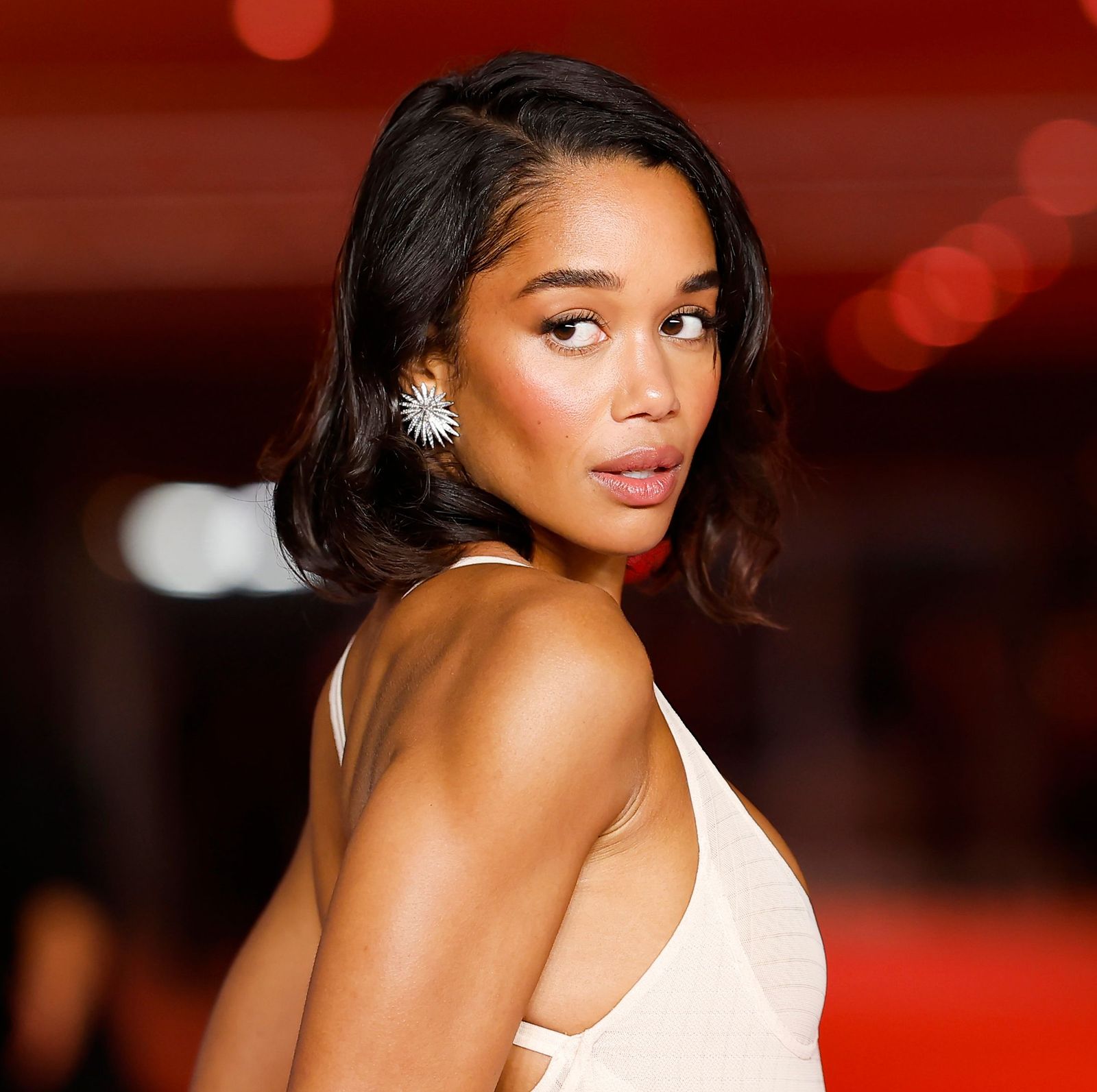
I would not try this one at home. The texture work on this short cut is precise. On fine, straight hair, the stylist uses point cutting to remove weight from the ends without losing the blunt perimeter. The result is a shape that has movement at the tips but keeps the density at the roots. The dark chestnut color helps. A single tone on fine hair can look flat, but the texture in the cut creates enough visual interest. A middle part is the right choice here because it lets the texture fall evenly on both sides. The styling is a quick blow-dry with a round brush, then a light texture spray.
Curtain Bangs Visual Idea
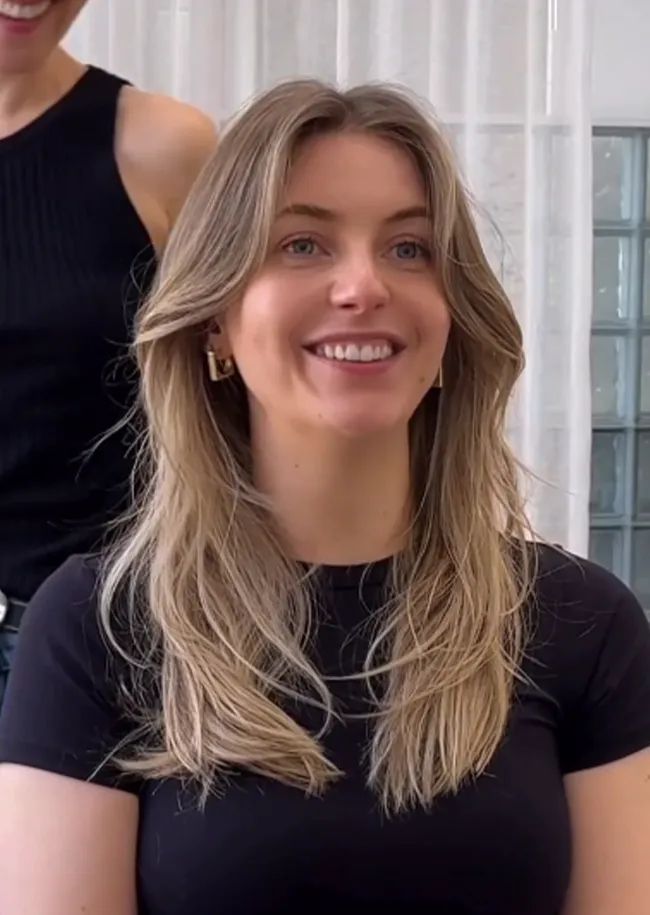
Have you ever wondered why curtain bangs work so well on a lob? The answer is in the weight distribution. A layered lob with collarbone length keeps the body in the hair, while curtain bangs frame the face without pulling density from the crown. The middle part lets the waves fall symmetrically, which creates the illusion of more volume on fine, wavy texture. Ash blonde highlights add dimension, so the hair reads thicker than it is. Straight across bangs would sit too heavy here. Curtain bangs give the lift without the commitment.
Shag Visual Idea
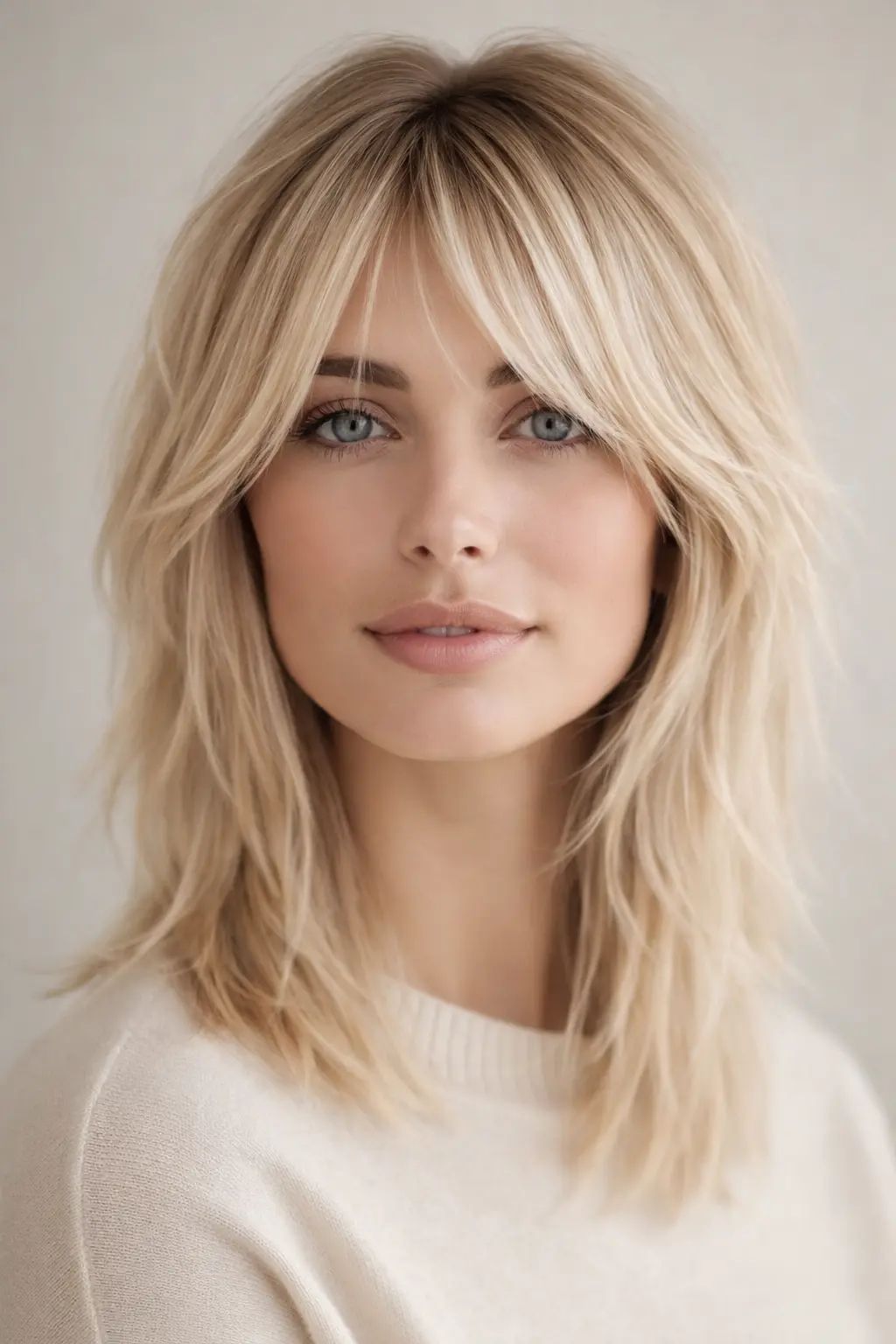
The shag is often dismissed as a cut for thick hair only. That is not entirely accurate. This collarbone-length version with curtain bangs works for medium-density wavy hair because the layers are cut into the interior, not just the ends. The middle parting and blowout styling create lift at the roots, which is where fine hair usually falls flat. Honey blonde highlights break up the shape visually, so each layer reads as its own piece. The curtain bangs soften the face without sacrificing the shag’s signature texture. It is a balancing act, and this cut nails it.
Lob Visual Idea
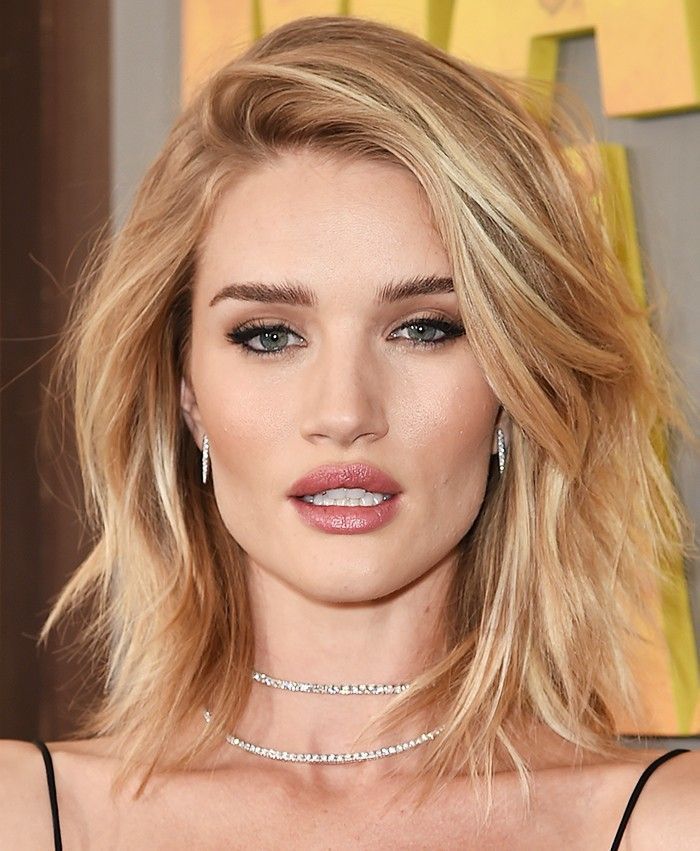
I will admit it: I was skeptical about textured layers on fine hair. But this collarbone-length lob proves me wrong. The honey blonde highlights are placed through the mid-lengths and ends, which gives the waves somewhere to land. No bangs means the focus stays on the layered shape and the movement. The middle part and loose waves create a soft, rounded silhouette that adds visual weight. Fine, wavy hair needs that structure. Without it, the texture just disappears by midday. This cut holds its shape.
Honey Blonde Visual Idea
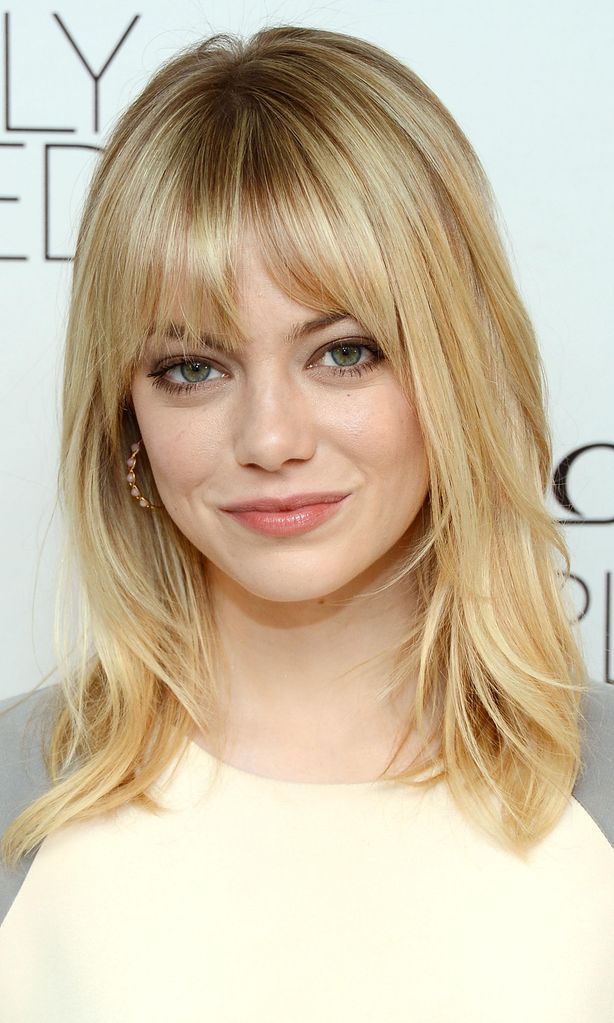
Have you ever tried side-swept bangs on a lob? The technique is simple: the bangs are cut at an angle, longer on one side, so they blend into the face-framing layers. This collarbone-length cut with wavy styling keeps the hair from looking too uniform. The honey blonde color adds warmth without washing out fine texture. The side part creates asymmetry, which tricks the eye into seeing more volume. Face-framing layers are cut to start at the cheekbone, which lifts the whole shape. Fine hair needs that directional movement.
Choppy Bangs Visual Idea
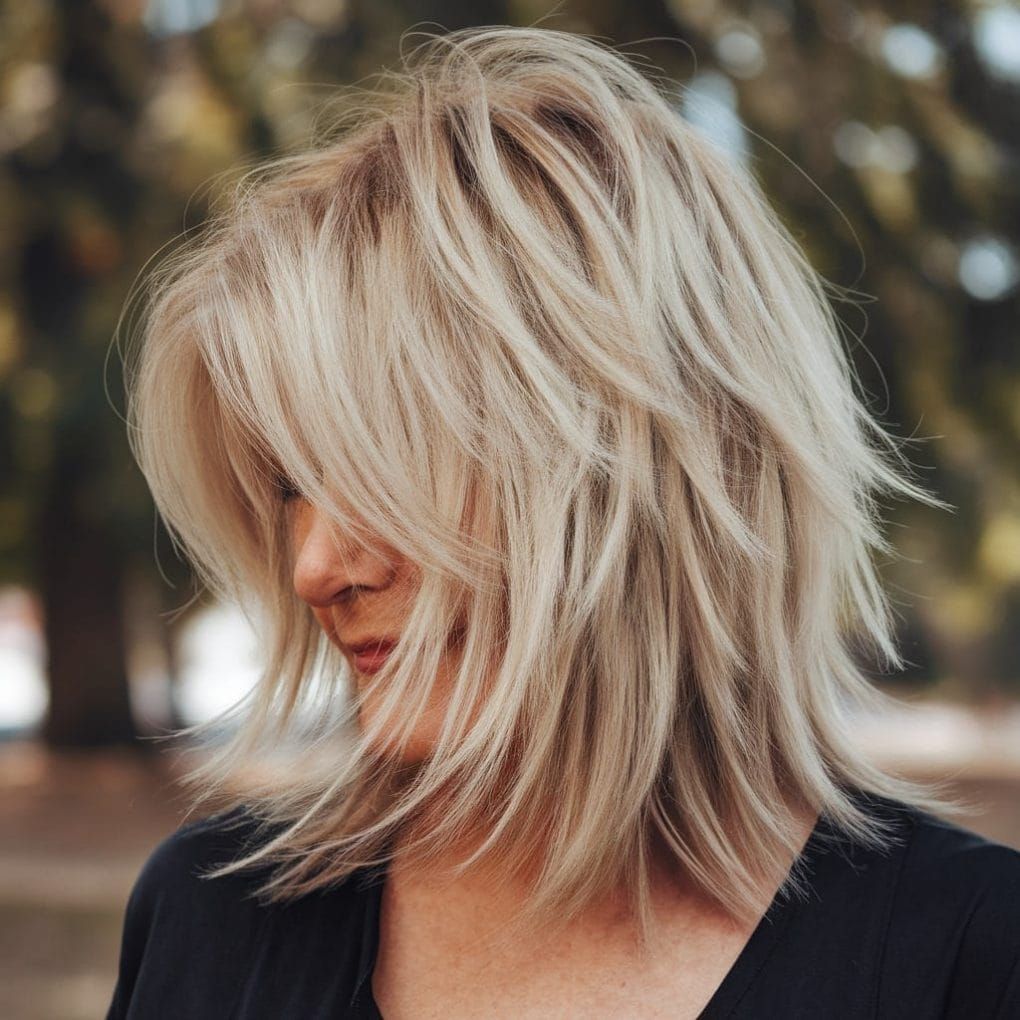
The difference between choppy bangs and a blended fringe is in the cut line. Choppy bangs are cut with point-cutting, which creates micro-ends that separate from each other. On this collarbone-length shag with ash blonde color, the choppy bangs add texture without removing density. The side part and textured styling let the layers move independently. Fine, wavy hair benefits from that separation because it reads as more hair. A blended cut would smooth everything together, and on fine hair, smooth equals flat. Choppy is the better bet.
Final Thoughts
Writing this, I kept circling back to the pixie I swore I’d never try. Two years of side parts and I finally sat down in the chair, and now I’m booking a second appointment before the first one grows out. The blunt bob surprised me too, it held shape past midnight when everything else collapsed.
What I learned: thin hair rewards a cut with structure and a colour with depth. The honey blonde was the one I resisted, then couldn’t stop staring at. Next winter, I’m going shorter and blunter, and I’m not sorry about it.