

2027 Winter Hair Colors: 30 Cozy Shades From Honey Balayage to Copper Red
Winter hair colors for 2027, from honey balayage and copper curls to icy platinum bobs. Compare depth, upkeep, and cut ideas, then save your favorite.
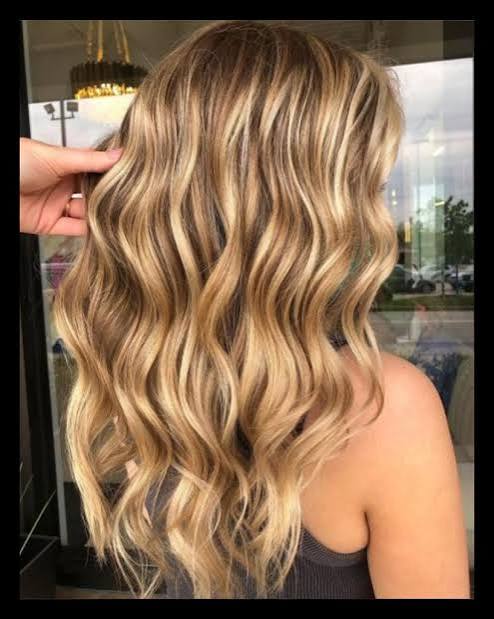
Salon chairs are filling up with requests for deeper bases and warmer tones this 2027 season. The move from summer brightness to winter depth is quiet but real. Nobody is going dark; they want dimension that holds up under low winter light.
These 30 Winter Hair Colors run from low-upkeep root shadows to full copper commitments. Some suit fine hair that goes limp by afternoon, others need density to carry the weight. I have tested several myself and know which fade by week five and which hold. Here is the straight story.
Soft Beige Blonde Lob
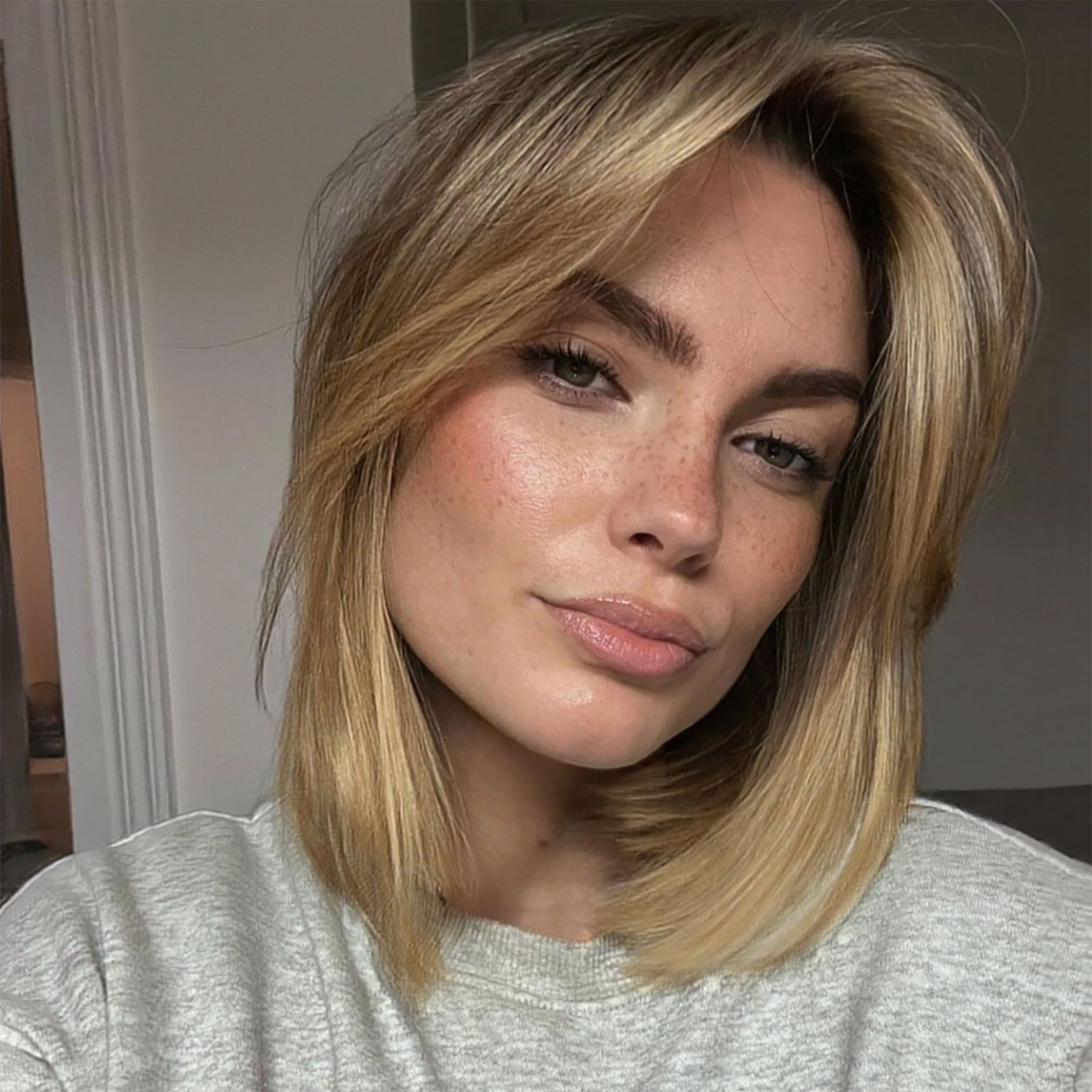
A chin-length lob with a side part looks clean and intentional, which is exactly what winter calls for. The soft beige blonde base keeps the tone neutral, not too warm for the season, while subtle lighter highlights add depth without demanding attention. Straight, fine hair holds a sleek blowout all day, and the chin length tucks under a coat collar without flipping out. It’s the shade you can wear to a holiday dinner and a Tuesday meeting alike, and a quick smoothing serum keeps the ends from looking fuzzy.
Deep Auburn With Rose Gold Highlights
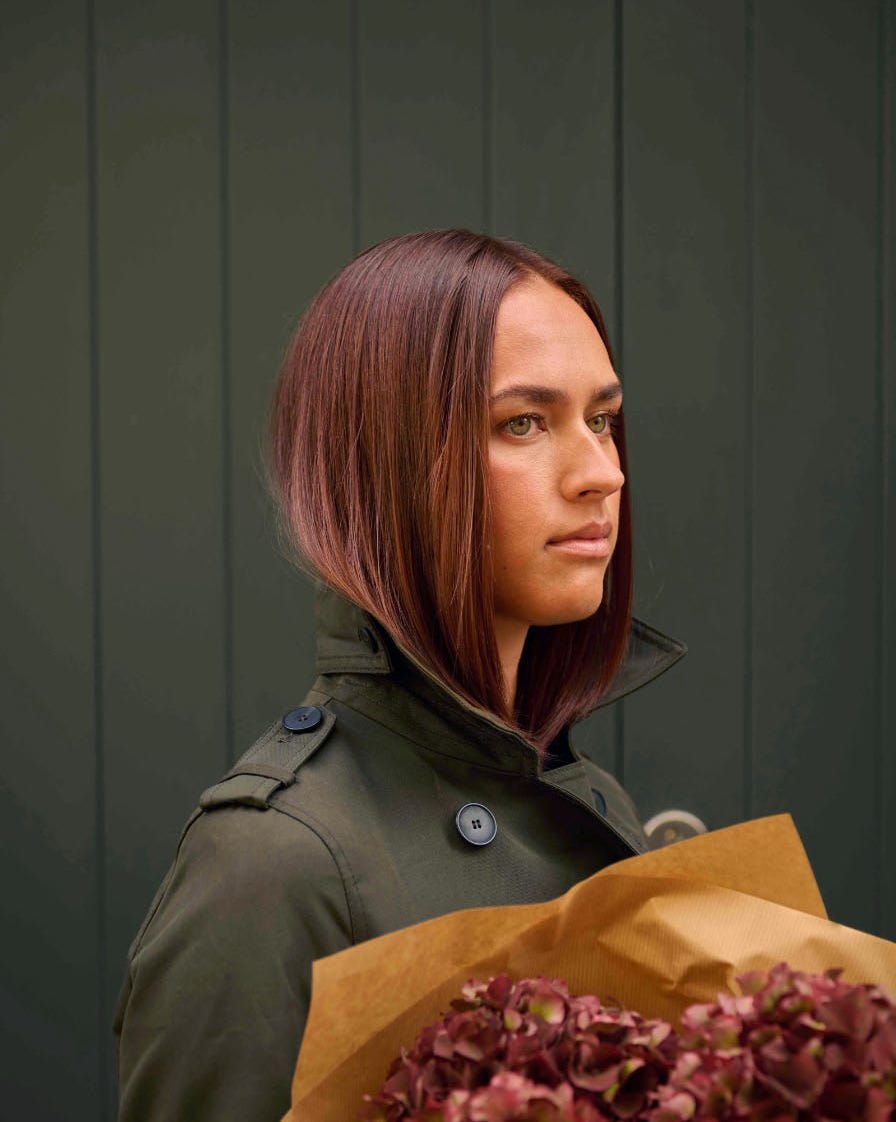
Deep auburn with rose gold highlights is a salon-only color, plain and simple. The blunt chin-length bob needs precise placement of the rose gold pieces so they catch the light without looking stripey. Straight, thick hair takes the auburn base beautifully, but the rose gold tones need their own session for the highlights. Plan a full afternoon: base color, then foils for the highlights, then a toner to blend the two. This is not a bathroom-mirror job.
Vibrant Copper Red Blunt Bob
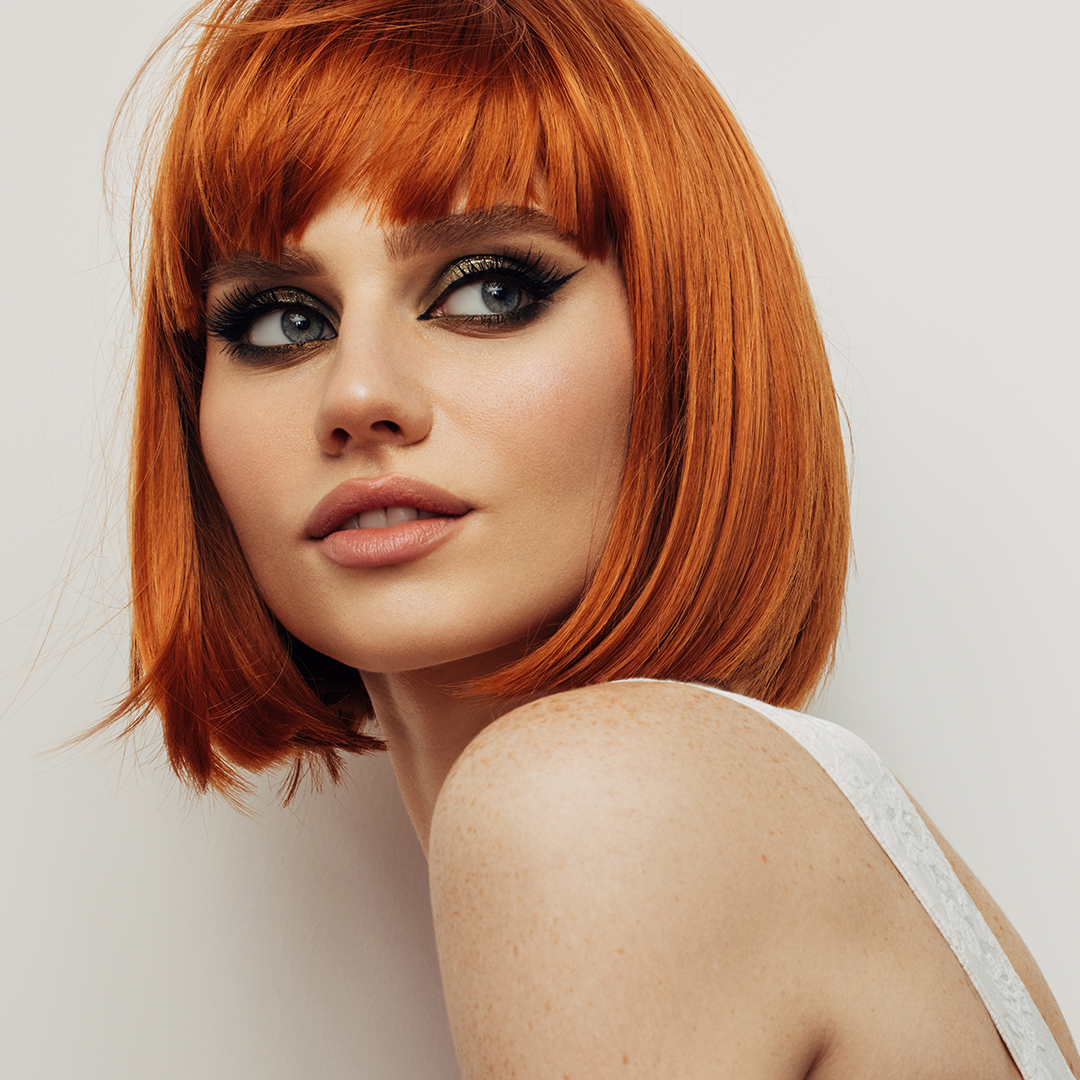
What does it take to get color this even? A vibrant copper red blunt bob on straight, fine hair needs a full application that covers every strand. The blunt bangs demand precise cutting, since a millimeter off and the whole line wobbles. Straight texture shows every uneven patch, so the color must be perfectly saturated. This is not a bathroom-mirror job, so book the full appointment block.
Dark Blonde Balayage Lob
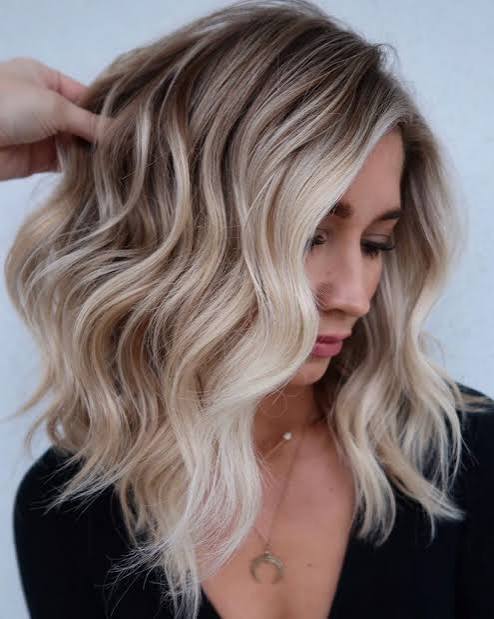
A dark blonde balayage lob works best on medium-density hair with a side part. The collarbone length keeps the cut from swallowing fine strands, and the balayage, painted from midshaft to ends, adds fullness without heavy layers. A side part can widen a round face, so if your face is long, try a middle part instead. The dark blonde base reads neutral rather than ashy or golden, so it suits both cool and warm skin tones. Skip it if your hair is very fine and straight; the balayage can look sparse without texture to catch it.
Medium Brown With Warm Honey Blonde Highlights
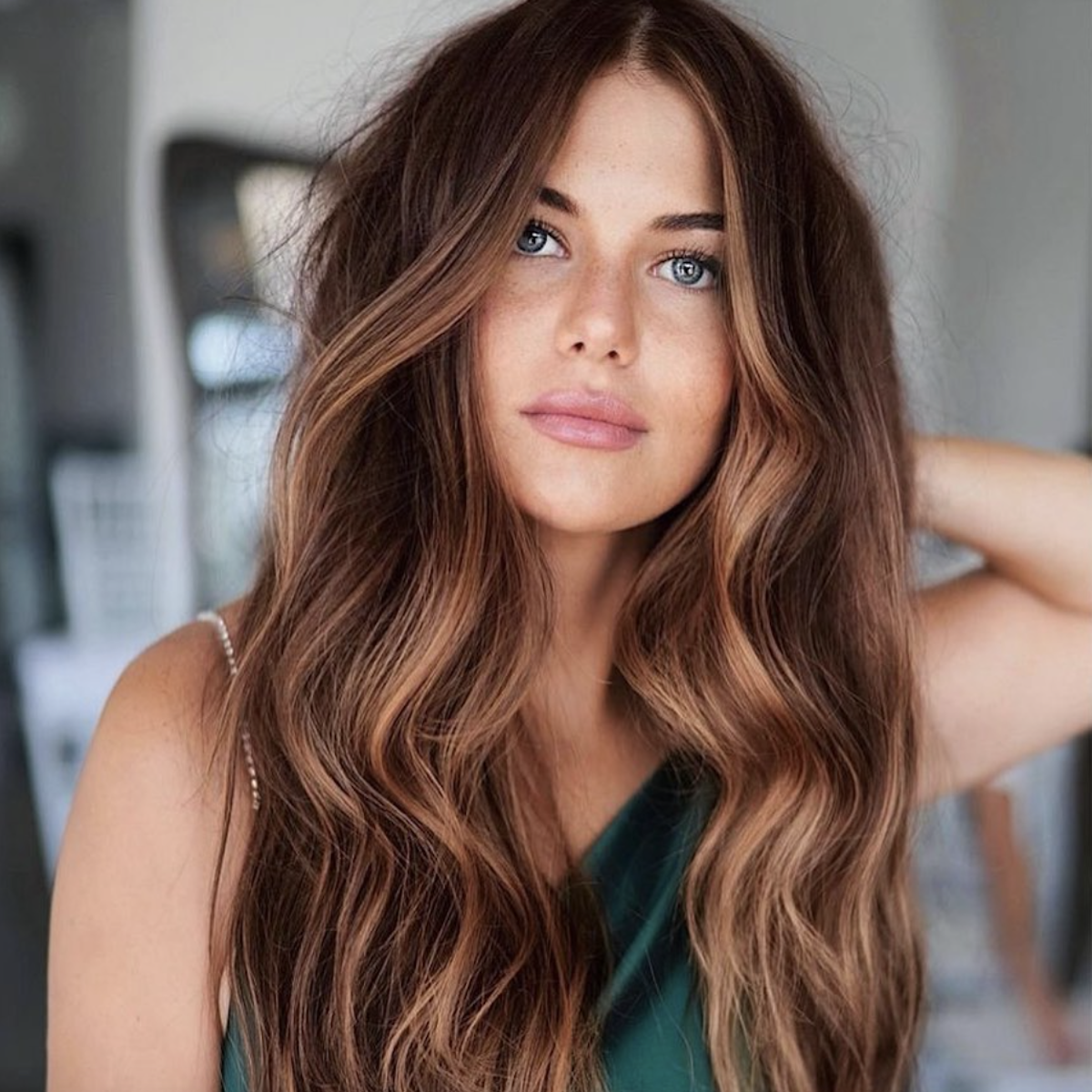
Medium brown with honey highlights rarely looks this natural for winter. The warm honey blonde pieces melt into the base as if they grew there, not like a three-hour chair session. On thick, wavy hair with curtain bangs, it is a wash-and-go color: a little wave spray and you are done. The mid-back length stays practical under cold-weather layers.
Upkeep is where this color earns its keep. A trim every 10 weeks keeps the curtain bangs out of your eyes, and the warm tone resists brassiness longer than cool blondes do. No toning appointments are needed, just a good shampoo. That is the real winter win.
Mid-Back Warm Blonde With Golden Honey
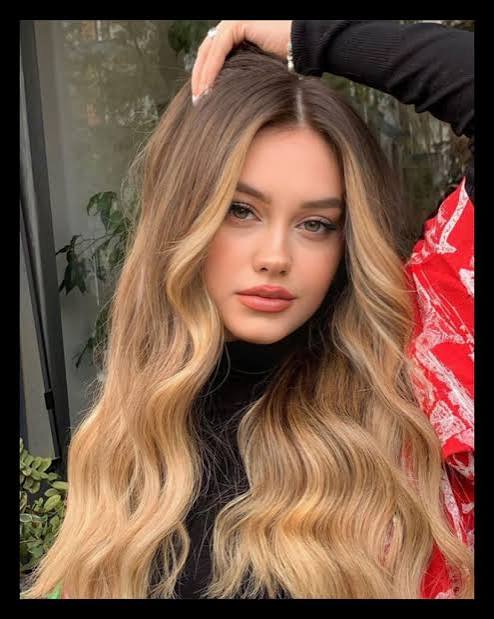
I was skeptical about golden honey highlights in winter. But this warm blonde is bright without being brassy, with balayage that starts dark at the root and melts into honey. On mid-back, wavy, thick hair, the blowout catches the light and keeps the color from feeling flat. The layers add movement, and the middle part shows off the dimension from root to end.
The honest downside is the grow-out. The golden highlights start to look brassy around week six if you skip a toner, so I schedule a gloss every eight weeks to keep the honey tone from turning yellow. The root line stays soft thanks to the balayage, but the ends need attention. Trims every ten weeks keep the ends fresh and stop the color from looking dull. It isn’t a set-it-and-forget-it color, but the warmth is worth the effort.
Mid-Back Ash Blonde With Platinum Highlights
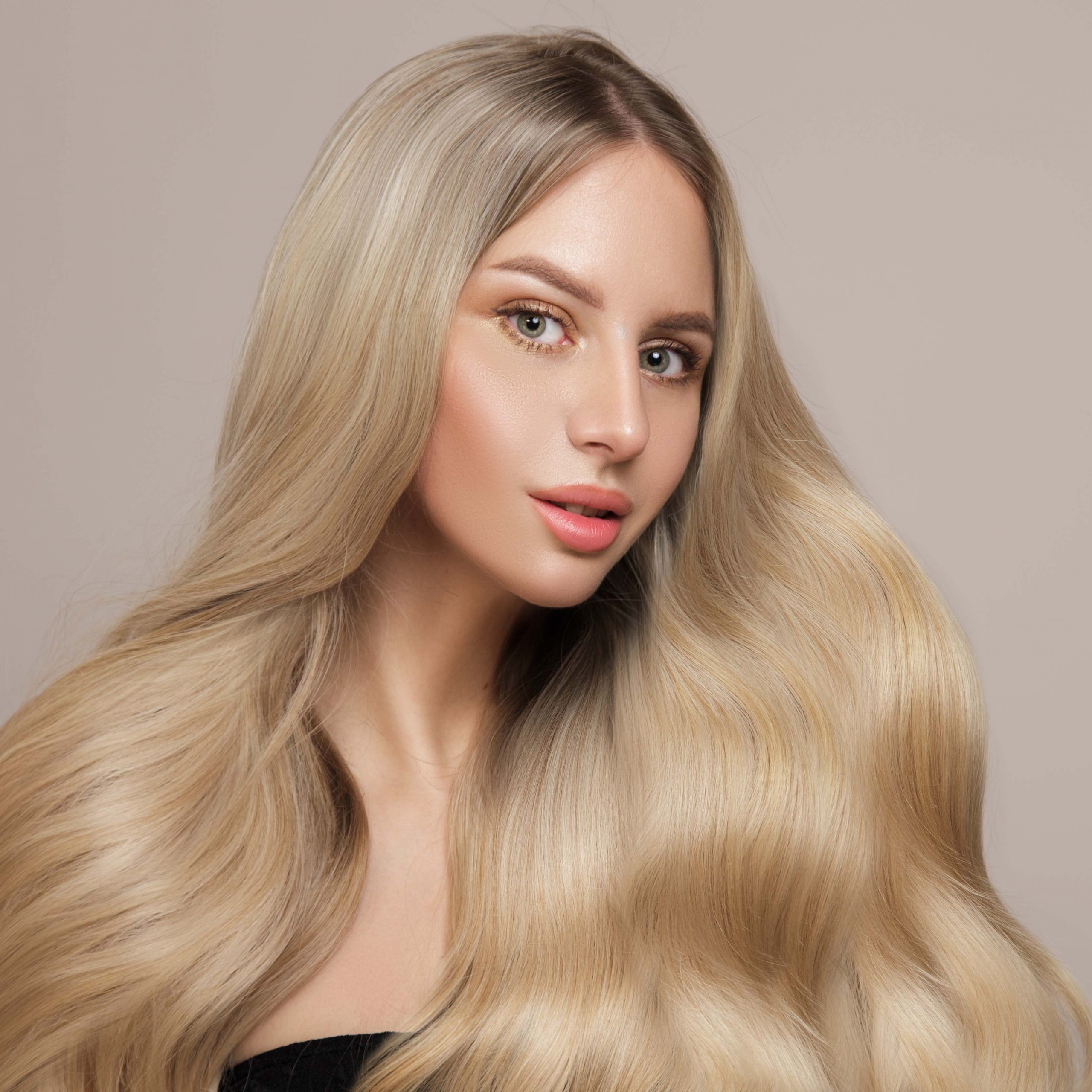
I look at this and immediately wonder how it would look on a Wednesday. The mid-back ash blonde with platinum is striking, with platinum highlights catching the light in a way that reads expensive. The long layers give thick, wavy hair room to move without looking heavy. It is a salon job, through and through.
The honest downside is the schedule. Brassiness shows up around week three, a sudden yellow that calls for a toner appointment. The voluminous blowout takes about 25 minutes and needs thick starting texture; fine hair would go flat by lunch. Ash blonde with platinum needs a toner visit every four to six weeks, no exceptions. The grow-out line is stark against mid-back length, so root touch-ups run on the same timeline. The color is the real commitment, not the cut.
Long Layers Dark Blonde With Balayage Highlights
I tried to do this at home once, and it took three months to fix. The dark blonde with balayage highlights on mid-back, wavy hair looks natural, but the technique is precise. Balayage requires the stylist to paint each section by hand, tapering the color so there is no visible root line. The back view is the real test: the color has to graduate evenly down the length.
My DIY attempt left a stripey line at the crown. A salon balayage uses a sweeping motion that deposits more color at the ends and less at the roots, creating depth. The wavy, thick texture hides the transition, but only if the placement is right. I learned that the hard way. This is a three-to-four-month refresh cycle, not a grow-out you can ignore.
Peach Blonde Shag With Bangs

Can you pull off peach blonde hair with full bangs? The vibrant peach works best on medium-density, wavy hair that gives the shag its lived-in movement. Collarbone length keeps the bangs from overwhelming a heart or oval face. The technique is a root shadow with peach tones painted through the mid-lengths, so the grow-out stays soft. If your hair is fine and straight, the shag can fall flat and the bangs can separate by noon. Skip it if you hate frequent trims.
Neutral Blonde With Ash Undertones
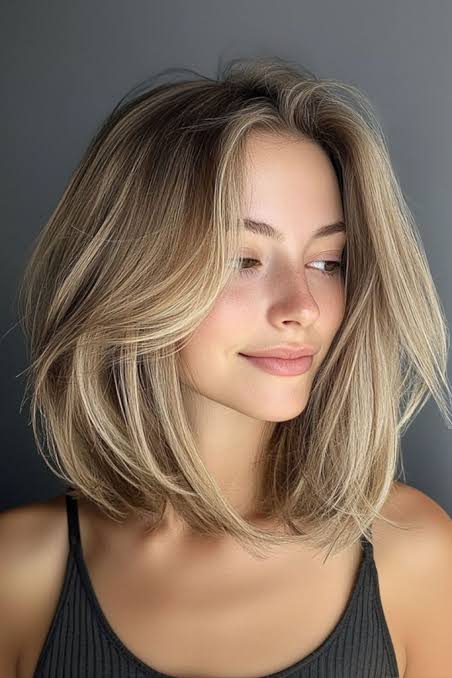
How do you get a cool, neutral blonde without it turning muddy? Start with a neutral base shade, then weave ash undertones through the mid-lengths and ends. Lighter blonde highlights add dimension without warmth. The curtain bangs are strategic: they frame the face and let the color hit the front, where it reads coolest. On a chin-length lob with straight-to-wavy texture, the ash undertones stay visible without washing you out. This isn’t a one-session job; it takes a stylist who can neutralize warmth while keeping depth. The result is a winter blonde that doesn’t scream yellow, and the curtain bangs make sure everyone notices it.
Vibrant Copper Red Curls
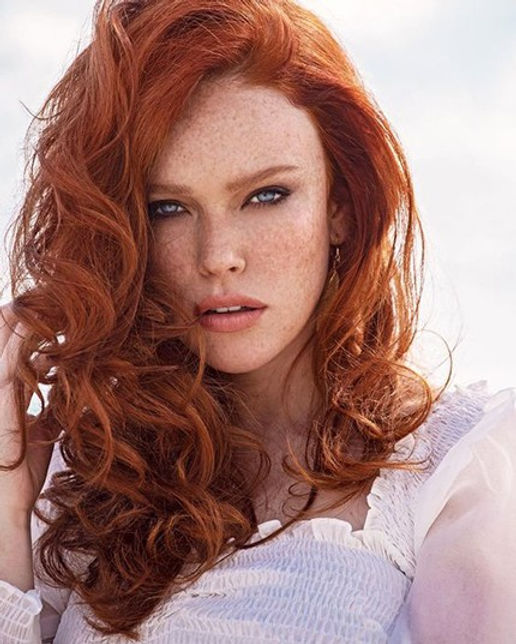
I’ll confess I booked this vibrant copper red knowing it would fade. Shoulder-length layers and loose curls show off the intense red beautifully for the first week, then the wash-out starts. Wavy, thick hair holds pigment better than fine hair, but every shower sends some copper down the drain. By week three the tone shifts from fiery to rust. The middle part and layered movement help hide the uneven fade, but you’ll need a color-depositing conditioner to stretch the vibrancy past week two.
The upkeep is real. A trim every eight weeks keeps the layers from looking ragged, and a color refresh is non-negotiable if you want that first punch. Skip this if you hate maintenance or if your water is hard.
Deep Red Wavy Bob

The saturation is the trick. A deep red wavy bob at chin length depends on a single-process color applied to pre-lightened or virgin hair to get that opaque, vibrant depth. The side-swept bangs break the line of the bob so it doesn’t read severe. Medium density is ideal: too fine and the color looks flat, too thick and the wave pattern competes with the cut. The application needs full saturation from root to tip, with enough processing time to stain each strand all the way through.
Rose Gold Lob With Curtain Bangs

Rose gold is the winter color that actually works. It’s playful enough for holiday parties yet polished enough for the office. On a collarbone lob with soft waves and curtain bangs, the rose gold reads warm and dimensional against winter skin. The tone is pink-copper, not bubblegum, so it flatters both cool and warm undertones. It’s a seasonal statement that never looks like a costume.
Medium Brown With Subtle Blonde Highlights
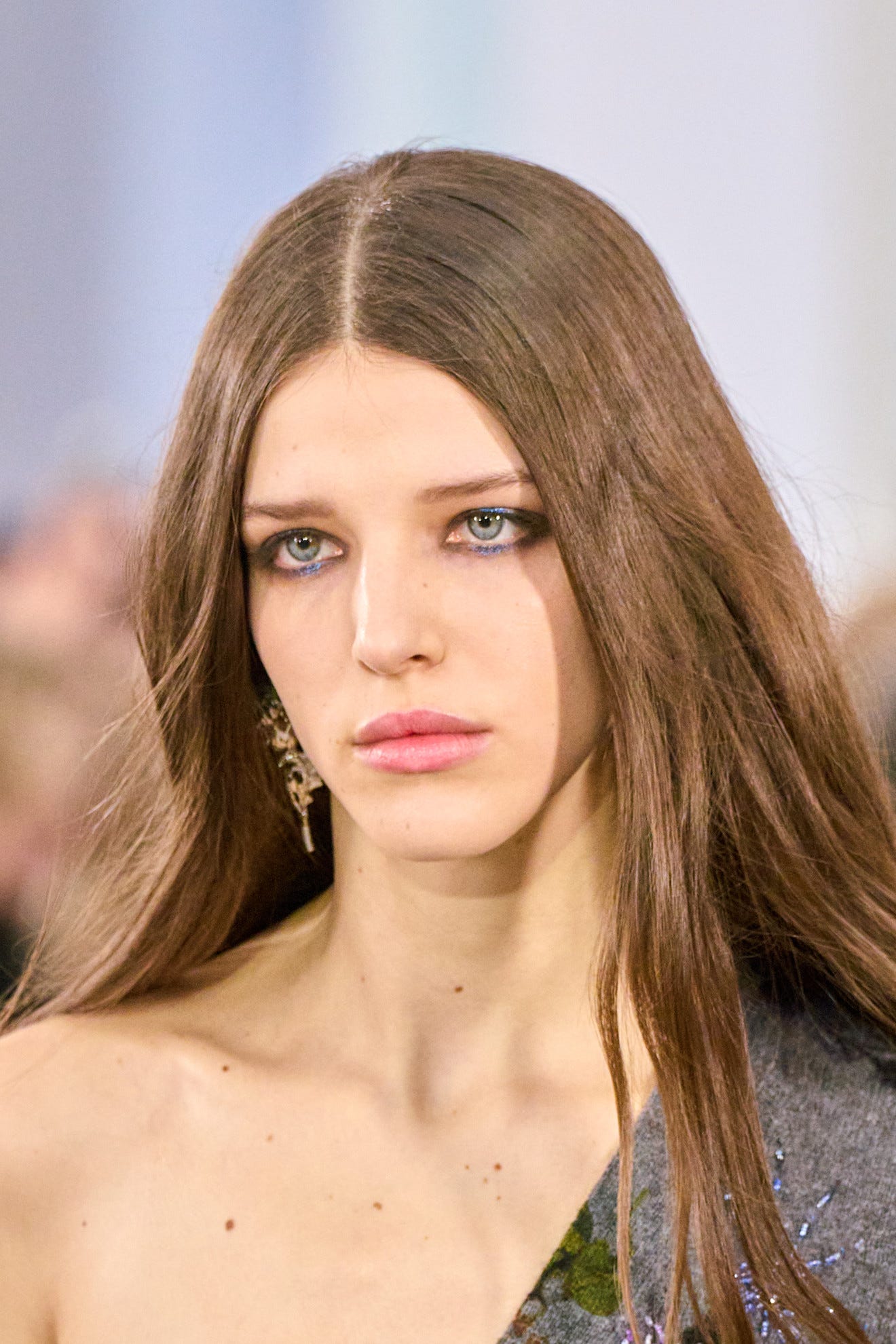
I’ll admit I was drawn to the idea of subtle blonde highlights on medium brown hair. The promise is dimension without drama. On straight, thick hair at mid-back length, the highlights are barely there: a few lighter strands around the face and scattered through the lengths. No bangs, just a clean middle part.
Here is the honest downside: subtle highlights brass faster than you expect. Without regular toning, the blonde pieces can turn yellow by week four. A purple shampoo helps stretch it, but brassiness still creeps in. This color works best if you are fine with a slightly warmer tone after a month, or if you commit to a toning schedule.
Ash Blonde With Icy Silver Highlights
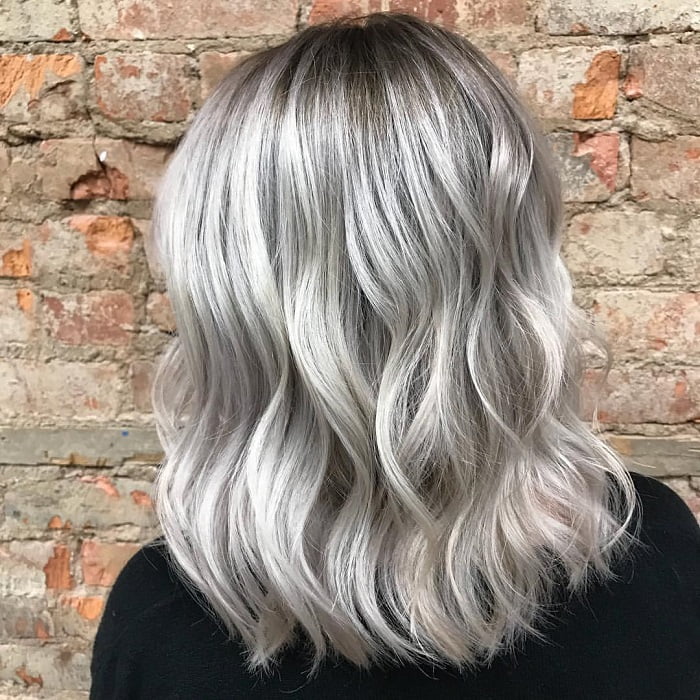
I didn’t think ash blonde with icy silver could look this wearable. The technique starts with a cool ash base, then icy silver highlights are painted through layers at collarbone length. The tone makes it work: cold enough to read silver, not gray. On medium-density wavy hair, the contrast between ash and silver creates movement without looking striped. Each highlight is angled to catch light from a different direction. A loose-wave blowout takes about twenty minutes and shows off the dimension best. This is not a bathroom-mirror job. The toning needs a professional who knows how to keep the silver from going muddy. When it works, it’s striking; when it doesn’t, it’s a mess.
Ash Blonde Shag With Curtain Bangs
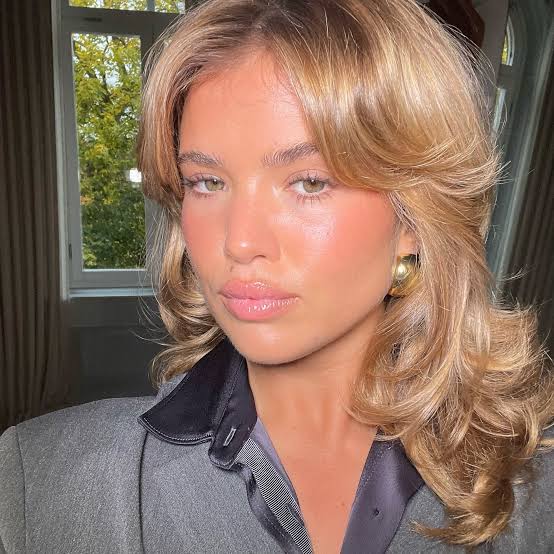
Who can pull off an ash blonde shag with curtain bangs? The color works best on cool undertones, and soft, blended ash tones read clean rather than dull. The shag needs medium-density wavy hair to hold its layers. Fine hair may fall flat, and tight curls can get lost in it. Curtain bangs soften a round or heart-shaped face and draw attention to the eyes. Shoulder length keeps it wearable and not too heavy. If your hair is thin or stick-straight, skip the shag and try a lob instead. This look is for anyone who wants movement without daily styling.
Dark Brown With Caramel Dimension
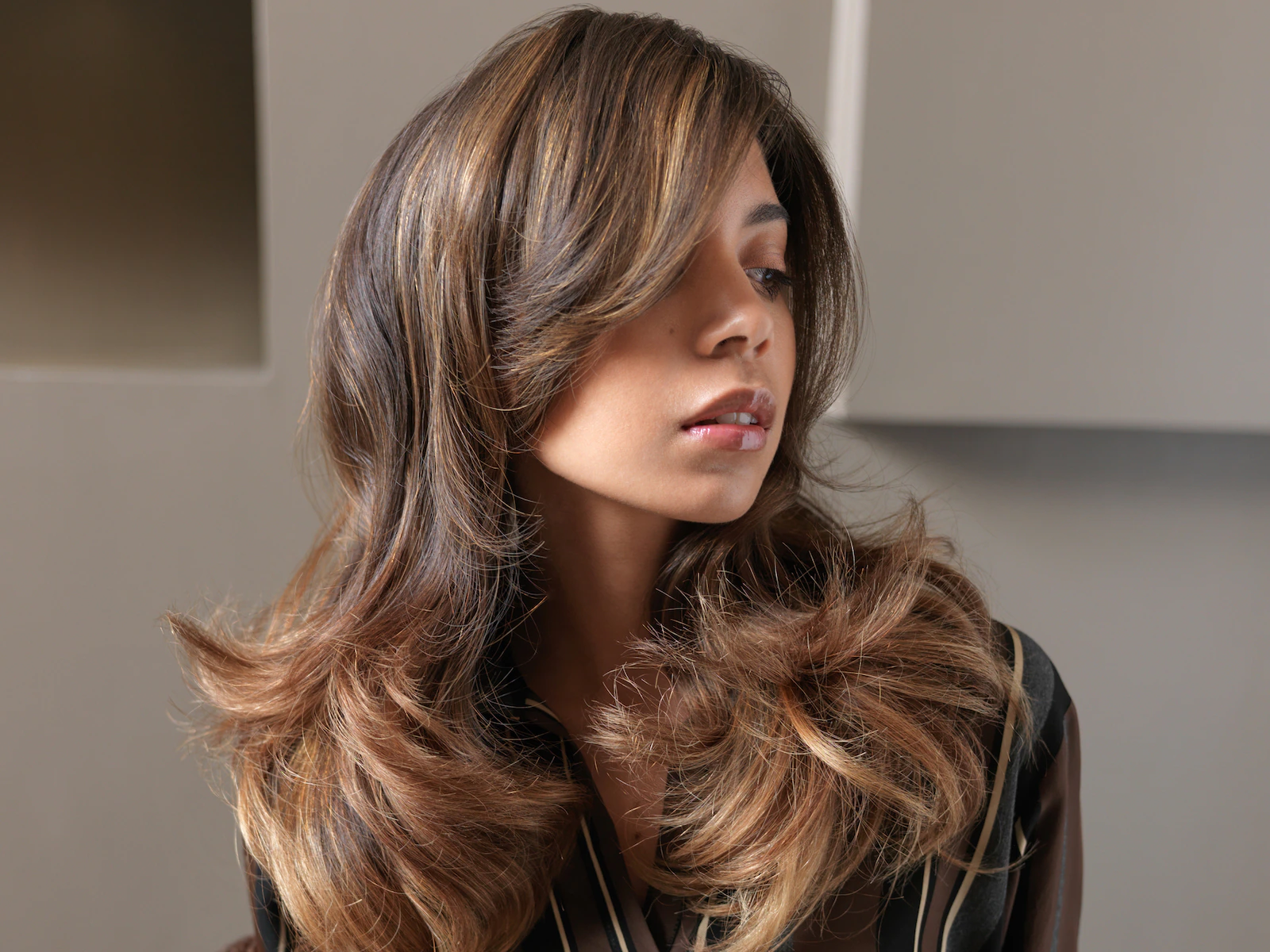
Why does dark brown with caramel dimension feel like the official color of December? The answer is the contrast between the deep base and the warm caramel highlights. The caramel is woven through long layers that hit mid-back length on thick, wavy hair. The tone lands somewhere between toasty and sweet, never flat. It catches candlelight at holiday dinners and still looks polished under office overheads.
The seasonal appeal is obvious: it matches winter’s cozy textures without trying too hard. Voluminous curls take about twenty-five minutes to style, and the blowout holds well on thick hair. The caramel highlights sit close to the face, which warms up the whole look. It’s the color you wear to a holiday party when you want to look put together without announcing it. The base stays dark, so grow-out is forgiving, and a refresh every three to four months keeps the dimension alive.
Copper Red With Lighter Red Highlights
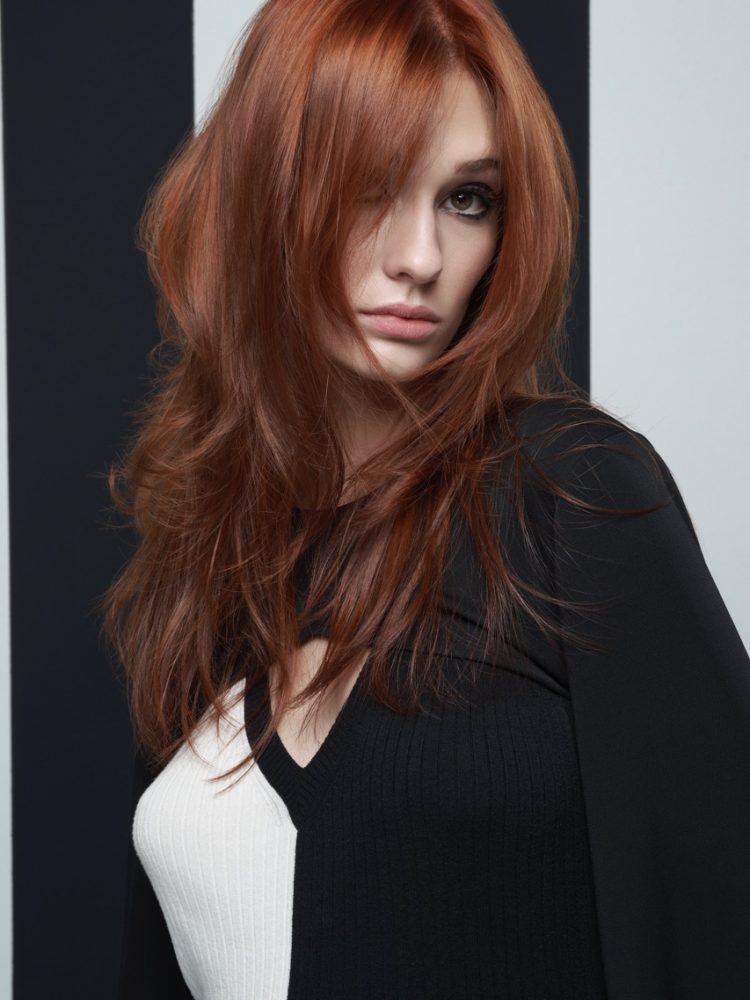
Copper red with lighter red highlights asks for real time in the chair. The vibrant copper base is a single process, but the lighter red highlights need a second round of color to lift the strands a shade. On collarbone-length wavy, thick hair with side-swept bangs, the result is voluminous and multi-dimensional, and it catches the winter light. Plan for about three hours and keep a color-depositing conditioner in your shower caddy.
Platinum Blonde Bob
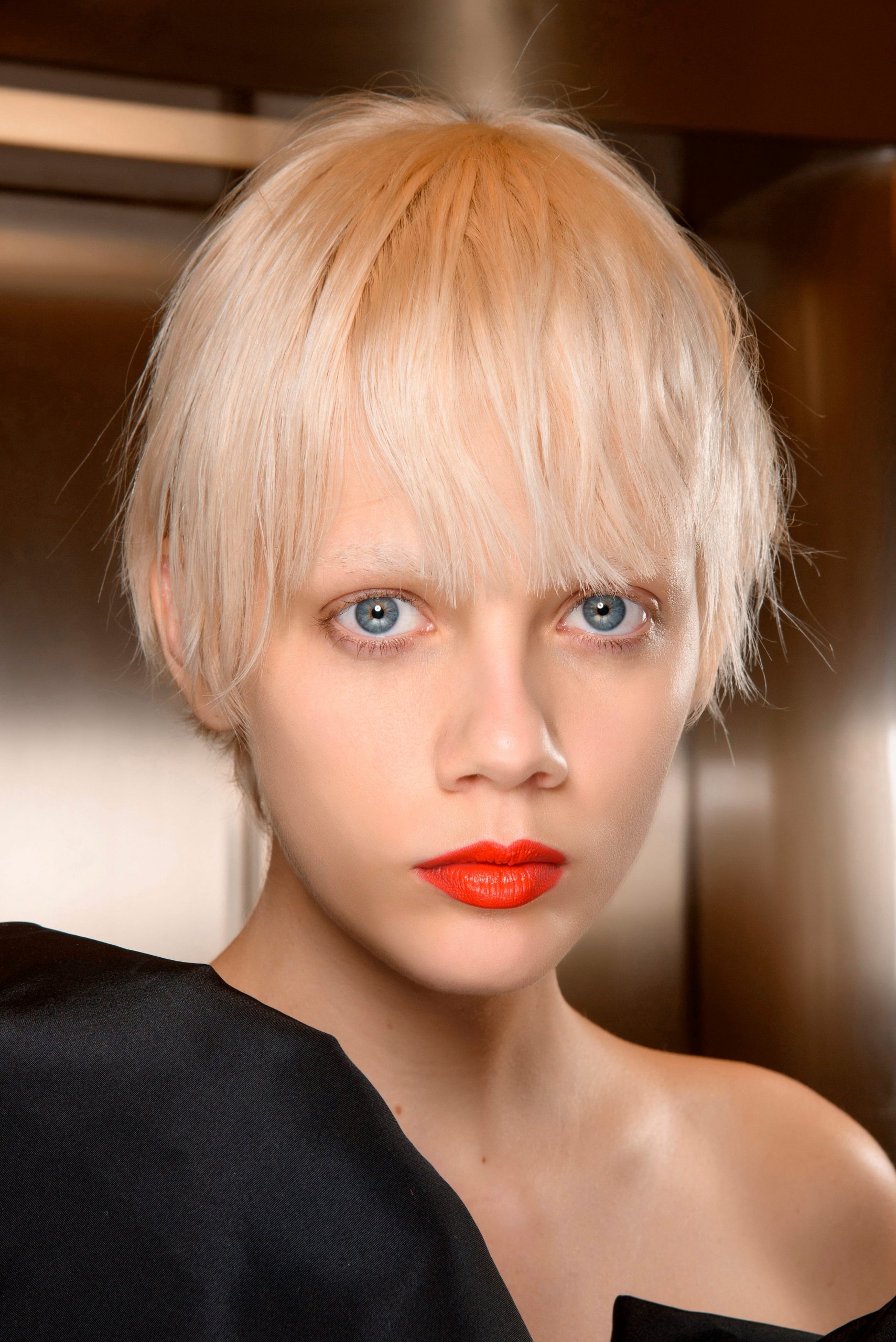
Can a platinum blonde bob really look this good without a salon visit? On fine, straight hair, no. Platinum demands professional lightening, and one wrong bleach session leads to breakage, not a bob. The ash undertones keep it from reading yellow, but that balance is a stylist’s job, not something a box dye can do. This chin-length cut lives or dies on precision: blunt lines need a sharp blade, and fine texture shows every uneven edge. Book it, and bring a photo of the exact tone you want.
Warm Brown With Caramel Highlights
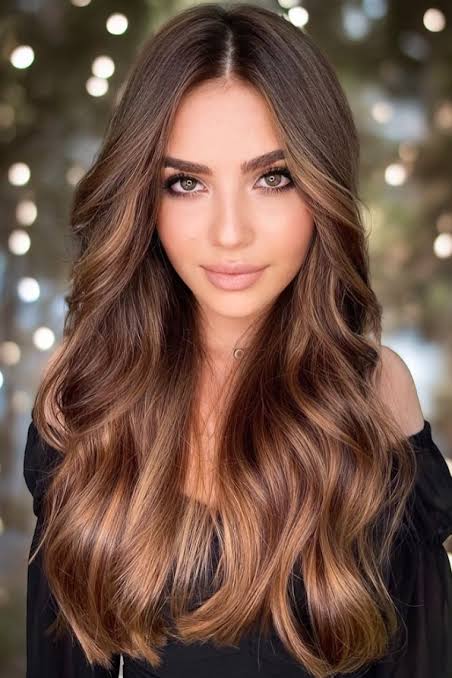
Caramel highlights beat honey blonde for winter, and here’s why. The warm brown base holds depth against dark coats and low light, while caramel highlights add dimension without screaming summer. On thick, wavy hair at mid-back length, the loose waves catch each highlight differently. The technique is hand-painted foil placement rather than a cap pull, so the tone stays soft and blended and reads warm without going brassy.
Upkeep is manageable. The highlights need a refresh every three to four months, and the base grows out gently because the brown sits close to natural. A trim every 10 to 12 weeks keeps the layers from tangling. If you want a winter color that doesn’t demand a monthly salon visit, this is the one. It works on straight hair too, but the waves give the caramel more movement.
Vibrant Cherry Red With Burgundy
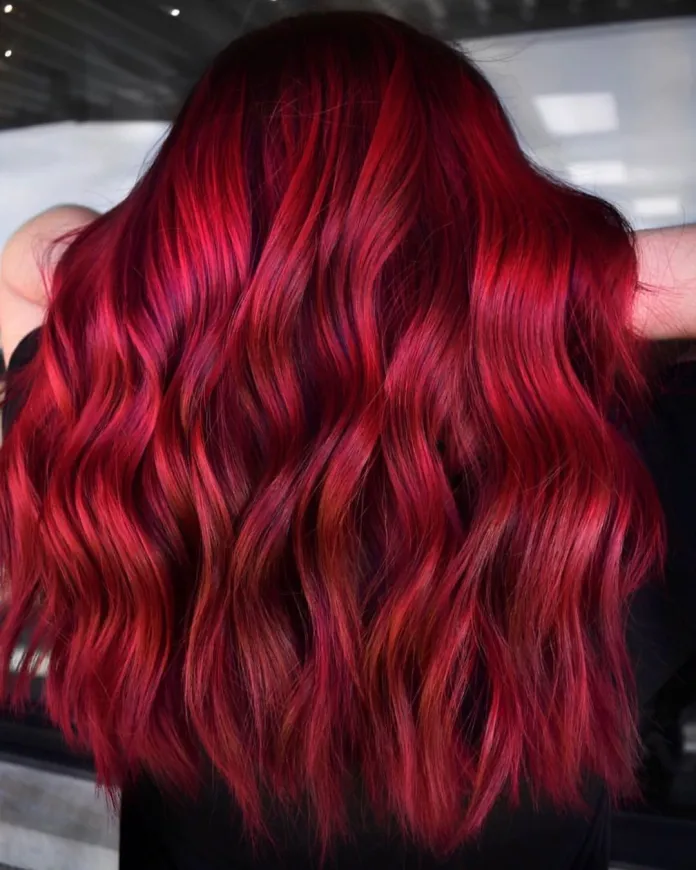
I’ll admit I wanted cherry red with burgundy undertones to be low-maintenance. It isn’t. The vibrant cherry base fades fast; the first wash turns the water pink. The deep burgundy undertones last a little longer, but they shift to a dull brown if you skip maintenance. On thick, wavy hair at mid-back length, the loose waves show the multi-tonal effect well: the cherry sits on the surface and the burgundy lives in the depths. The technique is a double process, a red base followed by a burgundy gloss, and that gloss buys you about four weeks of true tone.
The honest downside is the shower routine. You need a color-depositing shampoo and cool water every wash, since hot water strips red within days. A trim every eight to ten weeks keeps the ends from looking faded, because red shows damage faster than any brown. If you love the color more than you dread maintenance, go for it. Otherwise, a cherry gloss over your natural base gives you the same vibe with less commitment.
Ash Blonde With Lighter Blonde Highlights
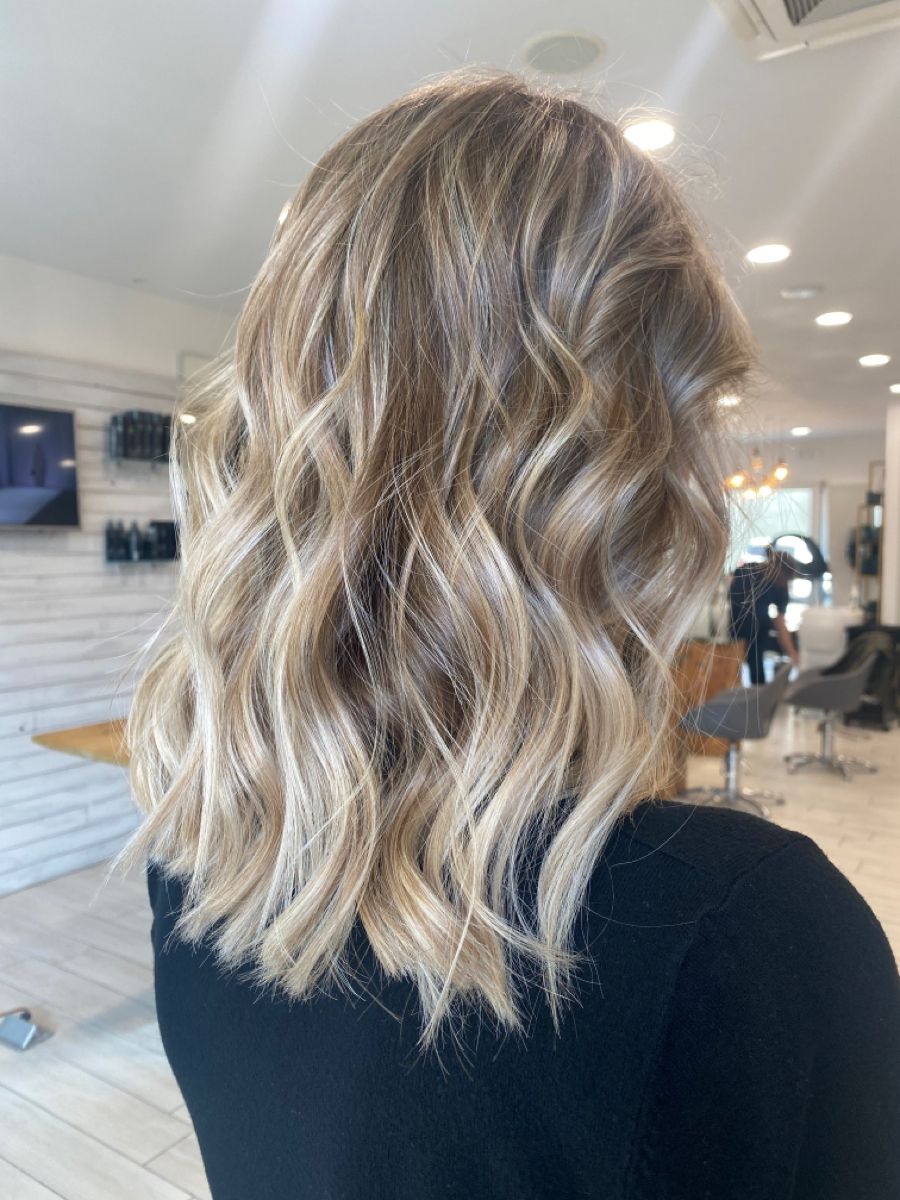
Ash blonde with lighter highlights is not a low-maintenance color. The cool ash tone is built with a double process, first a lift and then a toner, and it sits on collarbone-length wavy hair with curtain bangs. The lighter highlights are woven in to prevent that flat, one-dimensional look. This is a salon-only job, and the toner fades in about four weeks, so plan the follow-up before you leave.
Icy Platinum Blonde With Ash
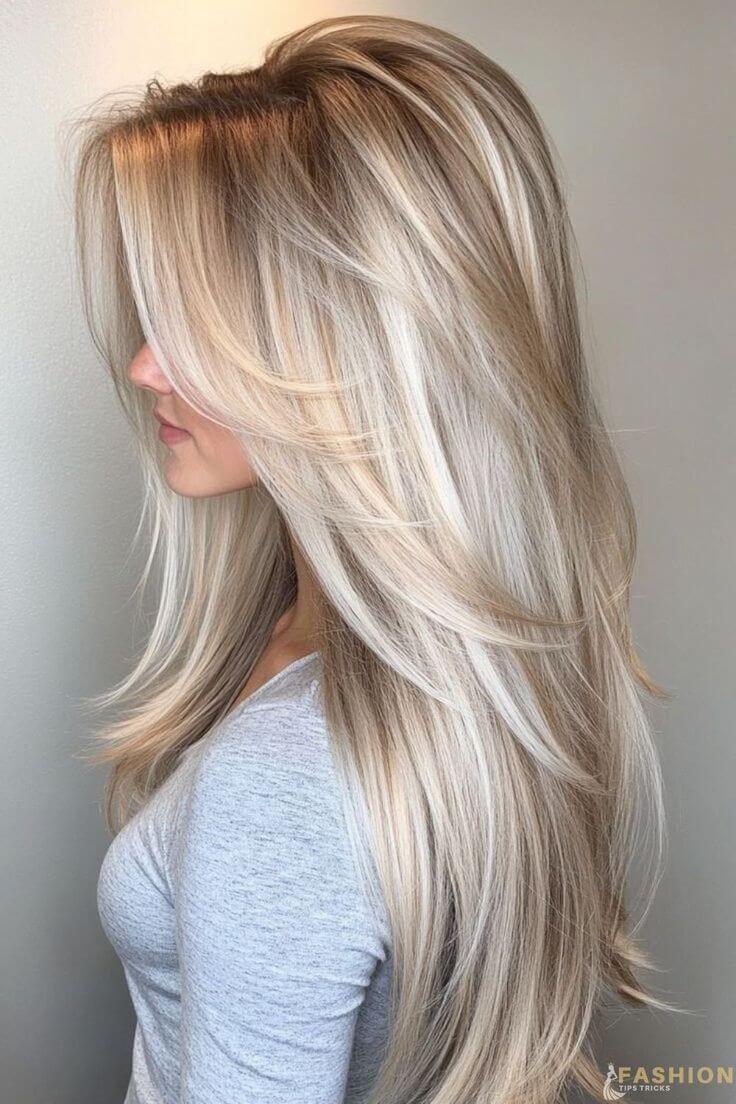
Icy platinum blonde isn’t something you wake up with. This mid-back length starts with a double-process bleach that lifts the hair to pale yellow, then a cool ash toner cancels the warmth. The long layers and face-framing pieces are cut before the color, since the bleach needs to hit each section evenly. Fine, straight texture takes toner well, but the process is brutal, and bond protectors are non-negotiable between rounds. Ash undertones keep it from turning yellow around week two, which is when most platinum starts to look brassy. A middle part and straight styling show every bit of the icy finish, while the layered movement keeps it from looking flat.
Dark Base With Red Violet Highlights
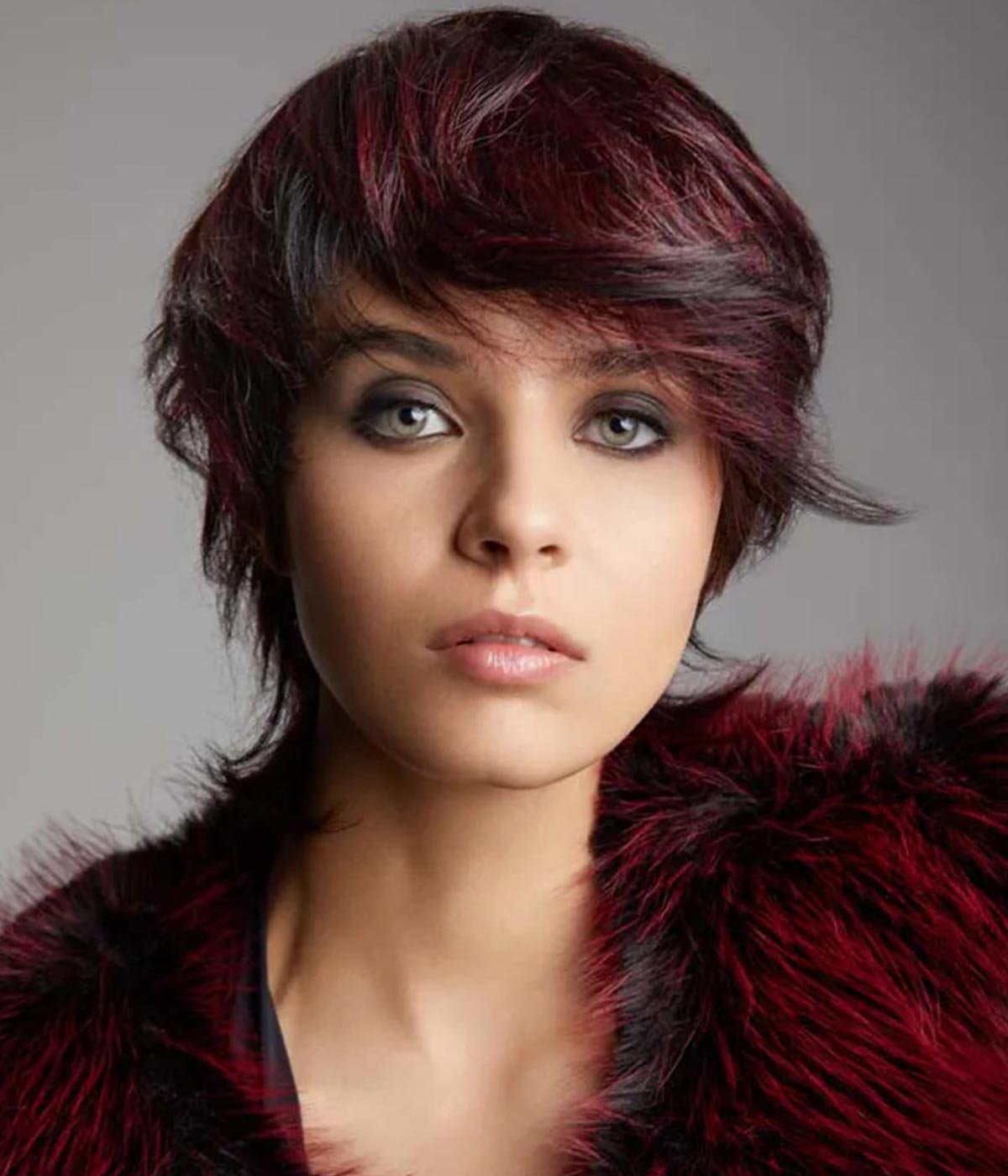
I was skeptical about red and violet streaks on a dark base. The color is striking, deep red and violet against a dark base, but how long does it last? On a fine, straight pixie shag, the vibrant streaks fade noticeably within a few washes. A salon application ensures precise placement, but you’ll need a color-depositing shampoo at home so the red and violet don’t turn muddy. The tone is bold, and it asks for maintenance in return.
Rich Chestnut Brown
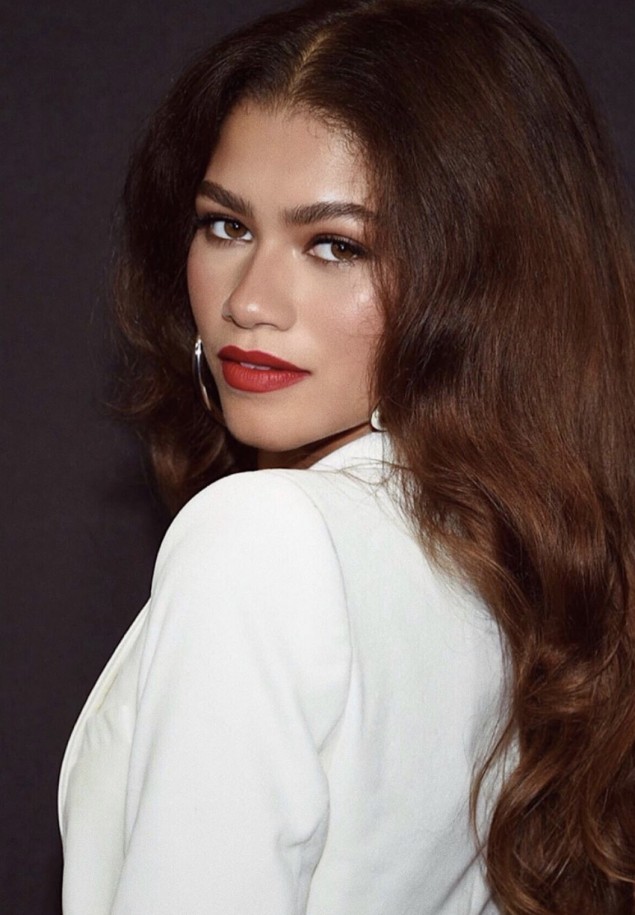
This is the brown that beats every other winter brown I’ve tried. The rich chestnut is deep and warm, a single-process all-over color that lands somewhere between chocolate and mahogany. On mid-back, wavy, thick hair, it catches light without turning brassy. No highlights, no balayage, just one saturated shade doing the work. Other winter browns lean too red or too ashy; this one stays neutral-warm and reads expensive from every angle. The depth of this chestnut sets it apart from lighter browns that wash out by February, and it catches light differently than caramel, which can look flat in winter daylight.
- Mid-back length with long layers
- All-over rich chestnut brown, warm tone
- Wavy, thick texture
- Loose waves, middle part
- Ask your stylist for a deep chestnut color with no dimension
Compared to caramel or auburn, this shade stays rich without shifting red. It looks expensive in low light and even better in sun. If you want a winter color that needs no second thought, this is it.
Copper With Rose Gold Undertones
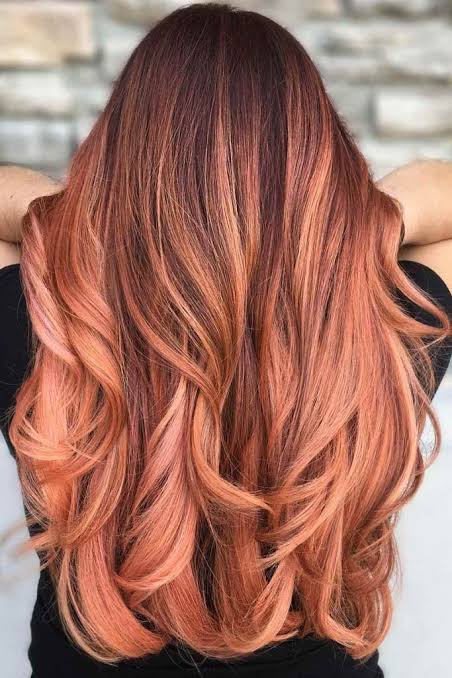
Copper with rose gold undertones feels like a holiday party in hair form. The vibrant copper base hits first, then the rose gold undertones shift in low light, a dual-tone effect standard copper can’t pull off. On thick, wavy hair at mid-back length, the loose curls catch both shades and look layered even without a heavy balayage. The technique is a gloss over a pre-lightened base, so the rose gold reads as a tone, not a stripe. It suits winter because the warm pigments push back against the gray of January skies.
The upkeep list is short but specific: a color-depositing conditioner every other wash, a weekly deep mask to keep the cuticle sealed, and a trim every 10 weeks to stop split ends from the pre-lightening. Skip purple shampoo, since it mutes the rose gold. Use a copper-enhancing one instead.
Dark Blonde Balayage With Honey Highlights
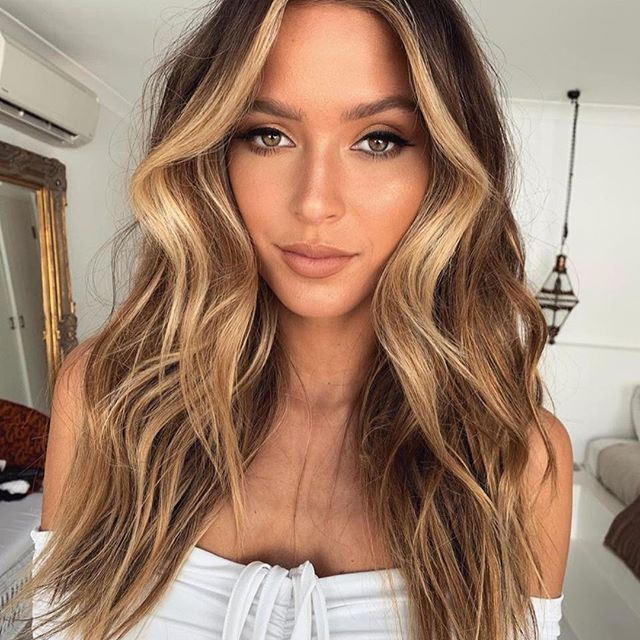
The face-framing highlights in this dark blonde balayage do their job: they soften a middle part and add dimension to mid-back length on thick, wavy hair. The honey blonde pieces are painted on rather than foiled, so the grow-out looks gradual. It is one of the best face-framing options in this roundup. Oval and heart-shaped faces tend to suit it most, since the lighter pieces land right where they help. If your hair is fine, skip it; the contrast can feel too heavy.
Mid-Back Dark Brown With Blonde Balayage
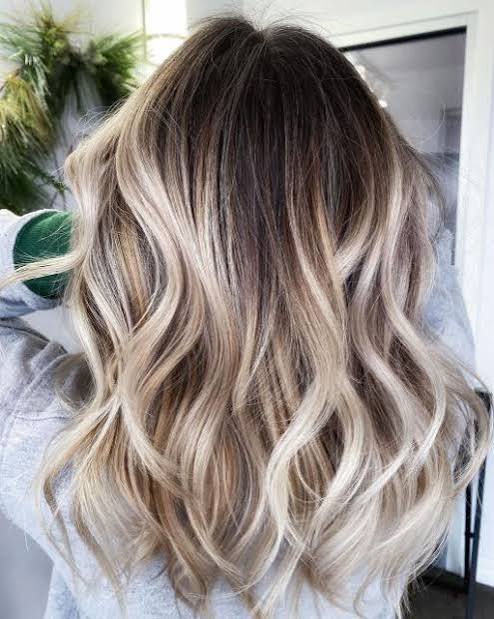
The contrast here is deliberate: a dark brown base against a blonde balayage that starts mid-length. This isn’t the subtle, barely-there balayage you see in summer. It’s bolder, with blonde sweeping through the waves in thick sections. The look holds up in winter because the contrast stays visible even in low light, unlike softer blends that vanish under a coat.
Upkeep is manageable. The dark roots don’t demand a touch-up, so you can stretch balayage refreshes to every three or four months. The blonde does need attention, though: a purple shampoo every few washes keeps it from turning brassy. Trims every 10 to 12 weeks maintain the wavy shape and prevent split ends. The curtain bangs soften the contrast, making the whole look feel intentional rather than stark.
Warm Honey Blonde With Golden Highlights
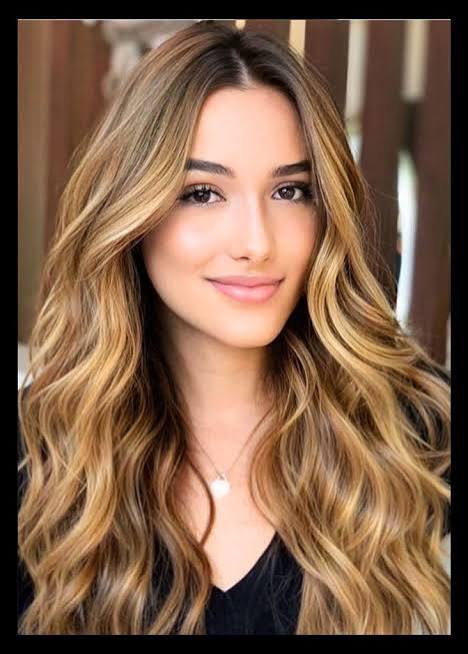
The warm honey blonde catches the light differently at 9 AM than at 5 PM. By late afternoon it looks richer and more golden, less yellow. That’s the trick with golden highlights placed through mid-back, wavy, thick hair: they shift with the environment and never sit still. The technique is subtle enough that roots take their time showing, maybe six weeks before you notice a line. The honest downside is that the warmth can drift toward brass if you skip a toner appointment. I’ve seen it go from honey to amber in a single month of neglect.
Wear and upkeep are straightforward, but not zero. The loose waves take about fifteen minutes with a curling wand, and they hold better on thick hair than fine. A trim every 10 to 12 weeks keeps the ends from looking tired. The golden highlights need minimal maintenance, maybe a toner every eight weeks to keep the tone clean. It isn’t a set-it-and-forget-it color, but it’s close. The fade is gradual, not sudden, which buys you time.
Honey Blonde Bob With Blunt Bangs
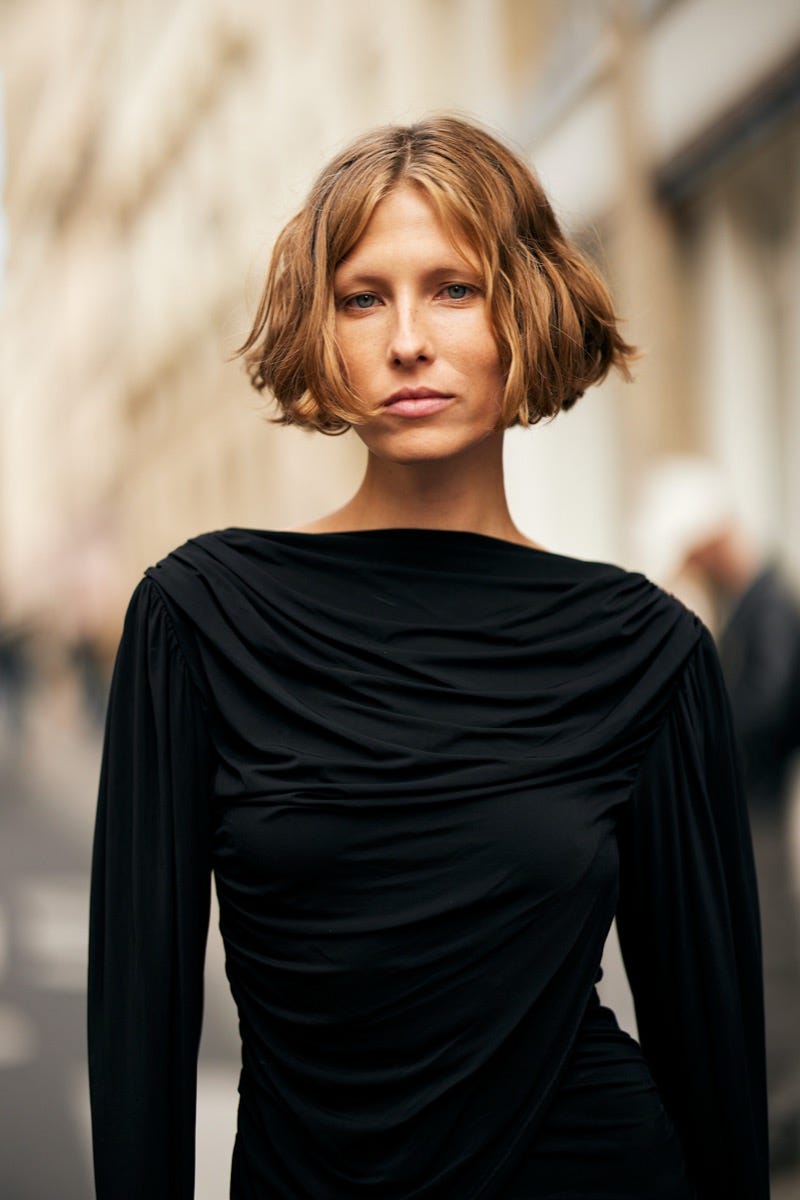
This cut doesn’t forgive a weak chin or a round hairline. The honey blonde bob with bangs at ear length puts every line on display. The blunt bangs hit above the brows, which shortens the face visually. Fine, wavy hair works because the bob has enough body to hold its shape without looking heavy, while straight, thick hair pushes the bangs outward. The honey blonde with subtle golden highlights adds dimension, but the cut is the star.
Final Thoughts
The shift from summer’s brightness to winter’s depth is real, but it isn’t about going dark. After writing all 30 of these, I noticed the ones that work best have a grounded quality, a weight that matches the season. Next up, I’m booking the medium brown with subtle blonde highlights. It looks expensive without the six-hour commitment.
