
I’ve been watching the salon chairs fill up with requests for deeper bases and warmer tones. The shift from summer’s brightness to winter’s depth is subtle but real. It’s not about going dark, it’s about adding dimension that survives the low winter light.
These 30 Winter Hair Colors range from low-upkeep root shadows to full-blown copper commitments. Some work on fine hair that goes flat by 4 pm, others need thick density to carry the weight. I’ve tested a few myself, and I know which ones fade by week five and which hold. This is the honest rundown.
Dark Blonde Balayage With Honey Highlights
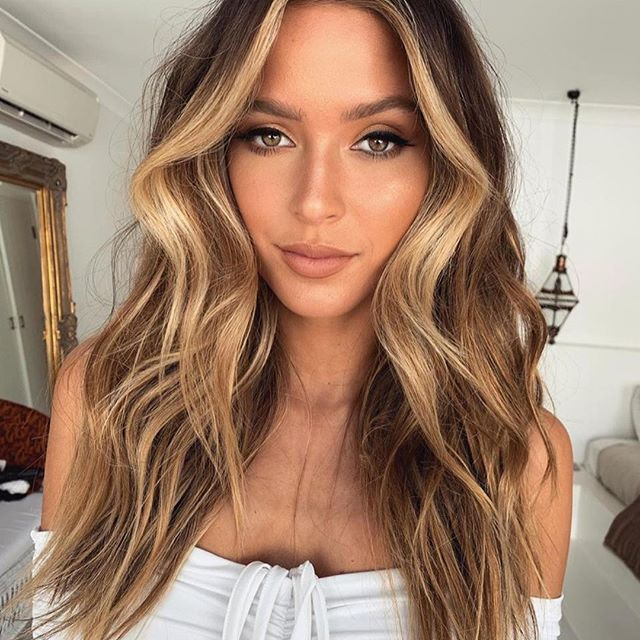
The face-framing highlights in this dark blonde balayage do exactly what they’re supposed to: soften a middle parting and add dimension to a mid-back length on wavy, thick hair. The honey blonde highlights are painted on, not foiled, so the grow-out is gradual. Best face-framing highlights in this roundup. This is a color that flatters oval and heart-shaped faces the most, because the lighter pieces sit where you need them. If your hair is fine, skip it — the contrast might feel too heavy.
Medium Brown With Warm Honey Blonde Highlights
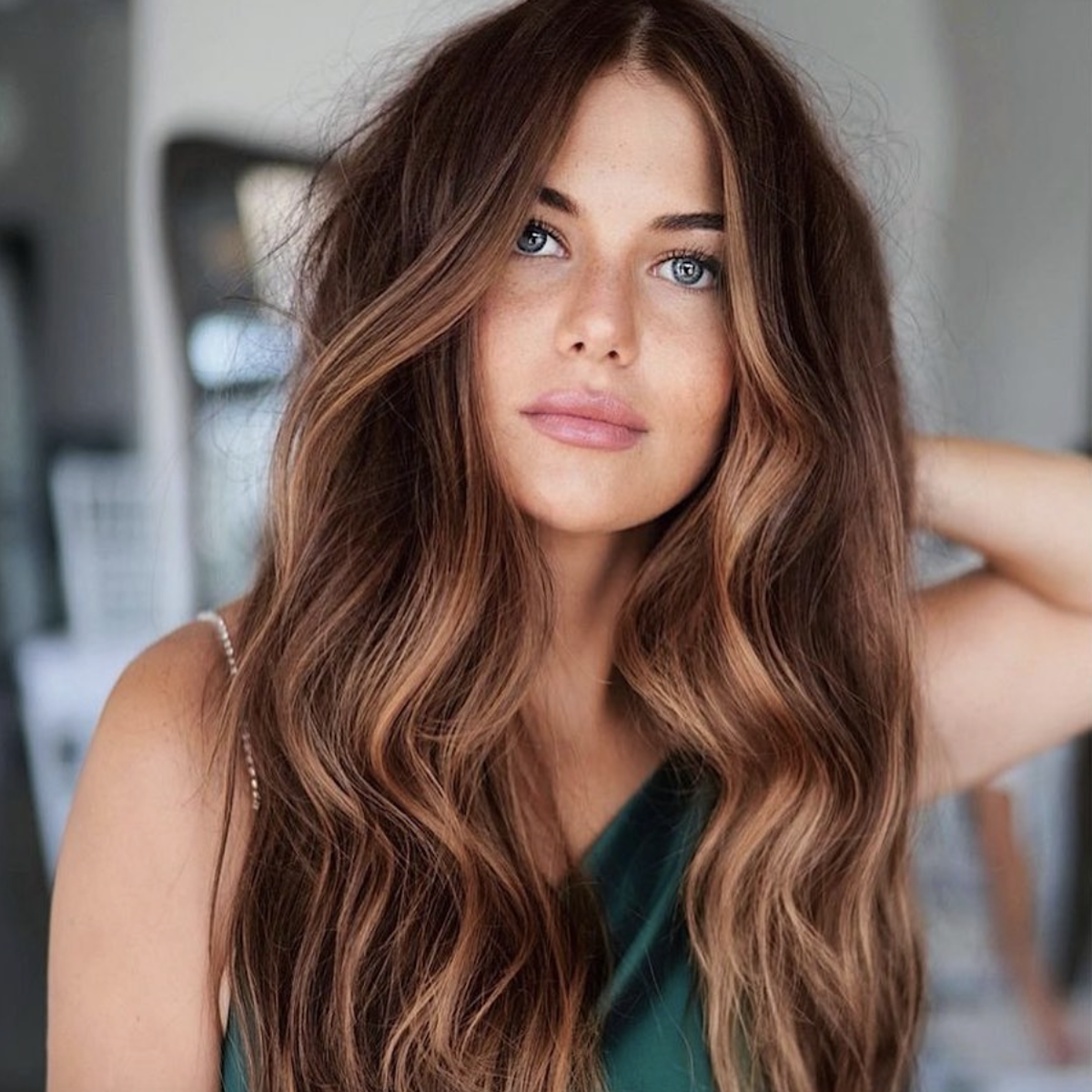
When did medium brown with honey highlights start looking this natural for winter? The warm honey blonde pieces blend into the base like they grew there, not like you spent three hours in a chair. On wavy, thick hair with curtain bangs, this is a wash-and-go color — a little wave spray and you’re done. The mid-back length keeps it practical for cold-weather layers.
Upkeep is where this earns its keep. A trim every 10 weeks keeps the curtain bangs from getting in your eyes, and the warm tone resists brassiness longer than cool blondes do. No toning appointments, just a good shampoo. That’s the real winter win.
Ash Blonde With Lighter Blonde Highlights
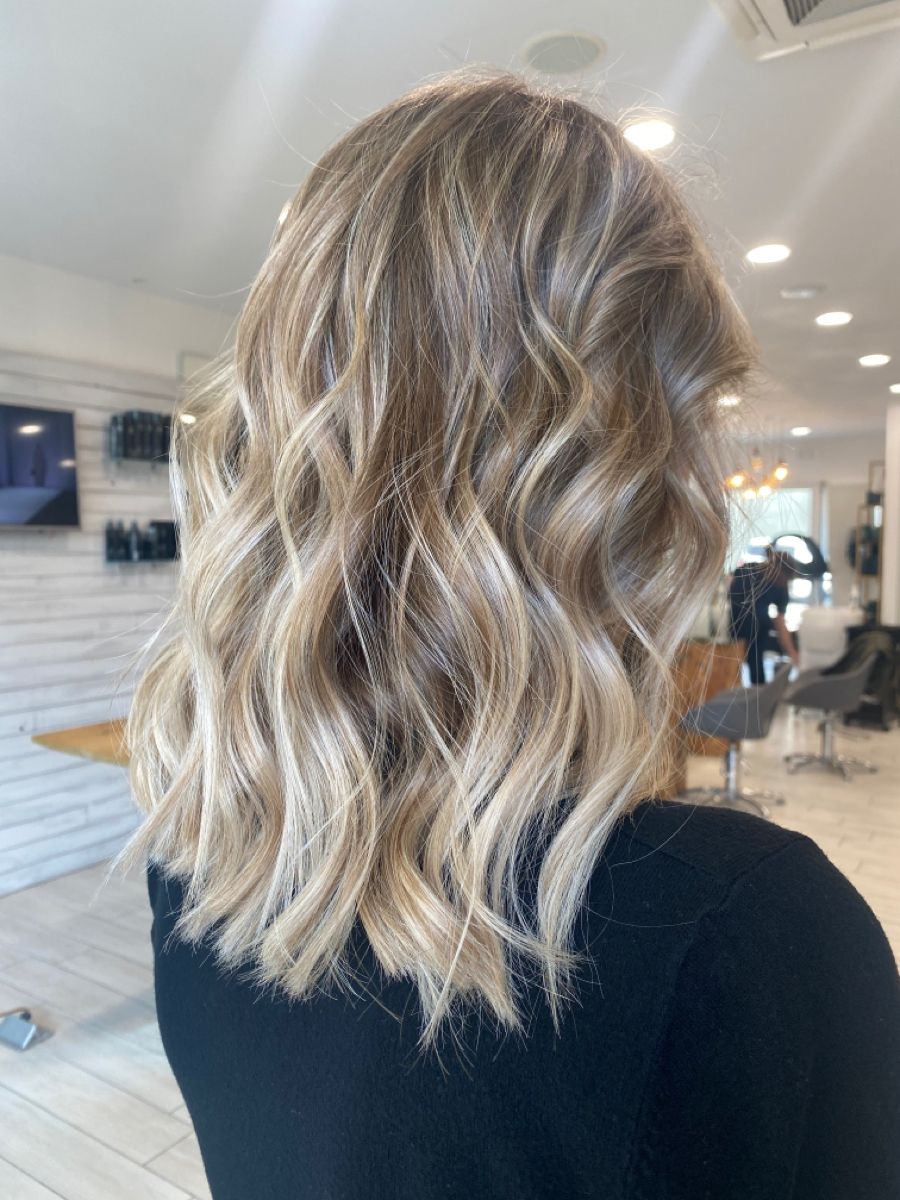
Ash blonde with lighter highlights is not a low-maintenance color. The cool ash blonde tone is built with a double process — first a lift, then a toner — and it sits on collarbone-length wavy hair with curtain bangs. The lighter highlights are woven in to prevent that flat, one-dimensional look. This is a salon-only job, and the toner fades in about four weeks. Book it, then book the follow-up.
Medium Brown With Subtle Blonde Highlights
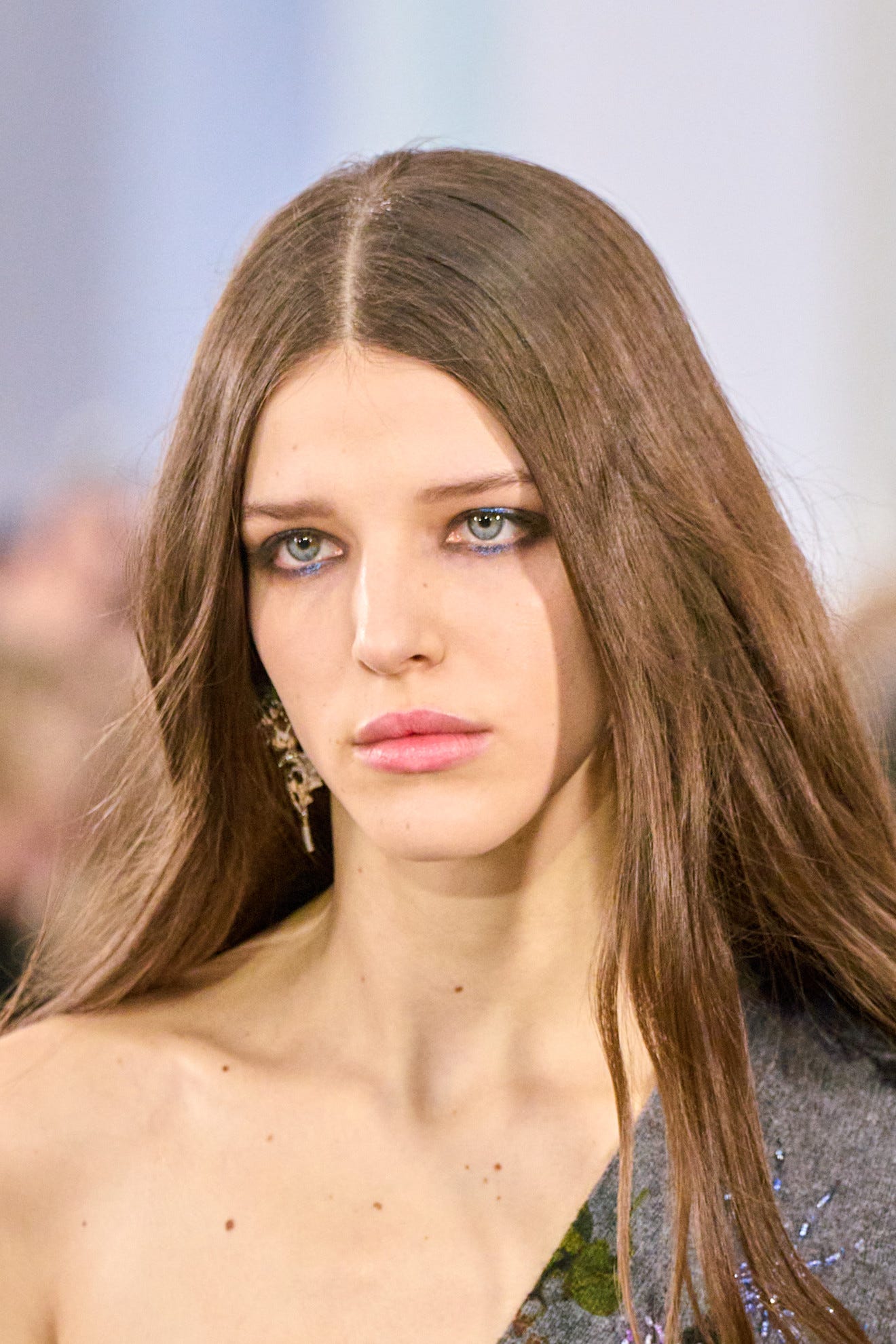
I’ll admit, I was drawn to the idea of subtle blonde highlights on medium brown hair. The promise: dimension without the drama. On straight, thick hair at mid-back length, the highlights are barely there — a few lighter strands around the face and scattered through the lengths. No bangs, just a clean middle part.
Here’s the honest downside: subtle highlights brass faster than you think. Without regular toning, those blonde pieces turn yellow by week four. You can stretch it with a purple shampoo, but the brass will creep in. This color works best if you’re okay with a slightly warmer tone after a month, or if you commit to a toning schedule.
Copper Red With Lighter Red Highlights
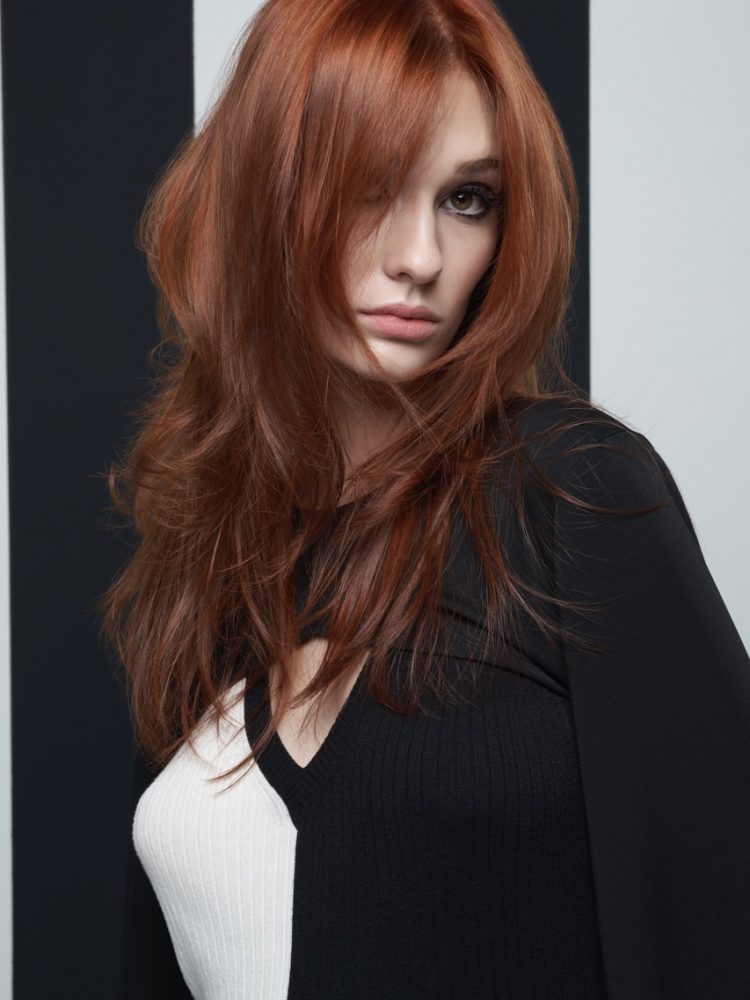
Copper red with lighter red highlights is the kind of color that demands a serious time commitment. The vibrant copper red base is a single process, but the lighter red highlights require a second round of color to lift the strands just a shade lighter. On collarbone-length wavy, thick hair with side-swept bangs, the result is a voluminous, multi-dimensional red that catches the winter light. Expect three hours in the chair and a color-depositing conditioner in your shower caddy.
Platinum Blonde Bob
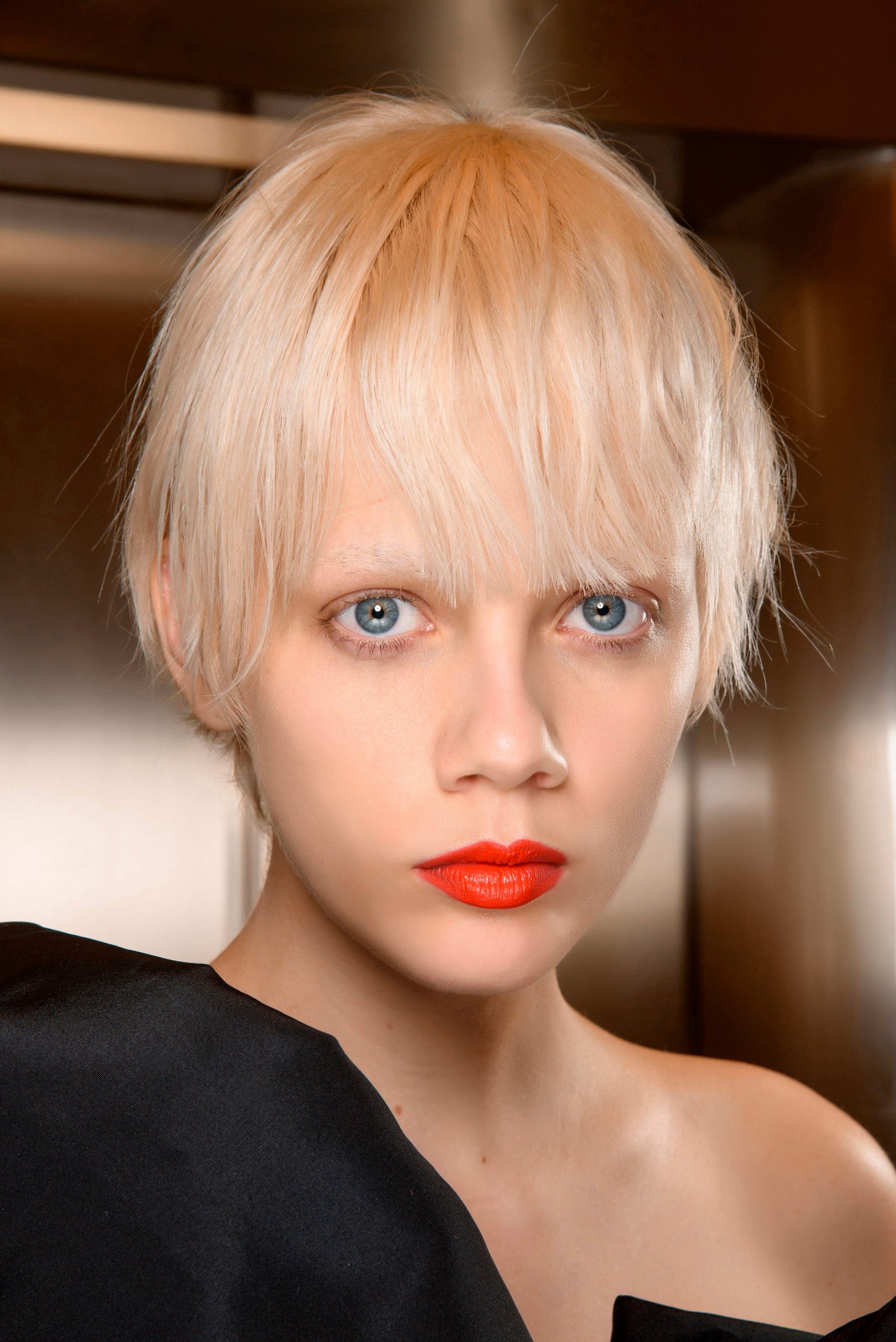
Can a platinum blonde bob really look this good without a salon visit? On fine, straight hair, the answer is no. The platinum blonde colour demands a professional lightening process — one wrong bleach session and you have breakage, not a bob. The ash undertones keep it from reading yellow, but that balance is a stylist’s job, not a box dye. This is a chin-length cut that lives or dies on precision: blunt lines need a sharp blade, and fine texture shows every uneven edge. Book it, and bring a photo of the exact tone you want.
Warm Brown With Caramel Highlights
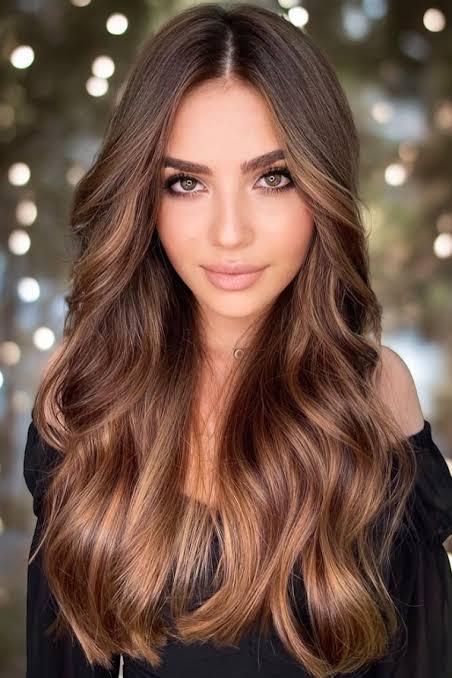
Caramel highlights beat honey blonde for winter, and here is why. The warm brown base keeps depth against dark coats and low light, while the caramel highlights add dimension without screaming summer. On thick, wavy hair at mid-back length, the loose waves catch each highlight differently — the technique is a hand-painted foil placement, not a cap pull, so the tone stays soft and blended. It reads warm without going brassy.
The upkeep is manageable. The highlights need a refresh every three to four months, and the base grows out gently because the brown is close to natural. A trim every ten to twelve weeks keeps the layers from tangling. If you want a winter colour that does not demand a monthly salon visit, this is the one. It works on straight hair too, but the wavy texture gives the caramel more movement.
Dark Blonde Balayage Lob
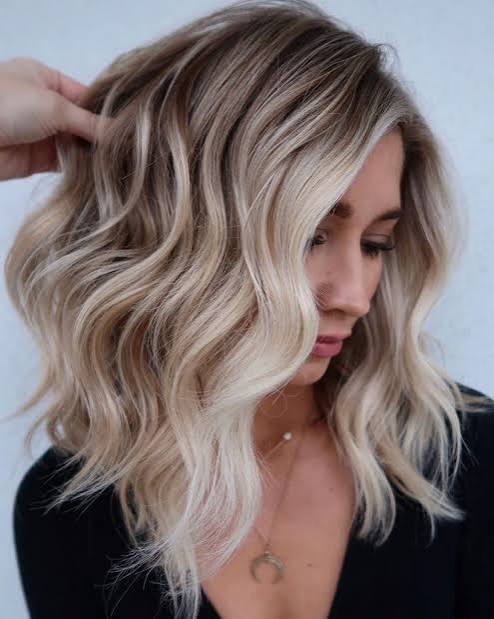
A dark blonde balayage lob works best on medium-density hair with a side part. The collarbone length keeps the cut from swallowing fine strands, and the blended balayage — painted from midshaft to ends — adds the illusion of fullness without heavy layers. The side part widens a round face, so if your face is long, try a middle part instead. The dark blonde base reads neutral, not ashy or golden, which means it suits both cool and warm skin tones. Skip this if your hair is very fine and straight; the balayage can look sparse without texture to catch it.
Copper With Rose Gold Undertones
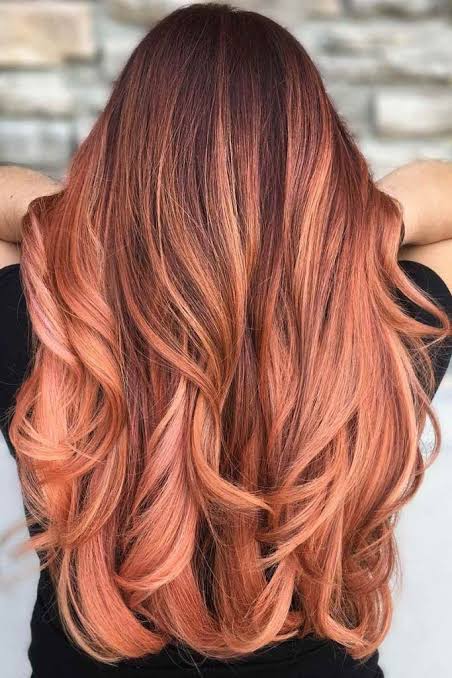
Copper with rose gold undertones feels like a holiday party in hair form. The vibrant copper base hits first, then the rose gold undertones shift in low light — a dual-tone effect that standard copper cannot pull off. On thick, wavy hair at mid-back length, the loose curls catch both colours, making the shade look layered even without a heavy balayage. The technique is a gloss application over a pre-lightened base, so the rose gold reads as a tone, not a stripe. It lands perfectly in winter because the warm pigments fight the grey of January skies.
The upkeep list is short but specific: a color-depositing conditioner every other wash, a weekly deep mask to keep the cuticle sealed, and a trim every ten weeks to prevent split ends from the pre-lightening. Skip the purple shampoo — it mutes the rose gold. Use a copper-enhancing one instead.
Vibrant Cherry Red With Burgundy
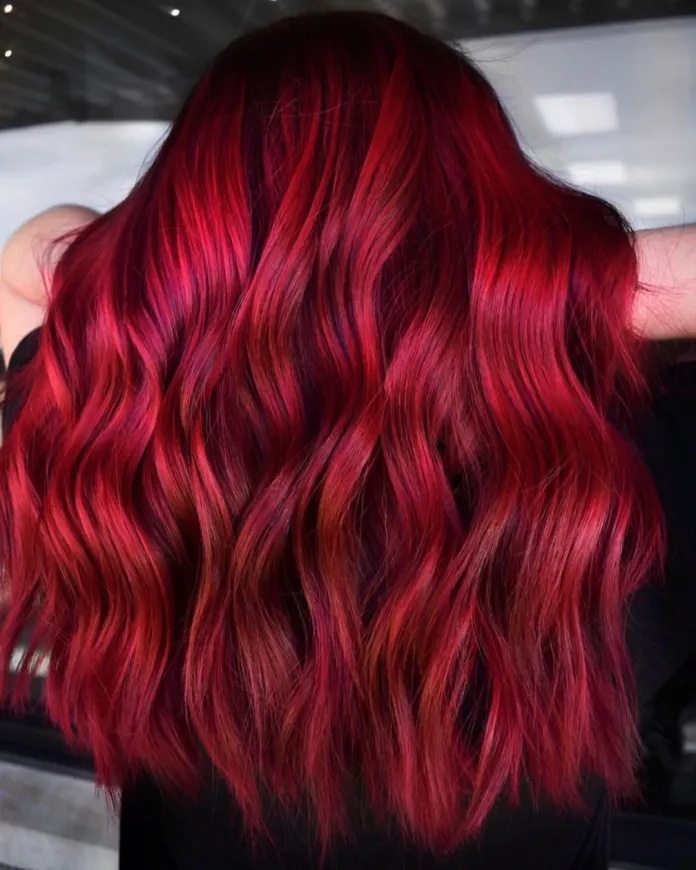
I will admit it: I wanted cherry red with burgundy undertones to be low-maintenance. It is not. The vibrant cherry red base fades fast — first wash, the water runs pink. The deep burgundy undertones last a little longer, but they shift to a dull brown if you skip maintenance. On thick, wavy hair at mid-back length, the loose waves show the multi-tonal effect well: the cherry hits the surface, the burgundy sits in the depths. The technique is a double-process: a red base followed by a burgundy gloss. That gloss buys you about four weeks of true tone.
The honest downside is the shower situation. You need a color-depositing shampoo and cool water, every wash. Hot water strips the red in days. A trim every eight to ten weeks keeps the ends from looking faded, because red shows damage faster than any brown. If you love the colour more than you hate maintenance, go for it. Otherwise, stick with a cherry gloss over your natural base — less commitment, same vibe.
Icy Platinum Blonde With Ash
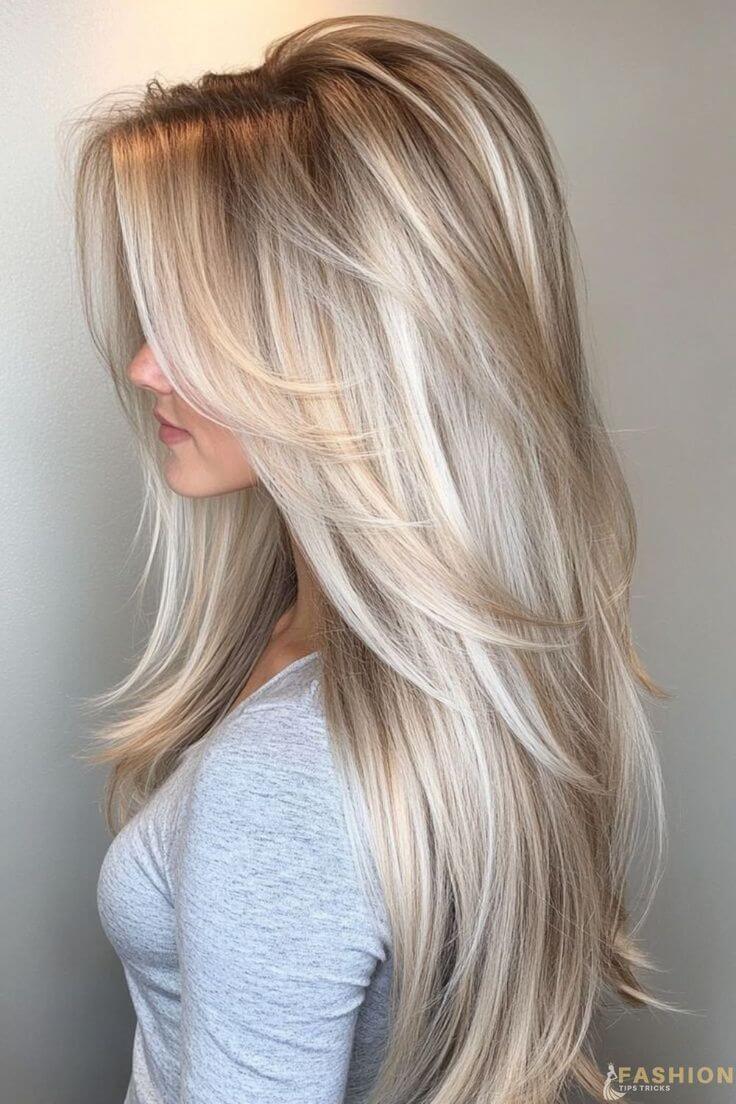
Icy platinum blonde is not a color you wake up with. This mid-back length starts with a double-process bleach to lift the hair to pale yellow, then a cool ash toner cancels the warmth. The long layers and face-framing pieces are cut before the color, because the bleach needs to hit each section evenly. Fine, straight texture takes the toner well, but the process is brutal: bond protectors are non-negotiable between rounds. Ash undertones keep it from turning yellow at week two, which is when most platinum starts to look brassy. The middle part and straight styling show every bit of the icy finish, and the layered movement keeps it from looking flat.
Peach Blonde Shag With Bangs

Can you pull off peach blonde hair with full bangs? The vibrant peach color works best on medium-density, wavy texture that gives the shag its lived-in movement. Collarbone length keeps the bangs from overwhelming a heart or oval face. The technique here is a root shadow with peach tones painted through the mid-lengths, so the grow-out is soft. If your hair is fine and straight, the shag can fall flat and the bangs separate by noon. Skip it if you hate frequent trims.
Soft Beige Blonde Lob
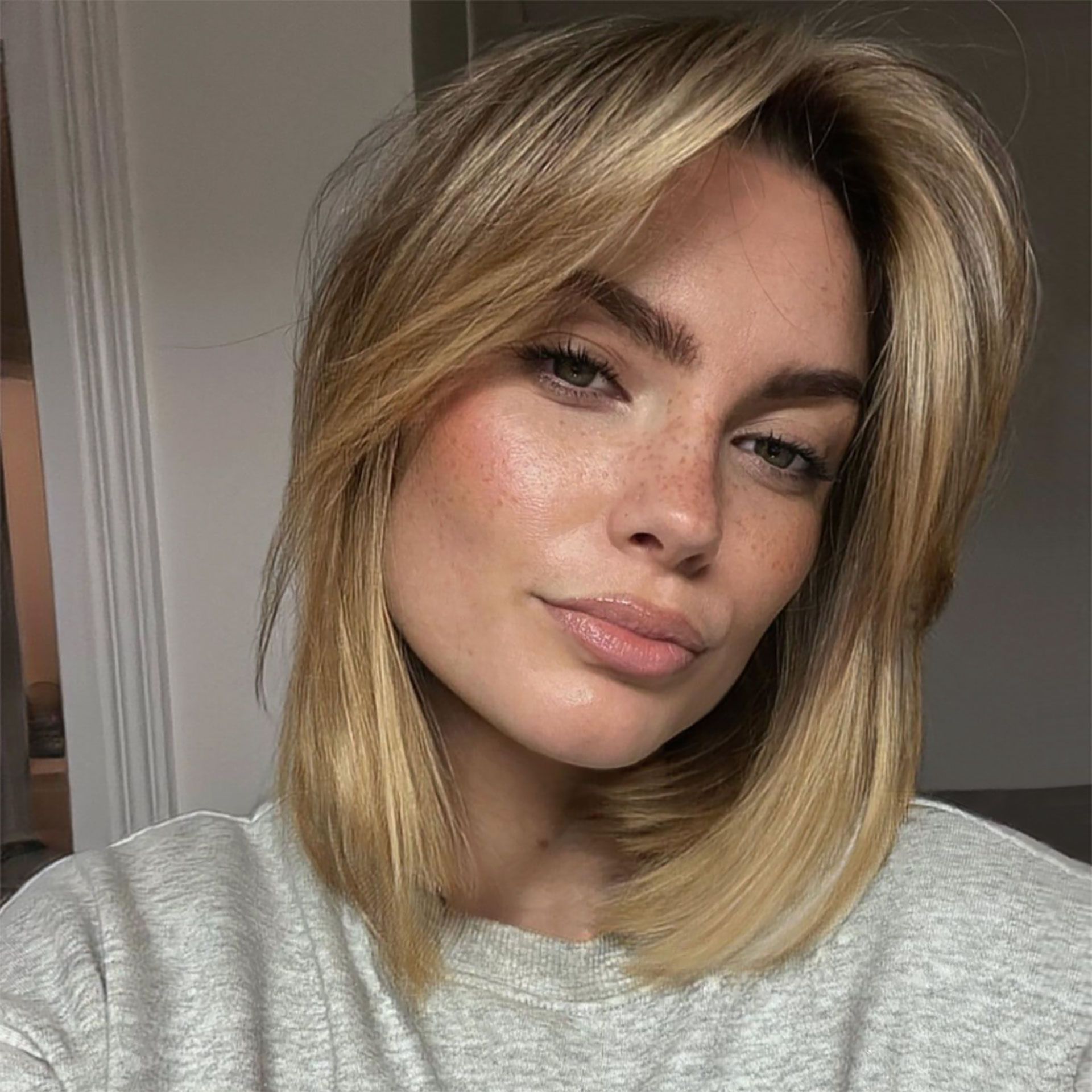
A chin-length lob with a side part reads as clean and intentional, which is exactly what winter calls for. The soft beige blonde base keeps the tone neutral, not too warm for the season, while subtle lighter blonde highlights add dimension without screaming for attention. Straight, fine texture holds a sleek blowout all day, and the chin length works under a coat collar without flipping out. This is the color you wear to a holiday dinner and a Tuesday meeting.
Vibrant Copper Red Curls
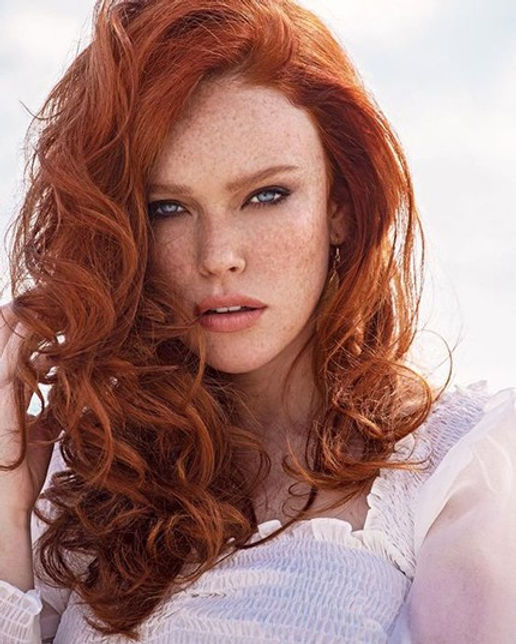
I confess: I booked this vibrant copper red color knowing it would fade. Shoulder-length layers and loose curls show off the intense red color beautifully for the first week, then the wash-out begins. Wavy, thick texture holds pigment better than fine hair, but every shower sends some copper down the drain. By week three, the tone shifts from fiery to rust. The middle part and layered movement help disguise the uneven fade, but you will need a color-depositing conditioner to stretch the vibrancy past week two.
The upkeep is real. A trim every eight weeks keeps the layers from looking ragged, and the color refresh is non-negotiable if you want that initial punch. Skip this if you hate maintenance or if your water is hard.
Deep Auburn With Rose Gold Highlights
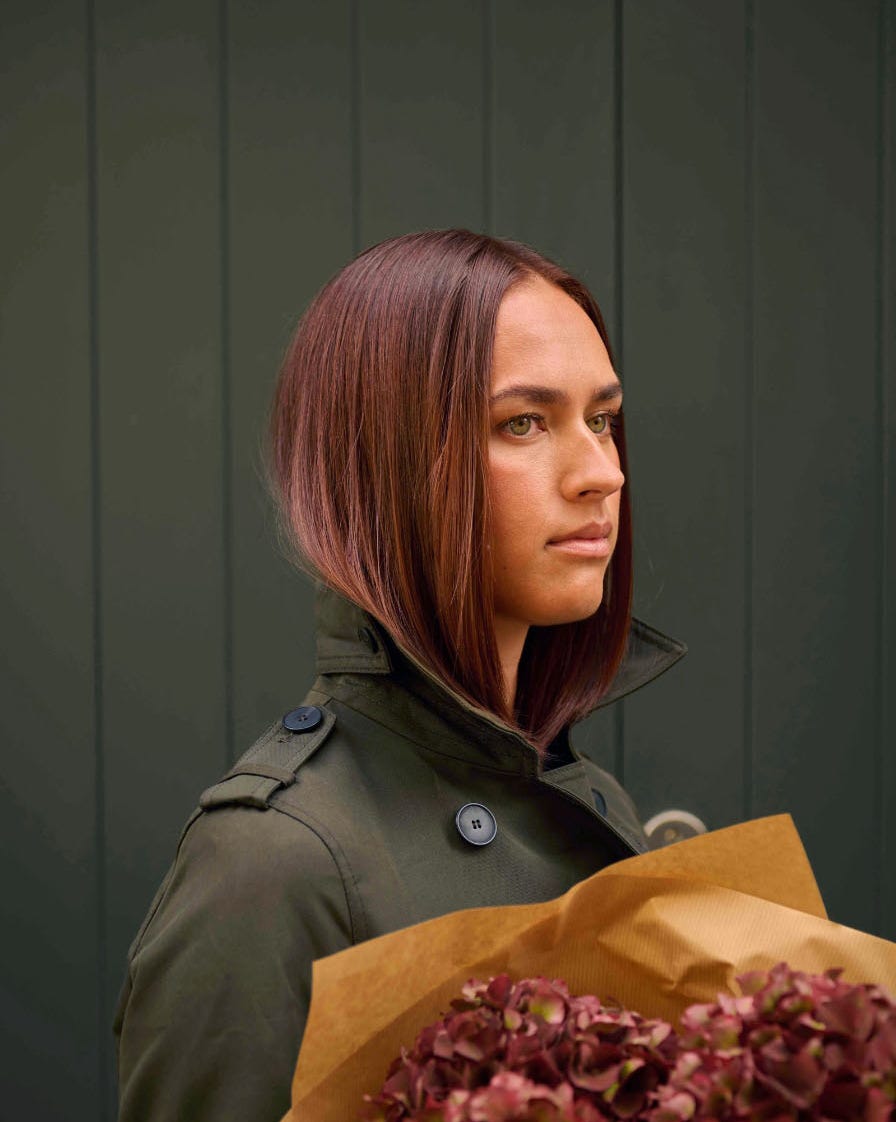
The verdict: deep auburn with rose gold highlights is a salon-only color. The blunt bob at chin length needs precise placement of the rose gold highlights to catch the light without looking stripey. Straight, thick texture takes the auburn base well, but the rose gold tones require a separate session for the highlights. Expect a full afternoon in the chair: base color, then foils for the highlights, then a toner to blend the two. This is not a bathroom-mirror job.
Neutral Blonde With Ash Undertones
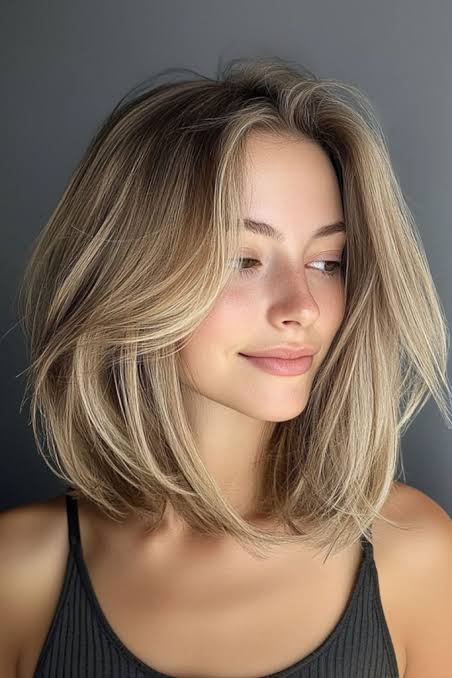
How do you get that cool, neutral blonde without it turning muddy? The technique starts with a neutral base shade, then ash undertones are woven through the mid-lengths and ends. Lighter blonde highlights add dimension without warmth. The curtain bangs are strategic: they frame the face and let the color hit the front, where it reads coolest. On a chin-length lob with straight to wavy texture, the ash undertones stay visible without washing you out. This isn’t a one-session job; it takes a stylist who knows how to neutralize warmth while keeping depth. The result is a winter blonde that doesn’t scream yellow, and the curtain bangs make sure everyone sees it.
Dark Base With Red Violet Highlights
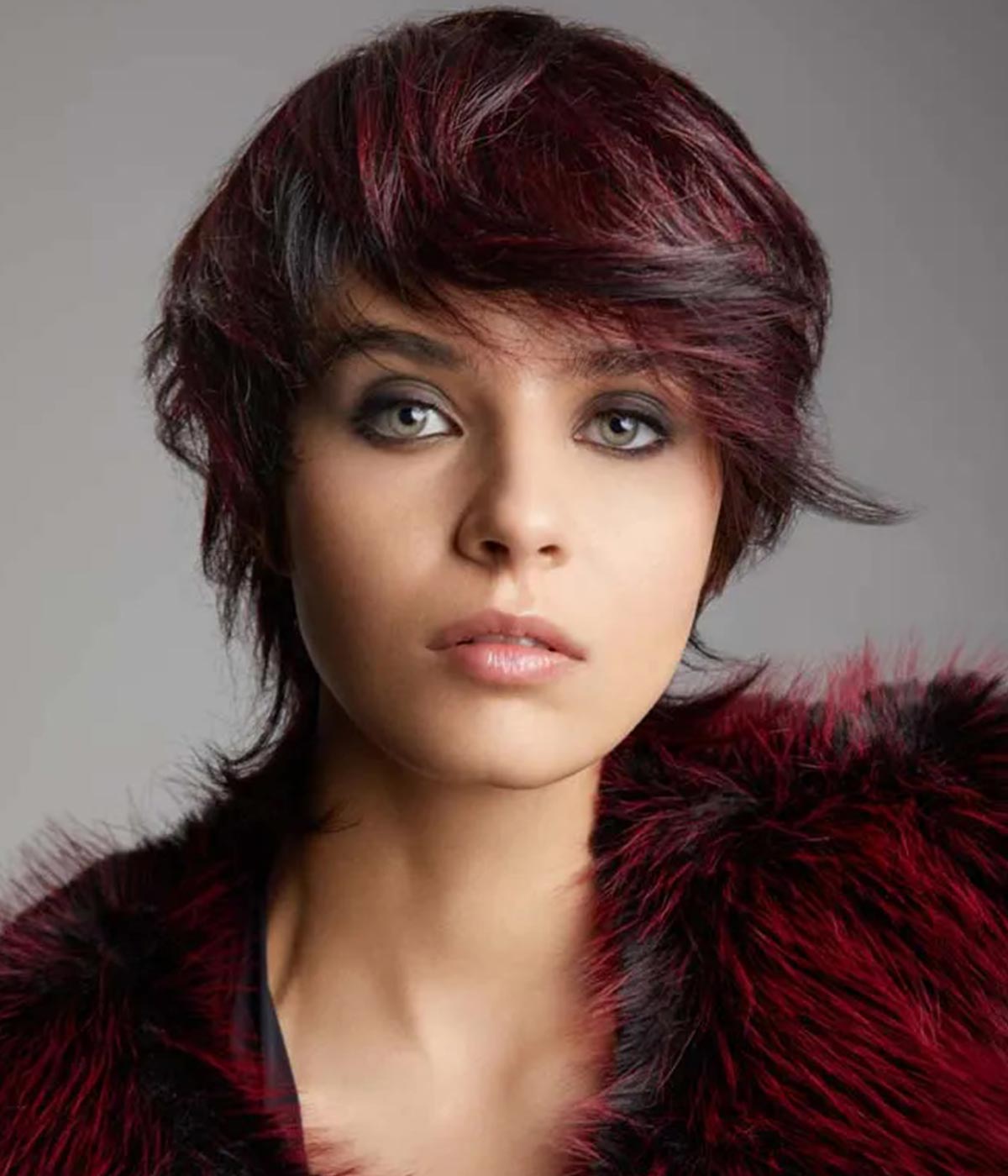
I’ll admit, I was skeptical about red and violet streaks on a dark base. The color is striking, deep red and violet highlights against a dark base, but the longevity? That’s the question. On a fine, straight pixie shag, the vibrant streaks fade noticeably within a few washes. A salon application ensures the placement is precise, but you’ll need a color-depositing shampoo at home to keep the red and violet from turning muddy. The tone is bold, but it asks for maintenance.
Mid-Back Dark Brown With Blonde Balayage
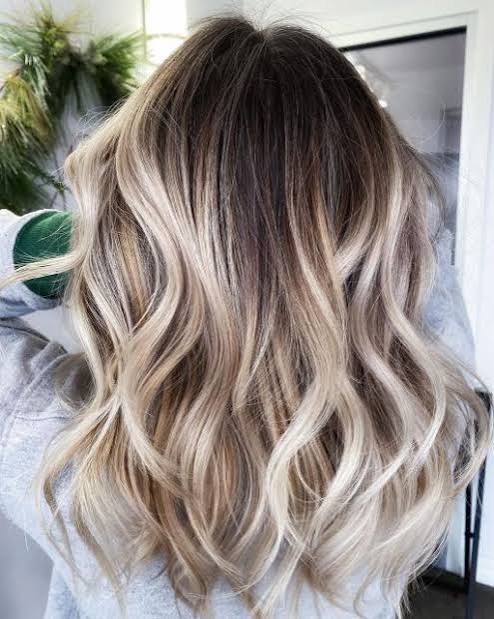
The contrast here is deliberate: dark brown base against blonde balayage that starts mid-length. This isn’t the subtle, barely-there balayage you see in summer. It’s bolder, with the blonde sweeping through the waves in thick sections. The dark brown with blonde balayage holds up well in winter because the contrast stays visible even in low light, unlike softer blends that disappear under a coat.
Upkeep is manageable. The dark roots don’t scream for a touch-up, so you can stretch balayage refreshes to every three or four months. But the blonde needs attention: a purple shampoo every few washes keeps it from turning brassy. Trims every 10 to 12 weeks maintain the wavy shape and prevent split ends. The curtain bangs soften the contrast, making the whole thing feel intentional rather than stark.
Ash Blonde Shag With Curtain Bangs
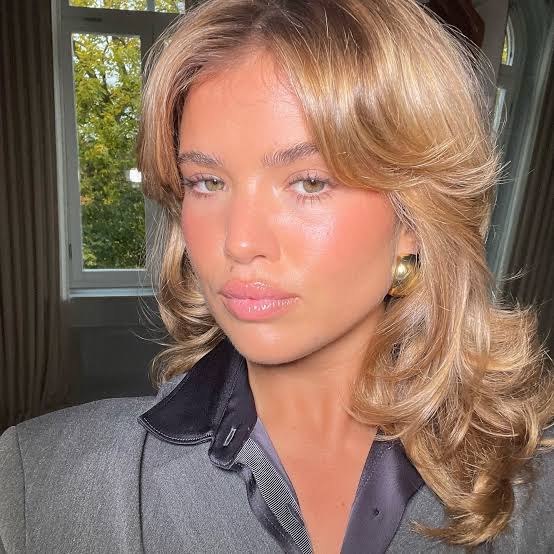
Who can pull off an ash blonde shag with curtain bangs? The color works best on cool undertones: the ash blonde with soft, blended tones reads clean, not ashy. The shag itself needs medium density wavy hair to hold the layers. Fine hair might fall flat, and tight curls could get lost. Curtain bangs soften a round or heart-shaped face, drawing attention to the eyes. The shoulder length keeps it wearable, not too heavy. If your hair is thin or stick-straight, skip the shag and try a lob instead. This is a look for those who want movement without daily styling.
Rose Gold Lob With Curtain Bangs
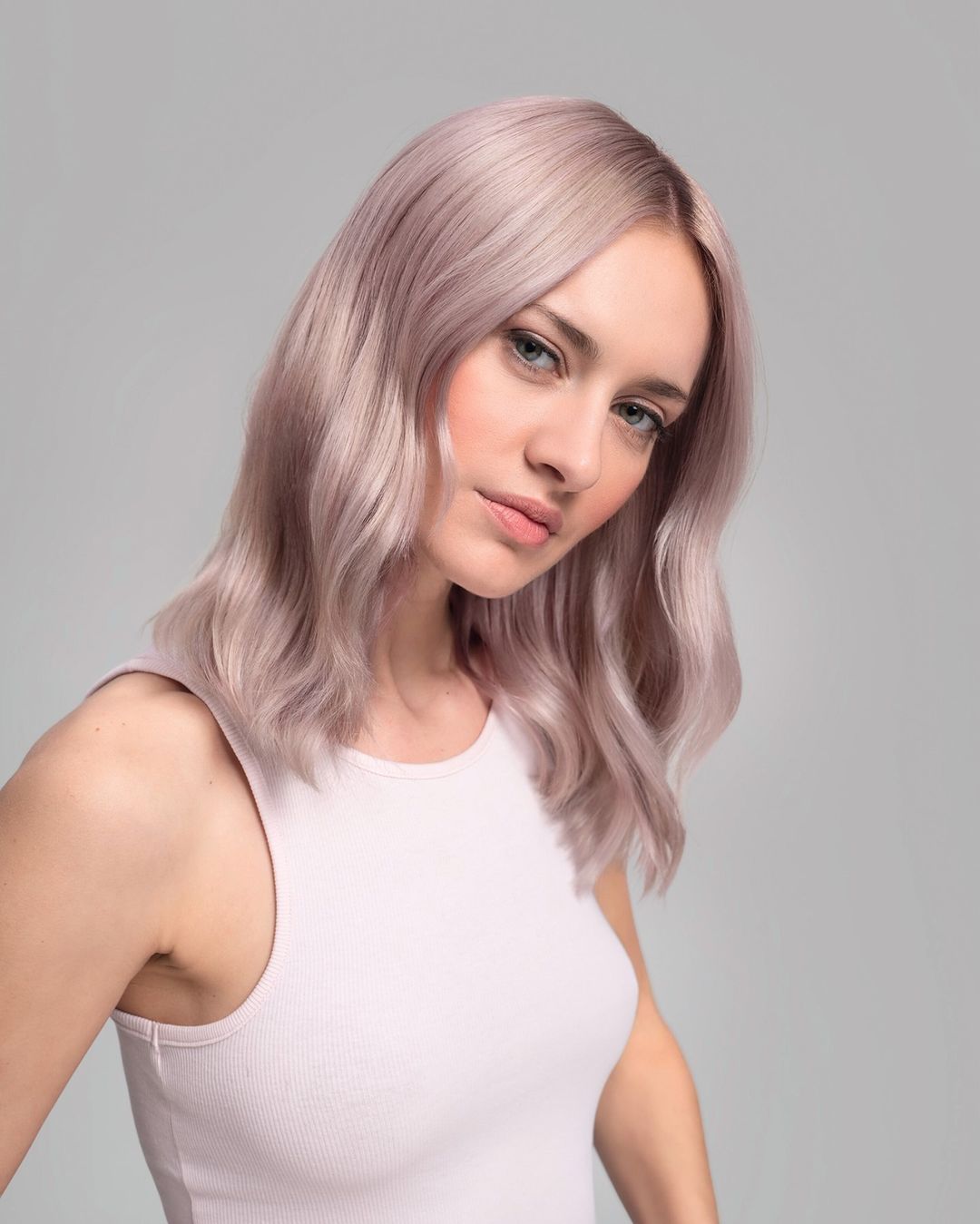
Rose gold is the winter color that actually works. It’s playful enough for holiday parties but sophisticated enough for the office. On a collarbone lob with soft waves and curtain bangs, the rose gold colour reads warm and dimensional against winter skin. The tone is pink-copper, not bubblegum, so it flatters both cool and warm undertones. It’s a seasonal statement that doesn’t scream ‘costume.’
Mid-Back Ash Blonde With Platinum Highlights
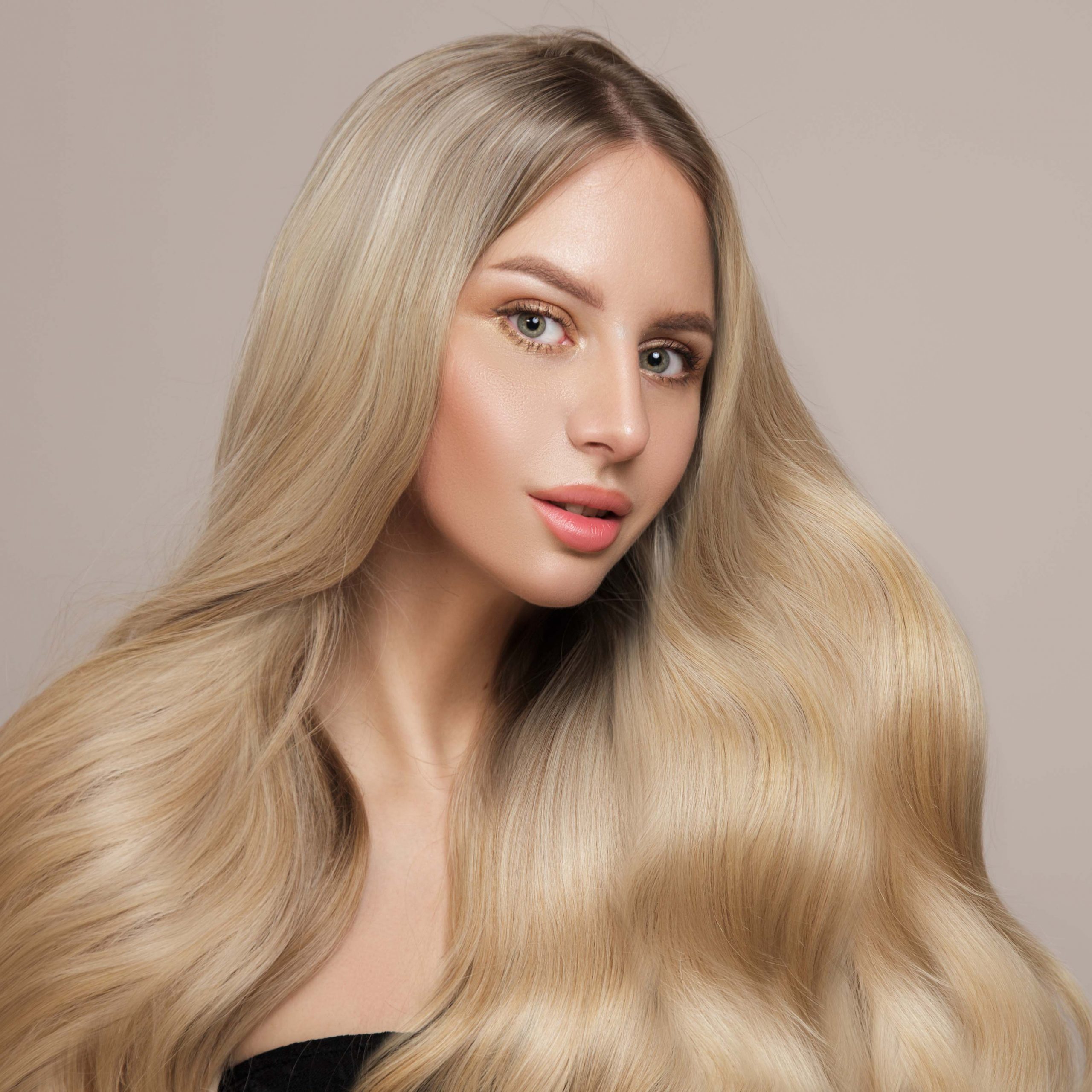
I look at this and immediately wonder what it looks like on a Wednesday. The mid-back ash blonde with platinum is striking, those platinum blonde highlights catching the light in a way that reads expensive. The long layers give the thick, wavy texture room to move without looking heavy. It is a salon job, through and through.
The honest downside is the schedule. Brassiness shows up around week three, a sudden yellow that demands a toner appointment. The voluminous blowout needs 25 minutes and a thick starting texture; fine hair would go flat by lunch. Ash blonde with platinum requires a toner visit every four to six weeks, no exceptions. The grow-out line is stark against the mid-back length, so root touch-ups run on the same timeline. The colour is the real commitment, not the cut.
Deep Red Wavy Bob
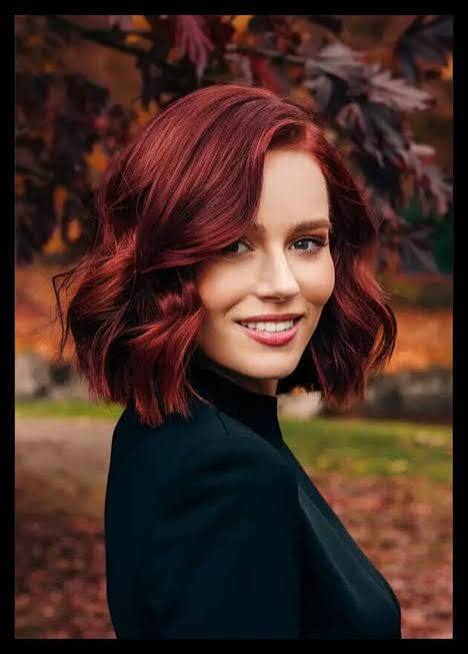
The saturation is the trick here. A deep red wavy bob at chin length relies on a single-process colour applied to pre-lightened or virgin hair for that opaque, vibrant deep red hue. The side-swept bangs break the line of the bob, keeping it from reading as severe. Medium density is ideal; too fine and the colour looks flat, too thick and the wave pattern competes with the cut. The dyeing technique requires saturation, root to tip, letting it process long enough to stain the hair fully.
Vibrant Copper Red Blunt Bob
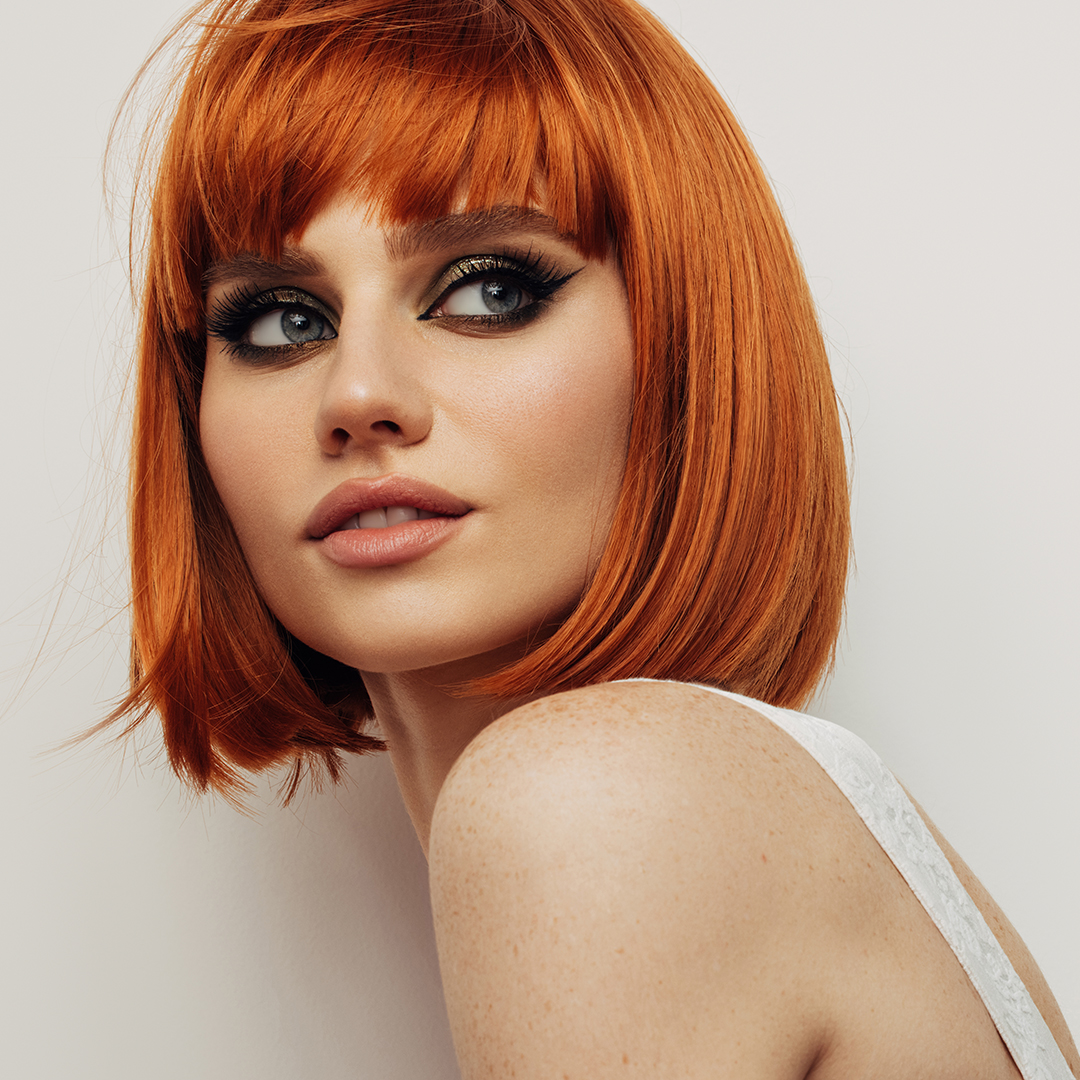
What does it take to get this colour this even? A vibrant copper red blunt bob on straight, fine hair requires a full colour application that covers every strand. The blunt bangs demand precise cutting; a millimetre off and the whole line wobbles. The straight texture shows every uneven patch, so the colour must be perfectly saturated. This is not a bathroom-mirror job. Book the full appointment block.
Long Layers Dark Blonde With Balayage Highlights
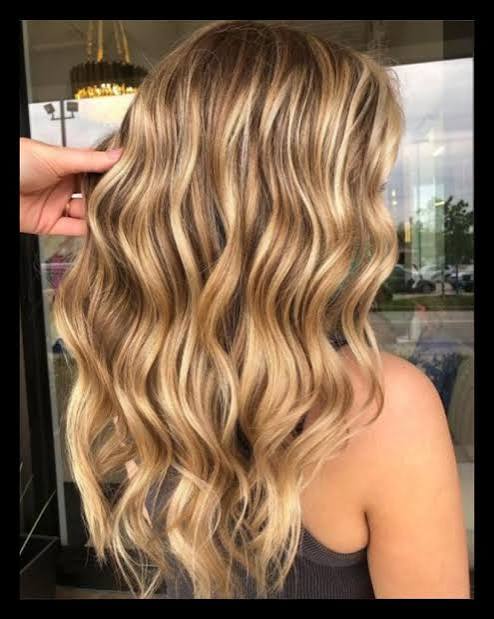
I tried to do this at home once. It took three months to fix. The dark blonde with balayage highlights on mid-back, wavy hair looks natural, but the technique is precise. Balayage highlights require the stylist to paint each section by hand, tapering the colour so there is no visible root line. A back view shows the real test: the colour must graduate evenly down the length.
The DIY attempt gave me a stripey line at the crown. A salon balayage uses a sweeping motion that deposits more colour at the ends and less at the roots, creating depth. The wavy, thick texture hides the transition, but only if the placement is correct. I learned the hard way. This is a three-to-four-month refresh cycle, not a grow-out you can ignore.
Honey Blonde Bob With Blunt Bangs
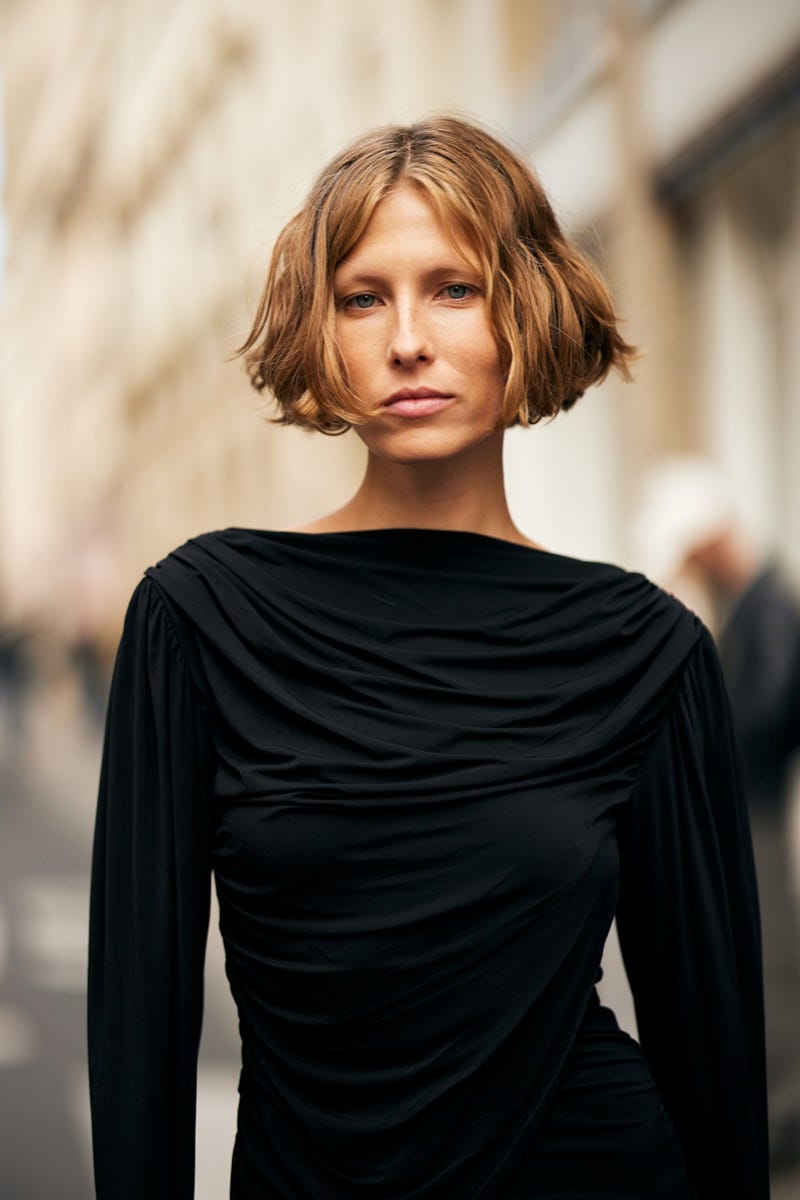
This cut does not forgive a weak chin or a round hairline. The honey blonde bob with bangs at ear length puts every line on display. The blunt bangs hit above the brows, which shortens the face visually. Fine, wavy texture works because the bob has enough body to hold the shape without looking heavy. Straight, thick hair pushes the bangs outward. The honey blonde with subtle golden highlights adds dimension, but the cut is the star.
Warm Honey Blonde With Golden Highlights
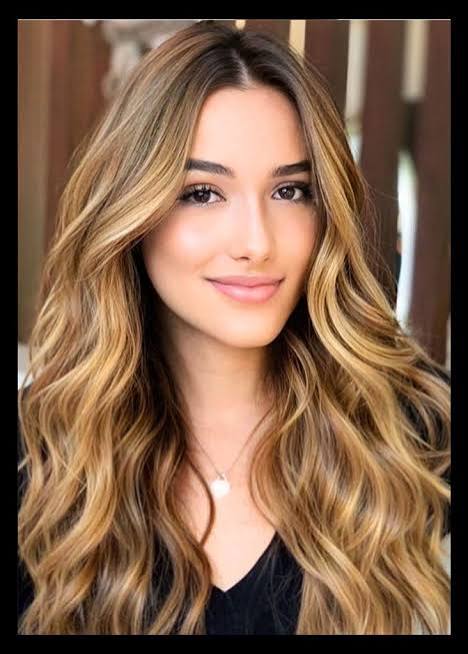
The warm honey blonde tone catches the light differently at 9 AM than it does at 5 PM. By late afternoon it looks richer, more golden, less yellow. That is the trick with golden highlights placed through mid-back length wavy thick hair: they shift with the environment, never static. The technique is subtle enough that your roots take their time showing up, maybe six weeks before you notice a line. The honest downside is that the warmth can drift toward brass if you skip a toner appointment. I have seen it go from honey to amber in a single month of neglect.
Wear and upkeep are straightforward but not zero. The loose waves take about fifteen minutes with a curling wand, and they hold better on thick hair than on fine. A trim every ten to twelve weeks keeps the ends from looking tired. The golden highlights themselves need minimal maintenance, maybe a toner every eight weeks to keep the tone clean. It is not a set-it-and-forget-it colour, but it is close. The fade is gradual, not sudden, which buys you time.
Dark Brown With Caramel Dimension
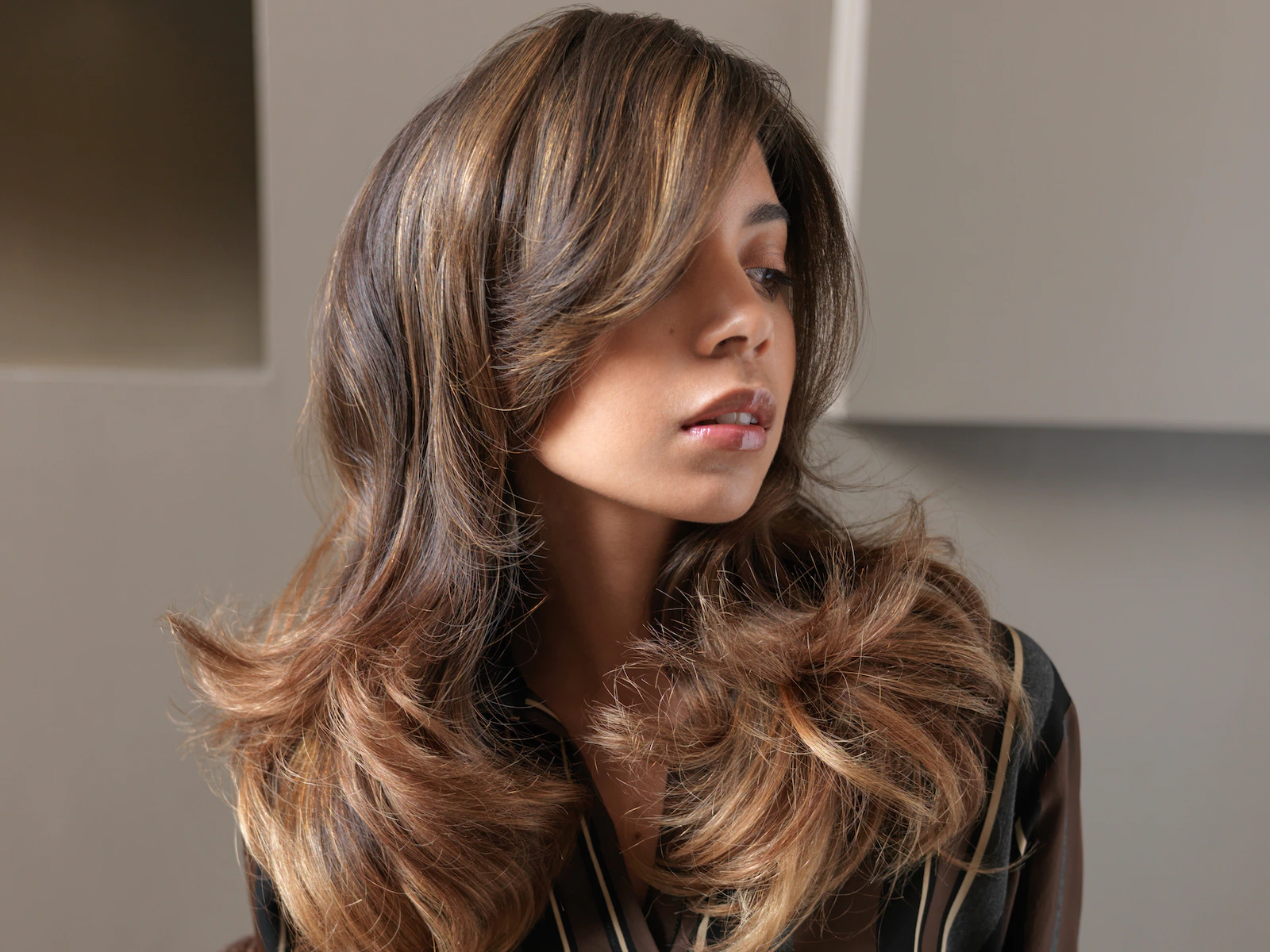
Why does dark brown with caramel dimension feel like the official colour of December? It has something to do with the contrast between the deep base and the warm caramel highlights. The technique uses a rich caramel dimension woven through long layers, hitting mid-back length on thick wavy hair. The tone lands somewhere between toasty and sweet, never flat. It catches candlelight at holiday dinners and looks expensive under overhead lights at the office.
The seasonal appeal is obvious: it matches the cozy textures of winter without trying too hard. Voluminous curls take about twenty-five minutes to style, and the blowout holds well on thick hair. The caramel highlights sit close to the face, which warms up the whole look. It is the colour you wear to a holiday party when you want to look put together without announcing it. The base stays dark, so grow-out is forgiving. A refresh every three to four months keeps the dimension alive.
Ash Blonde With Icy Silver Highlights
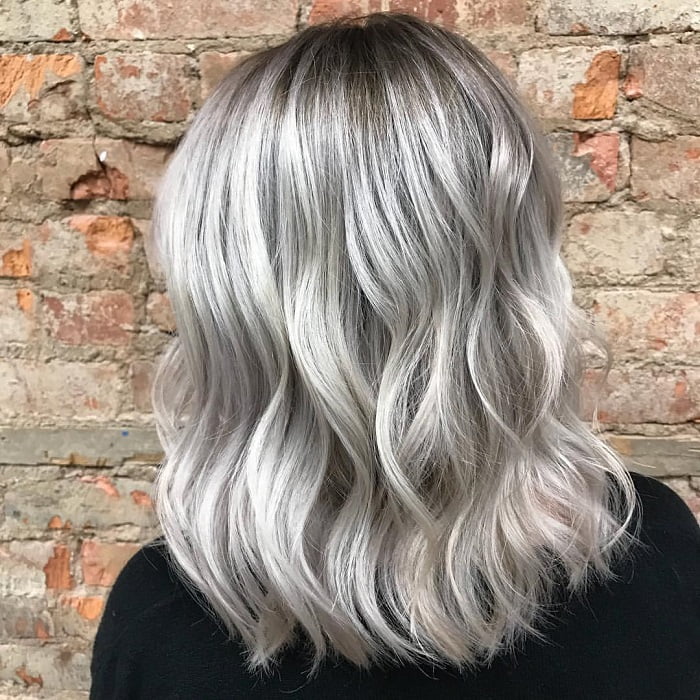
I did not think ash blonde with icy silver could look this wearable. The technique starts with a cool ash base, then icy silver highlights are painted through layers at collarbone length. The tone is what makes it work: cold enough to read silver, not grey. On medium density wavy hair, the contrast between the ash and the silver creates movement without looking striped. The placement is precise, every highlight angled to catch light from a different direction. A blowout with loose waves takes about twenty minutes and shows off the dimension best. This is not a bathroom-mirror job. The toning requires a professional who understands how to keep the silver from turning muddy. When it works, it is striking. When it does not, it is a mess.
Rich Chestnut Brown
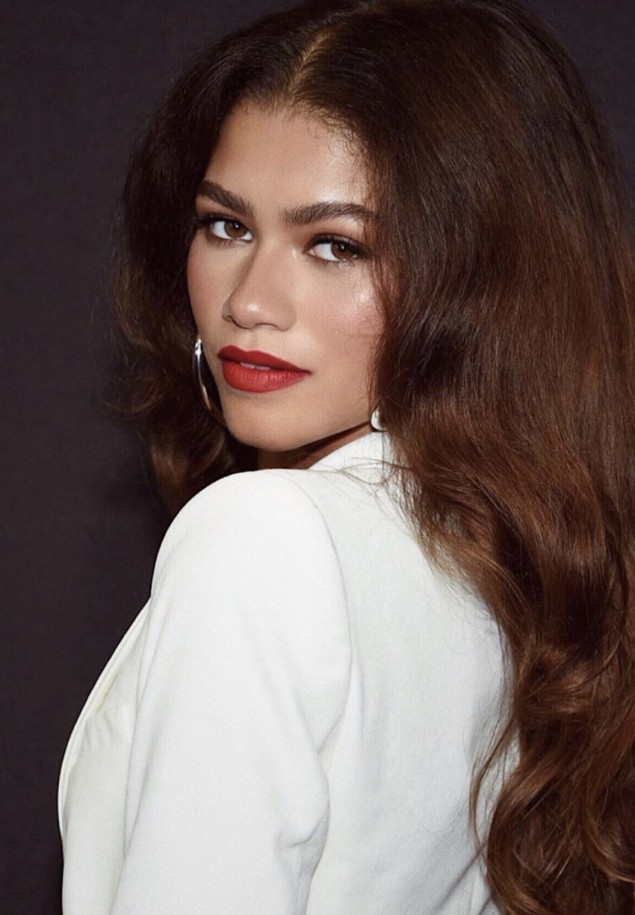
This is the brown that beats every other winter brown I have tried. The rich chestnut brown is deep and warm, a single-process all-over color that lands somewhere between chocolate and mahogany. On mid-back wavy, thick hair, it catches light without turning brassy. No highlights, no balayage, just one saturated shade that does the work. Other winter browns lean too red or too ashy; this one stays neutral-warm and reads as expensive from every angle. The depth of this chestnut is what sets it apart from lighter browns that wash out by February. It catches light differently than a caramel brown, which can look flat in winter daylight.
- Mid-back length with long layers
- All-over rich chestnut brown, warm tone
- Wavy, thick texture
- Loose waves, middle part
- Ask your stylist for a deep chestnut color with no dimension
Compared to caramel or auburn, this shade stays rich without shifting red. It is the brown that looks expensive in low light and better in sun. If you want a winter color that does not need a second thought, this is it.
Mid-Back Warm Blonde With Golden Honey
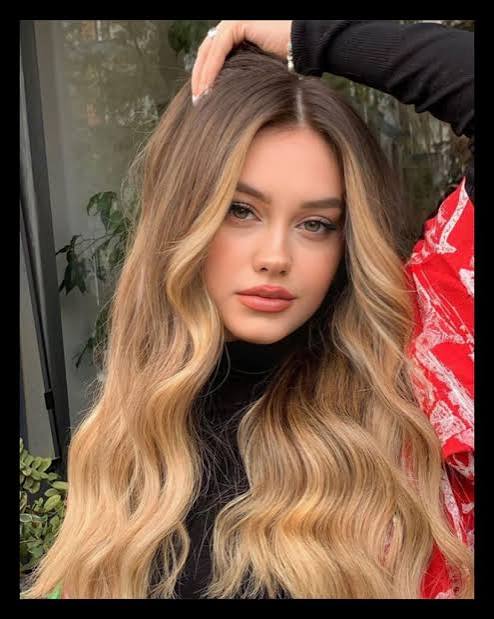
I will admit I was skeptical about golden honey highlights in winter. But this warm blonde with golden honey is bright without being brassy, a set of balayage highlights that start dark at the root and melt into honey. On mid-back wavy, thick hair, the wavy blowout catches the light and keeps the color from feeling flat. The layers add movement, and the middle part shows off the dimension from root to end.
The honest downside is the grow-out. Those golden highlights will start to look brassy around week six if you skip a toner. I schedule a gloss every eight weeks to keep the honey tone from turning yellow. The root line is soft because of the balayage, but the ends need attention. Trims every ten weeks help keep the ends fresh and prevent the color from looking dull. It is not a set-it-and-forget-it color, but the warmth is worth the effort.
Final Thoughts
The shift from summer’s brightness to winter’s depth is real, but it’s not about going dark. After writing all 30 of these, I noticed the ones that work best have a grounded quality, a weight that matches the season. I’m booking the medium brown with subtle blonde highlights next. It’s the one that looks expensive without the six-hour commitment.