

27 Elegant Balayage Hair Colors for 2027
Elegant Balayage Hair 2027. Discover 27 looks featuring warm brown honey blonde balayage and dark blonde ash blonde balayage. Get the details for each look.
You’re scrolling saved photos and every single one has that soft, grown-in lightening effect you want. The question is which version works on your schedule and your current grow-out line. Balayage in 2027 is about making the color look like it belongs there, not like it arrived in a foil packet.
27 options give you the range from subtle face-framing strokes to full, lighter spread. Fine hair, thick texture, short bobs or long layers all get a version here. This is why Elegant Balayage Hair 2027 fill so many saved boards. It solves the problem of wanting something fresh without committing to a full foil every six weeks.
Dark blonde base with lighter blonde balayage highlights
A middle part and that wavy blowout do most of the work here. The dark blonde base keeps roots low-maintenance, while the lighter balayage highlights sit in the waves rather than on top of them. This is the kind of color that looks better on day two, when the texture has relaxed a little. Thick, wavy hair is the natural habitat for this technique, the waves catch the lighter pieces without you having to fuss. Skip it if your hair is very straight and falls flat by noon; the blending needs some bend to look lighter rather than stripey. Ask your colorist for: dark blonde base, lighter balayage, wavy layers.
Lighter effect with warm brown and honey blonde balayage
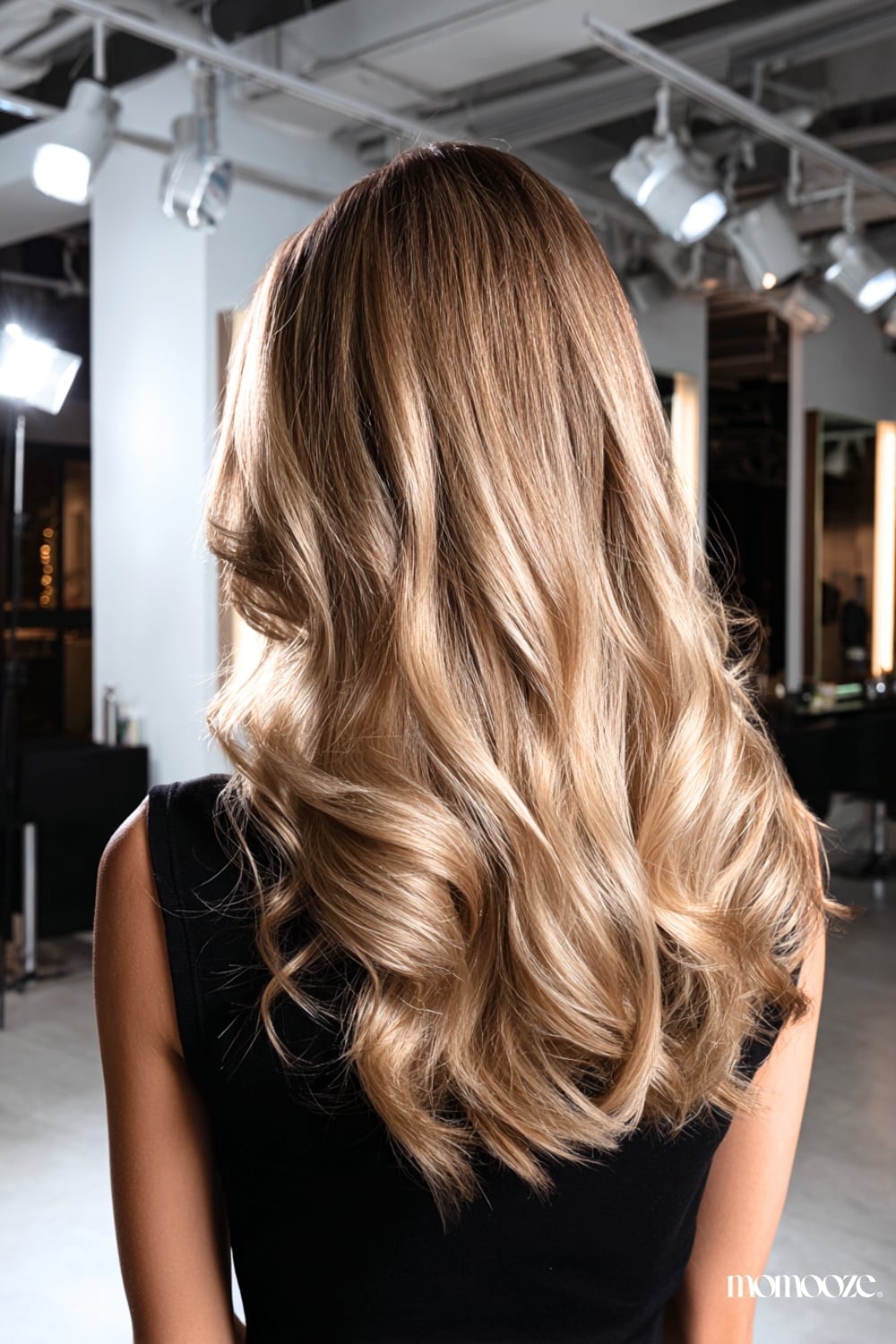
Compared to the cooler tones of the previous look, this one leans into warmth. The warm brown base feels grounded, while the honey blonde balayage lifts the ends without screaming for attention. It is a back-view color, the loose waves carry the blend from root to tip, and the sun hits the honey pieces first. This suits thick, wavy hair that can handle the weight of a double-toned application. Not for anyone who insists on ash or beige tones; the honey will look too golden.
Smooth dark blonde to ash blonde balayage for a dimensional look
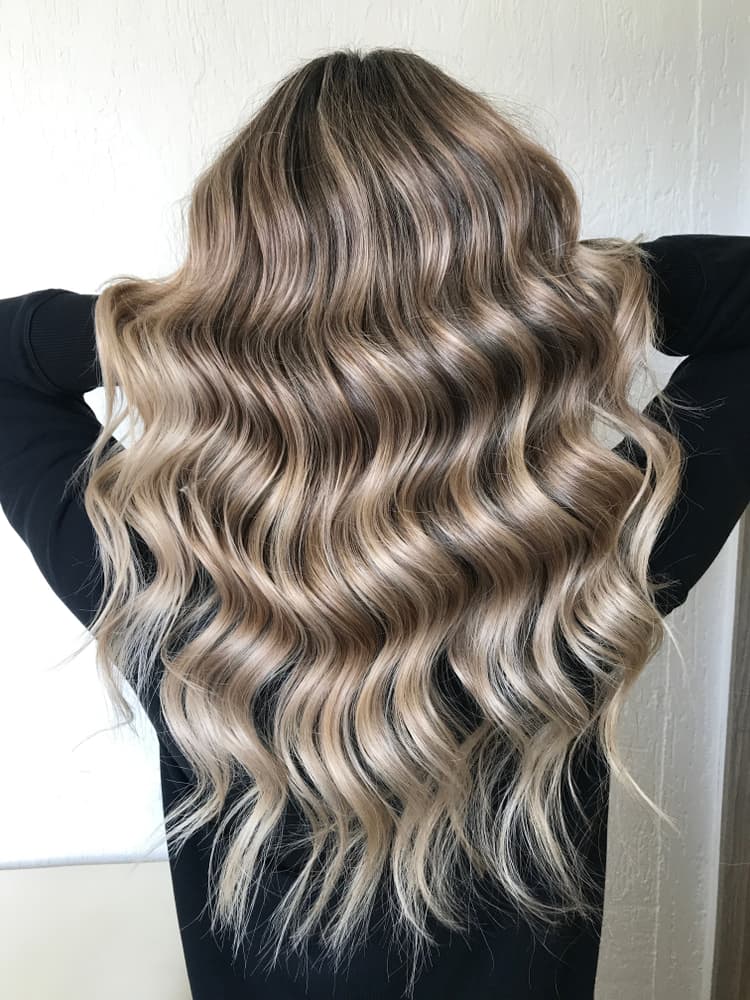
A center part and a voluminous wavy blowout show off the gradient from dark blonde roots to ash blonde ends. The transition is smooth enough that you cannot spot where one tone stops and the next begins. This is a technical color, the stylist paints the ash blonde onto the mid-lengths and ends in a way that avoids a hard line. Thick, wavy hair holds the shape and keeps the ash tone from looking flat. Pass when you prefer warm tones; the ash can look dull on a base that wants to be golden. Ask your colorist for: dark blonde to ash blonde balayage, soft voluminous waves.
Auburn balayage on a tapered cut with curly texture
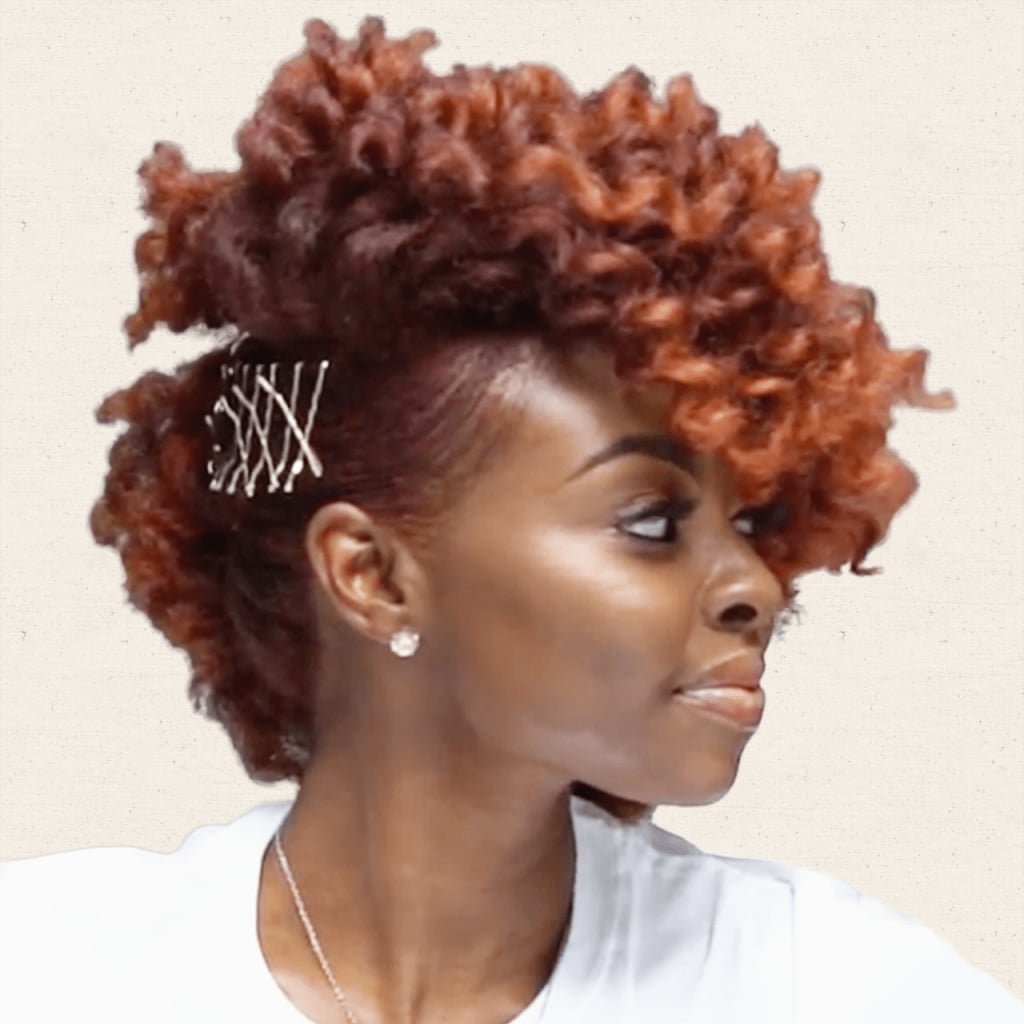
Does your curly hair ever feel like color gets lost in the coil? This auburn balayage solves that by placing the brighter copper pieces where the curl turns, not at the root. The tapered cut lifts the weight off the nape, so the color sits higher on the head. Thick, curly texture is the key here, the auburn pops against the darker base because each curl shows a front and a back of the strand. Not for subtle color fans; the copper is intentional and visible. Skip it if your curl pattern is loose or fine; the taper may look too short.
Blonde balayage on a dark brown base
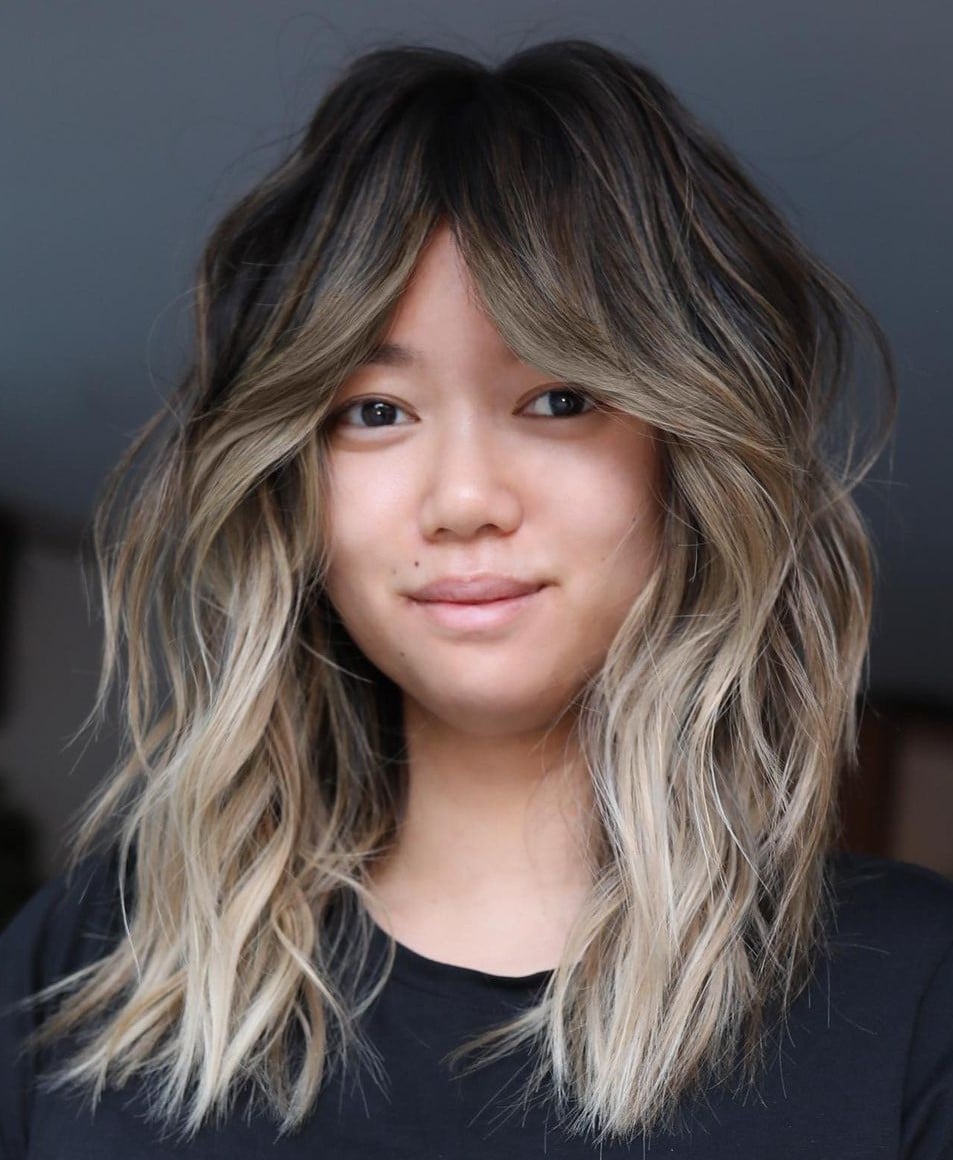
Curtain bangs and a wavy blowout give this dark brown base a reason to have blonde balayage at all. The color lifts from a deep brown root into a soft blonde at the ends, and the bangs catch the lighter pieces first. That framing is the entire point. Fine, wavy hair works well here because the balayage adds the illusion of density without needing thick strands. The catch: the curtain bangs need a quick blow-dry every morning, and the baseline trim hits every six weeks. Skip it if you cannot commit to bang maintenance. Ask your colorist for: dark brown base, blonde balayage, curtain bangs, wavy blowout.
Vibrant red balayage on a dark brown base
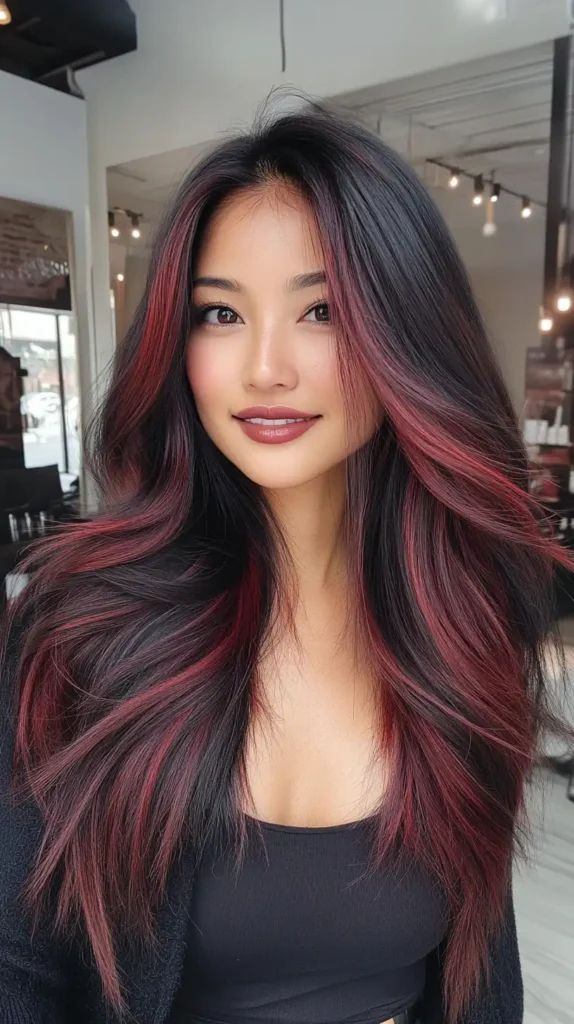
Red is a commitment until you see it against dark brown. The balayage technique keeps the roots deep and the mid-lengths vivid, so grow-out looks planned. Fine, wavy hair of at least collarbone length holds the layers without losing density. Hair that grabs red pigment easily may need extra care to avoid an unintended tone. The middle part lets the vibrant strands fall forward, framing the face without bangs. A color-depositing conditioner every third wash keeps the red from turning rusty.
Dark brown base with ash blonde balayage and layers
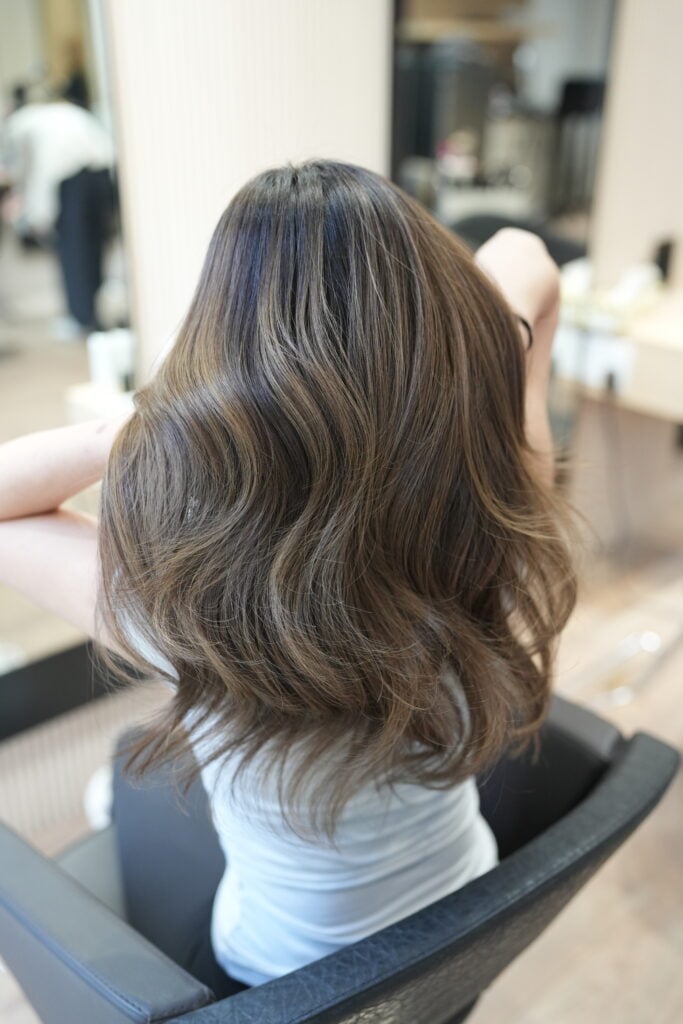
Two tones on one head: dark brown at the root, ash blonde sweeping through the layers. The balayage technique paints the lighter sections freehand, which means no harsh line when the roots grow in. Fine, wavy hair benefits from the soft contrast, the ash tones look texture rather than a separate color. The middle part and gentle blowout keep the finish neat enough for an office. Not for anyone whose natural base lifts brassy; ash needs a clean canvas. Ask your colorist for: dark brown base, ash blonde balayage, layered cut.
Soft blonde balayage on dark brown bob
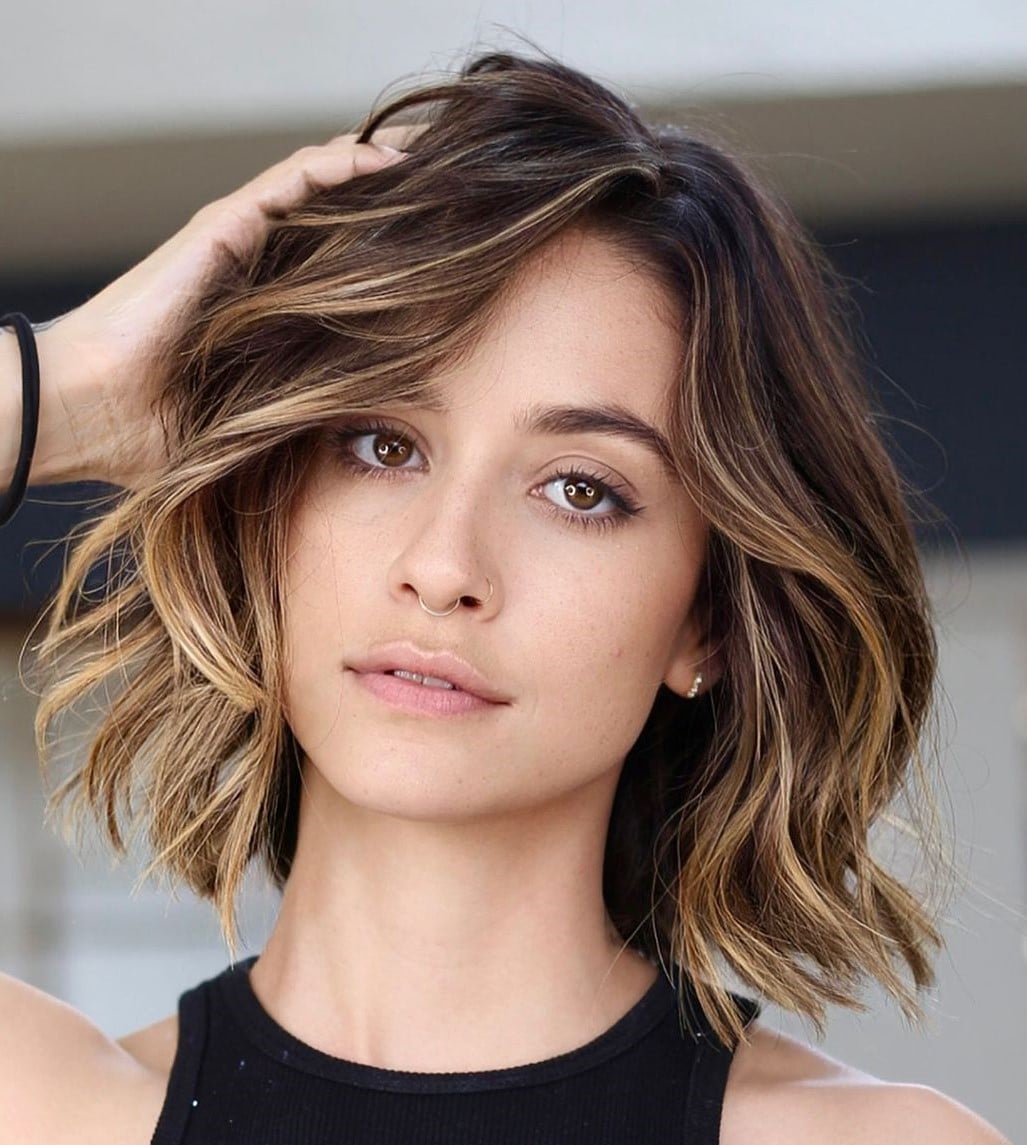
A bob puts every color decision on display. Dark brown at the roots softens into blonde balayage around the jaw, and the face-framing pieces pull attention upward. Fine hair works well here, the blunt ends create the illusion of density. The waves add movement without hiding the blend. Upkeep is the catch: a bob needs a trim every six weeks to keep the shape sharp, and the blonde sections need a toner around week four to stay soft rather than warm.
Dark brown to ash blonde balayage on layered hair
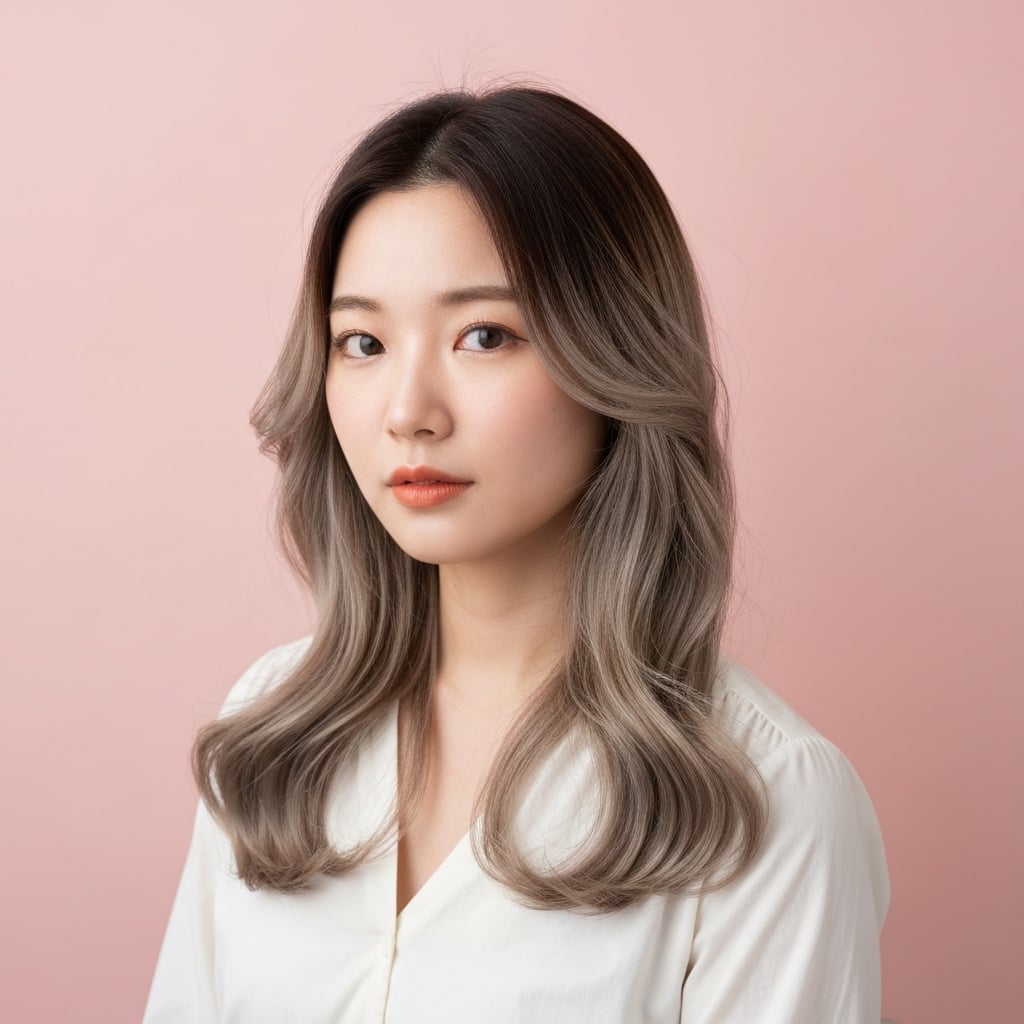
Dark brown at the crown, ash blonde at the ends, a gradient that relies on the layers to show the transition. The centered parting and blowout style make the ash tones look deliberate. Fine, wavy hair of collarbone length or longer lets the color breathe. The trade-off: ash blonde requires a salon lightener that can feel dry on already compromised strands. This is not for hair that is over-processed. The layered cut means less density at the hemline, so the color appears lighter than it is. Ask your colorist for: dark brown to ash blonde balayage, layered cut.
Lighter blonde highlights on dark blonde base, close-up take
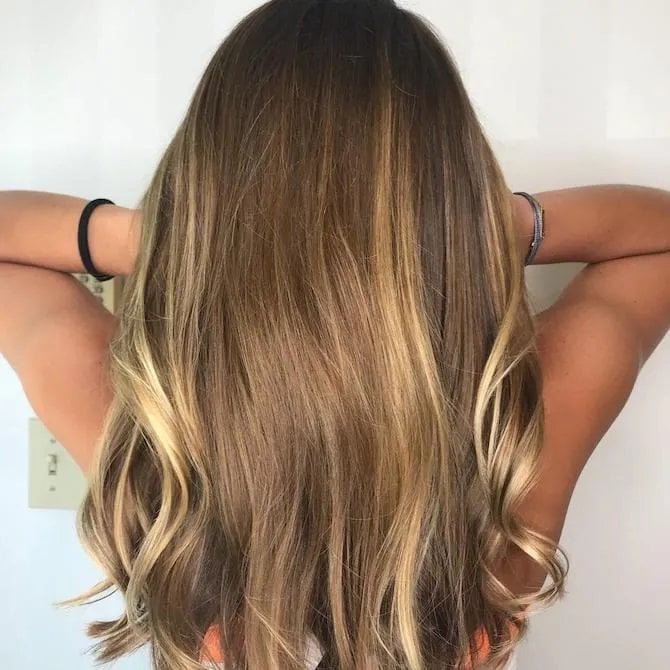
Thick, wavy hair needs a color that moves with the texture, not against it. Dark blonde base with lighter blonde highlights creates a lighter effect that lands somewhere between natural and deliberate. The balayage technique places the lighter pieces where the wave bends, so each curve catches a different tone. No bangs, no layers. The cut stays simple to let the color do the work. It suits all face shapes and any length, though thick hair shows the contrast best. A purple shampoo once a week keeps the lighter sections from warming up.
Caramel balayage adds warmth to long brown hair
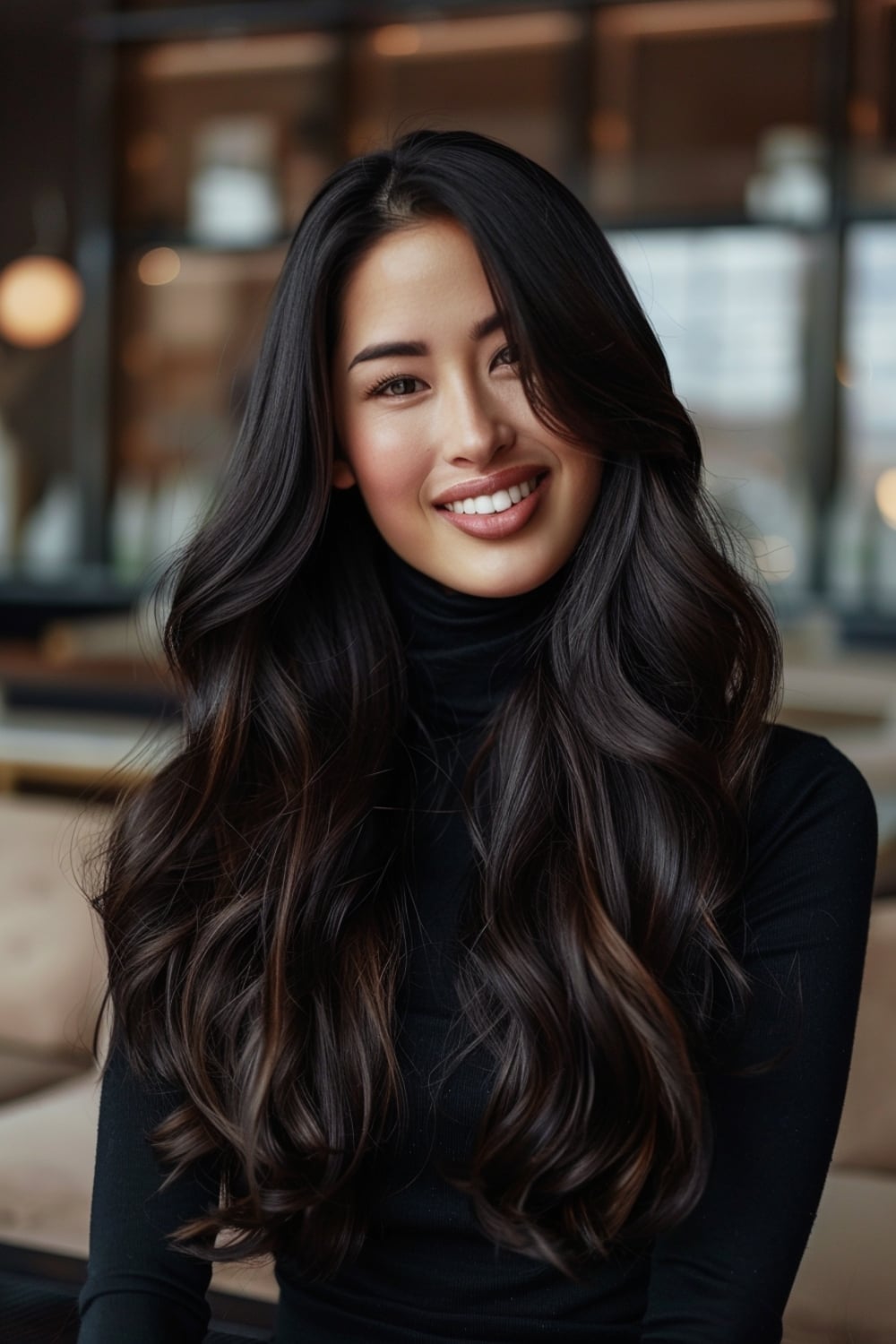
Wondering how to add warmth without going full copper? This is the answer. Long, layered hair with a middle part gets a rich dark brown base and subtle caramel balayage painted through the lengths. The technique keeps the root dark, so grow-out is a non-issue. Soft waves give the color a glossy, dimensional finish. Ask your colorist for: dark brown base, subtle caramel balayage, long layers. A blunt cut or fine hair may not hold the layers well.
The texture here is thick and wavy, which helps the caramel tones look like natural highlights. You get warmth, depth, and a color that looks like it happened in the sun, not a bowl.
Dark brown base with caramel balayage in wavy thick hair
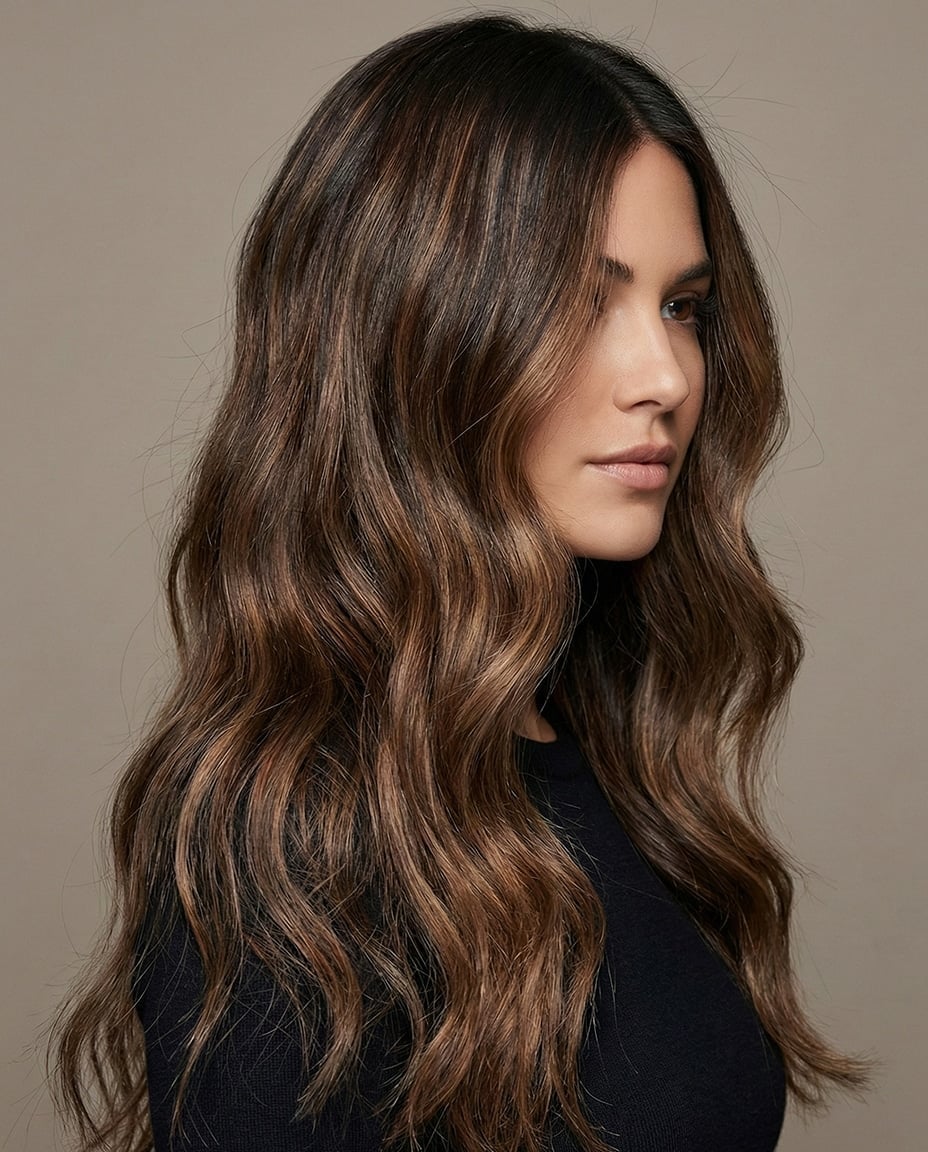
Two tones here: a dark brown base and a soft caramel balayage that starts mid-length and gets lighter toward the ends. The technique uses a hand-painted application, so the transition is smooth. Wavy, thick hair holds the caramel highlights without them disappearing into the base. A middle part and subtle layers add movement. The framing around the face catches the light first. Pass when your hair is fine or you prefer a more uniform color throughout.
Lighter balayage highlights on dark blonde fine hair
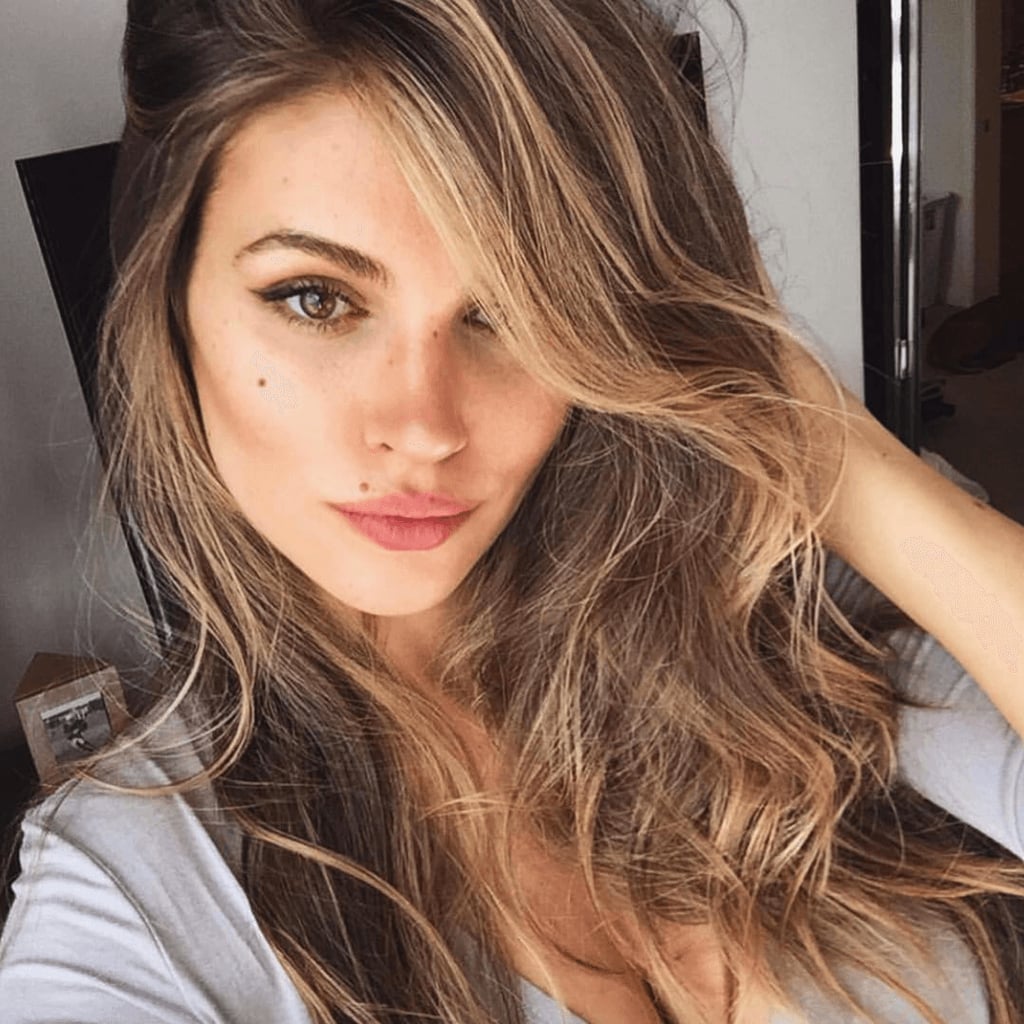
Fine hair needs a color that adds volume without weight, and this delivers. A dark blonde base gets lighter blonde highlights painted through the ends. The technique is a soft balayage with a gradual transition. Wavy, fine hair is cut in layers and styled with a side part and relaxed blowout. The lighter pieces frame the face and create a fuller look. Ask your colorist for: dark blonde base, lighter blonde highlights, fine wavy hair. It works best for fine hair; thick hair or a more dramatic root contrast may not suit it.
Dark brown lob with blonde balayage transition
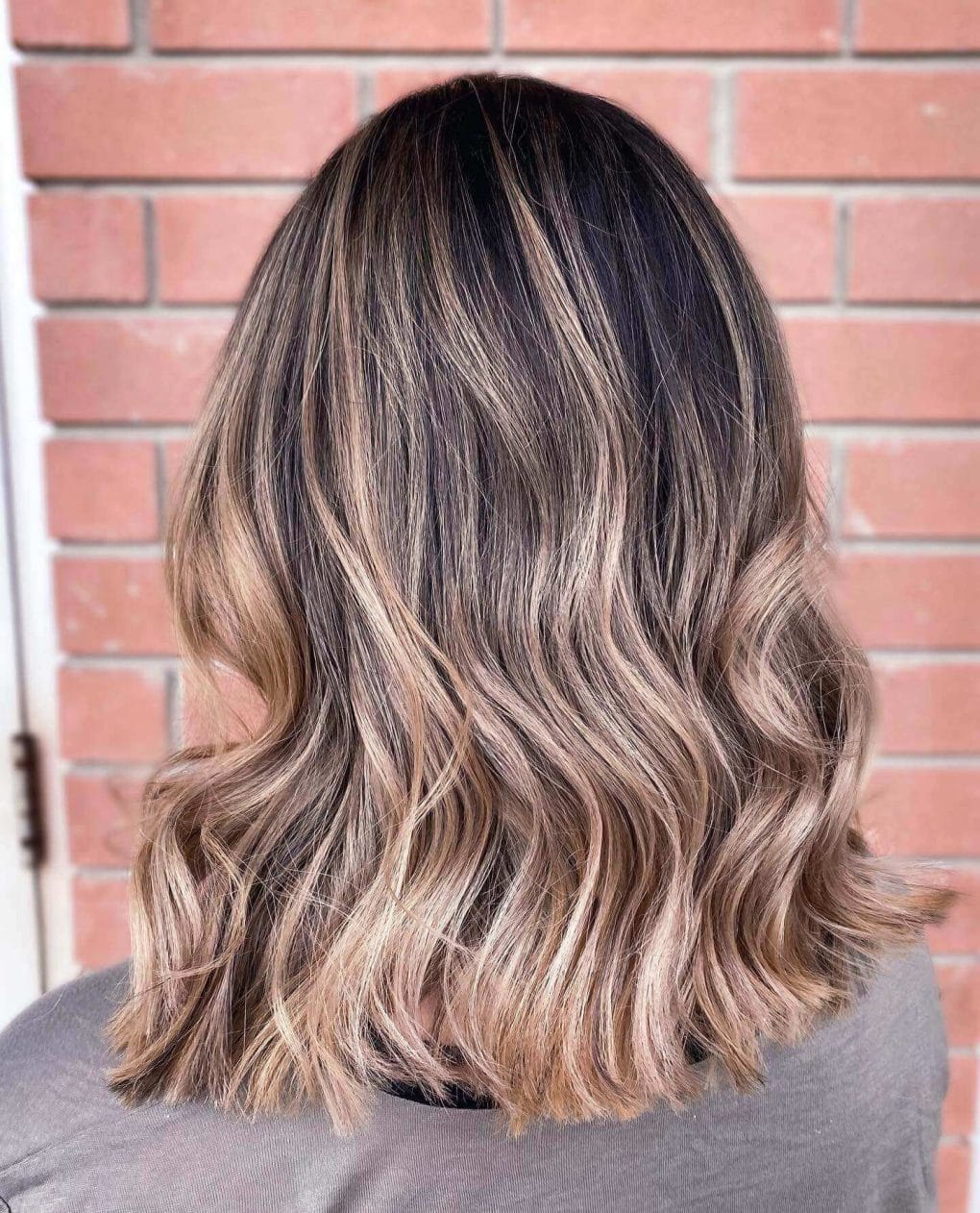
Compared to a full blonde lob, this keeps the root dark and lets the blonde fade in gradually. A dark brown base meets soft blonde balayage on a lob cut styled in waves. The transition starts a few inches from the scalp, so the grow-out is low-maintenance. A middle part shows the color shift clearly. Use a texturizing spray to hold the waves and keep the blonde from looking flat.
Dark brown base with caramel balayage and soft layers
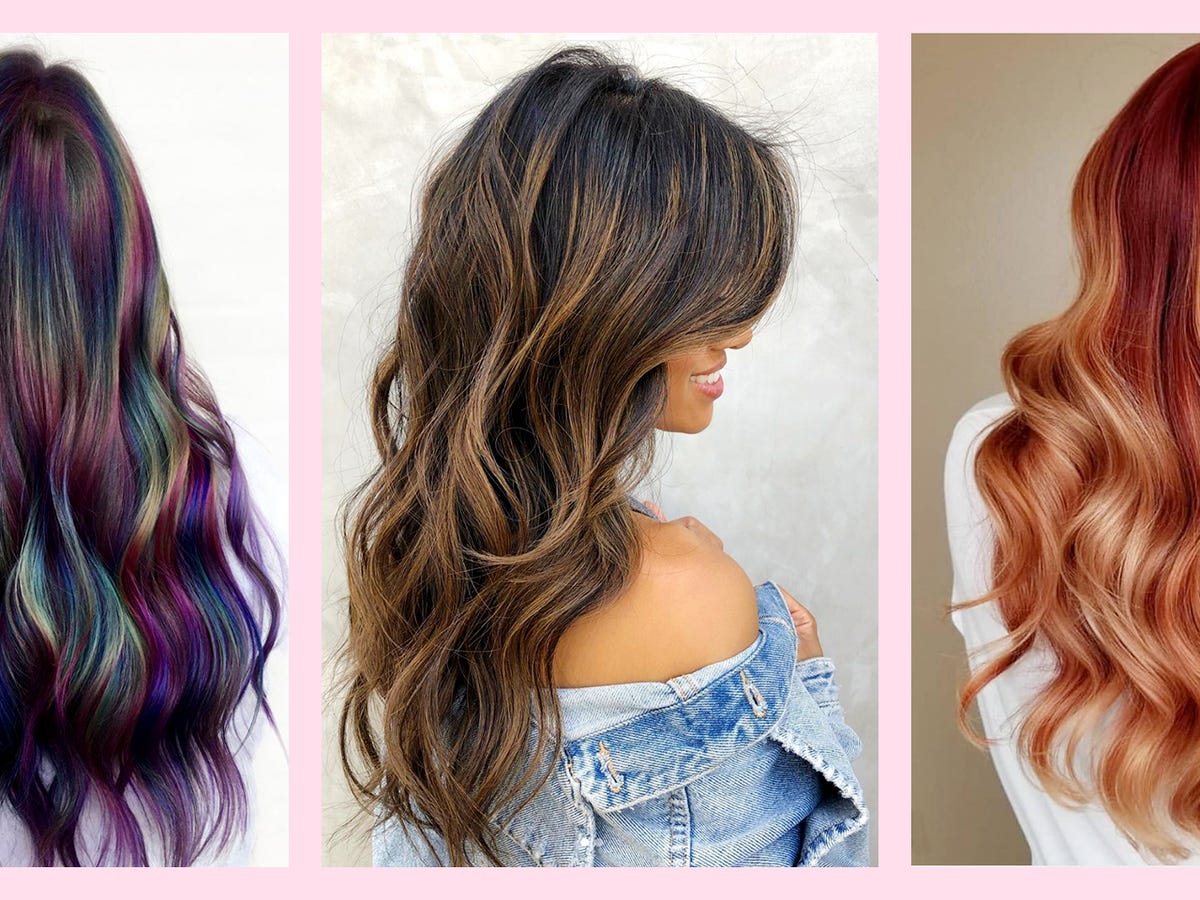
This is a salon-only color. The dark brown base is painted freehand with caramel balayage that wraps around the soft layers. Fine, wavy hair gets a side part and a gentle blowout that lets the caramel tones peek through the texture. The technique creates a natural, lived-in finish. Ask your colorist for: dark brown base, caramel balayage, soft layers. A heat protectant before blow-drying keeps the color from fading. The caramel may not blend as smoothly with very coarse hair.
Dark blonde base with lighter blonde balayage, everyday version
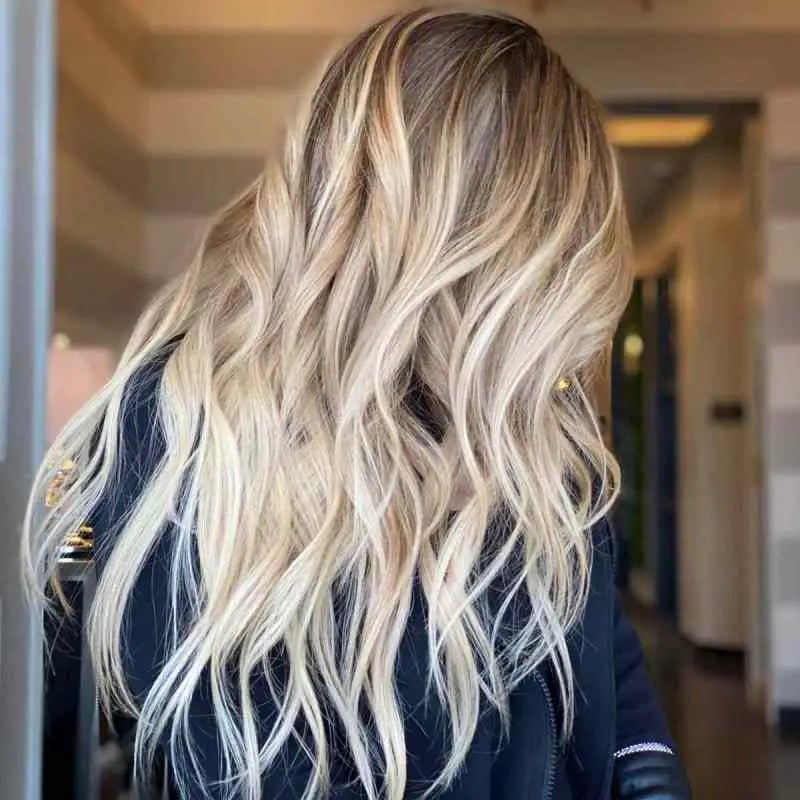
A dark blonde base carries lighter blonde balayage that lands somewhere between a highlight and a rinse. The waves let the two tones settle into each other without a hard line. Skip it if you prefer dark colors or have very straight hair. The gradient reads best when the texture has a bend to catch.
Subtle balayage frames face on dark blonde hair
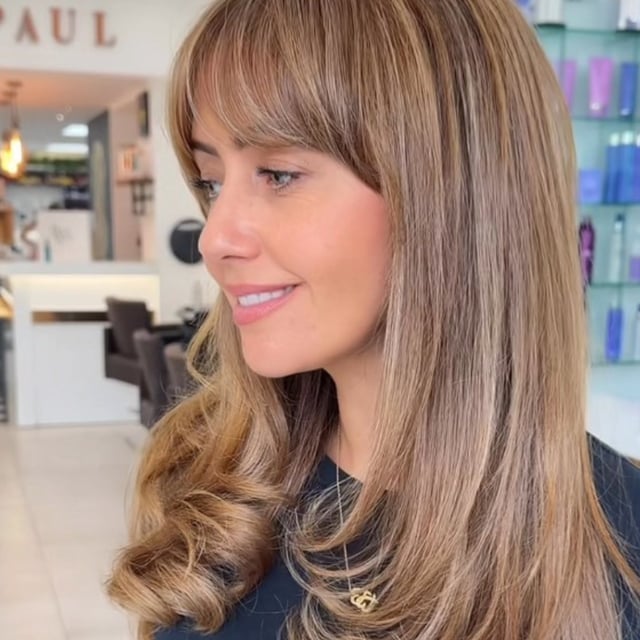
Set this against a full head of foils and the difference is clear: the balayage here stays concentrated around the face and the curtain bangs, while the hair holds a darker blonde base. That saves you the root-touchup timeline. Ask your colorist for: dark blonde base, balayage, face-framing layers, curtain bangs. The soft blowout needs a fine, wavy texture to hold the bend. Blow-dry the fringe first with a round brush; the waves follow the same direction.
For a square or oval face, the curtain bangs do the softening that a heavier highlight would try to do. The lighter pieces land exactly where the cut opens up, so the color and the shape work from the same plan.
Dark blonde base with lighter blonde highlights, office-safe version
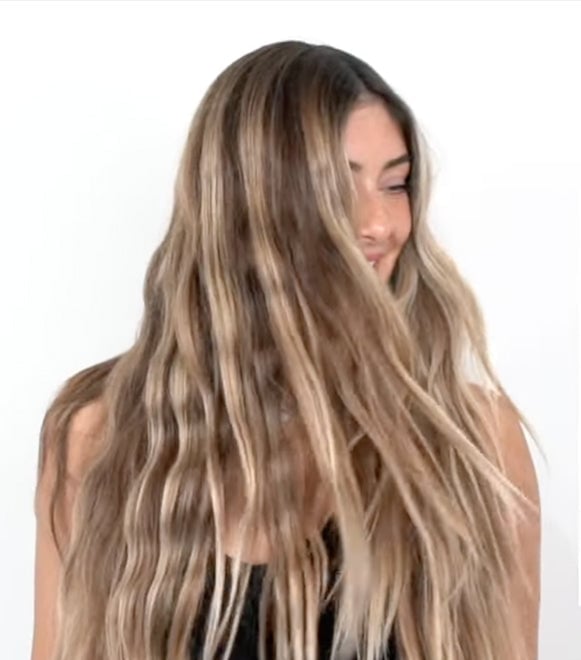
One-line assessment: it is balayage that looks naturally grown in. A dark blonde base gets lighter blonde highlights placed through a wavy layered cut, with the middle part splitting the color evenly. Fine hair appears fuller without a heavy root line. A smoothing serum on the ends after blow-drying keeps the fine texture from looking frizzy by noon.
Dark blonde base with subtle balayage and curtain bangs
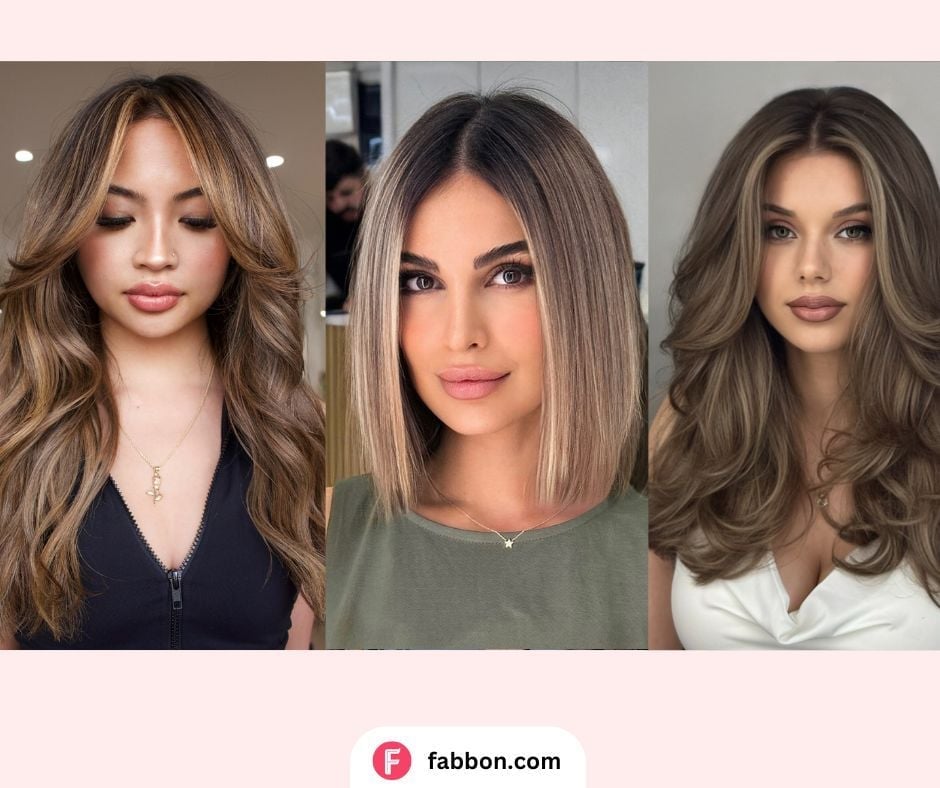
The design hinges on the curtain bangs. A dark blonde base carries subtle balayage that is barely a shade lighter. The point is the soft framing, not the contrast. Tell your colorist: dark blonde base, subtle balayage, curtain bangs, face-framing layers. The middle parting lets the bangs fall open naturally, so the lighter pieces peek through the fine, wavy texture rather than sitting on top of it.
Sharp lob with dark blonde and lighter blonde balayage
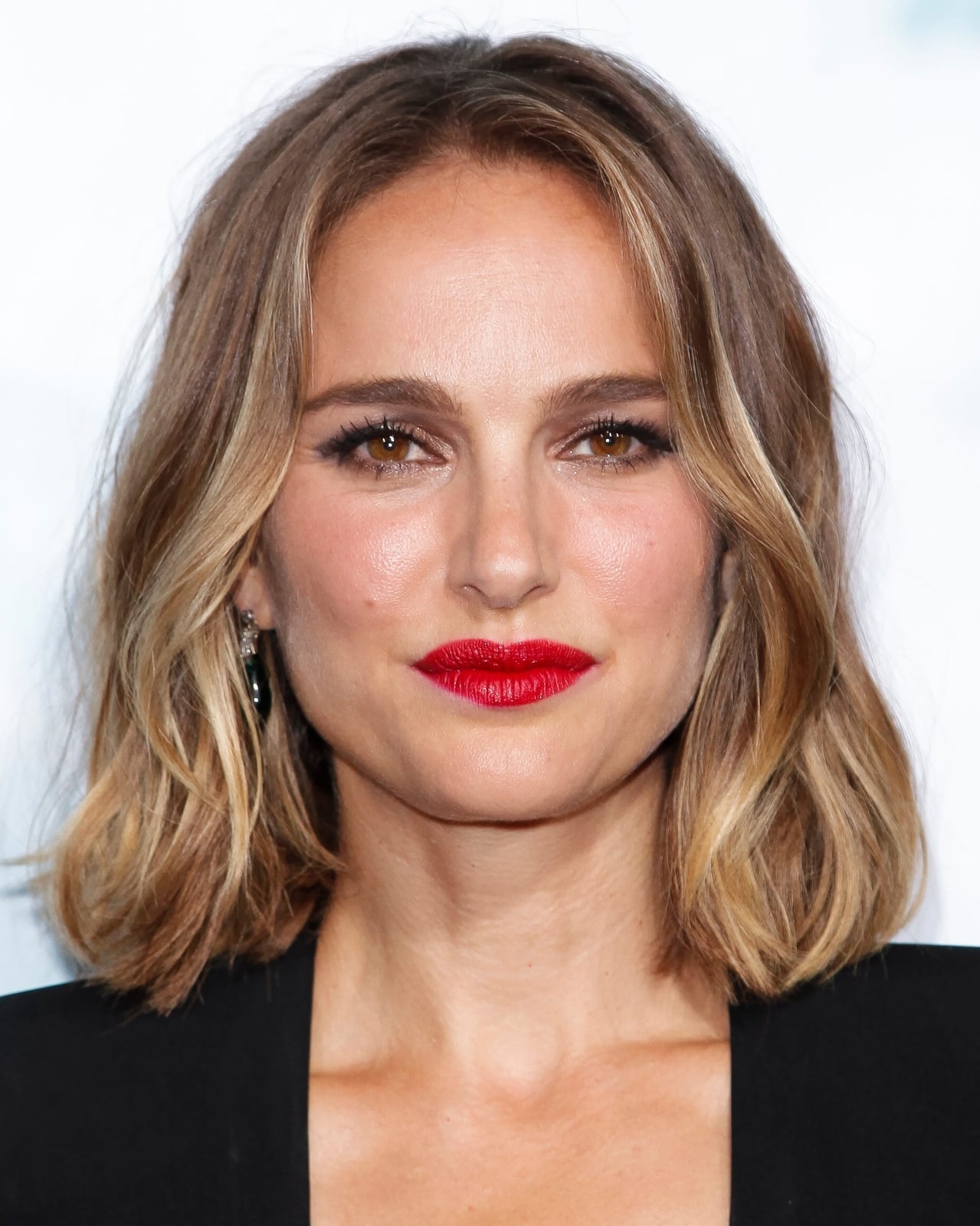
A lob works best when the color does not fight the cut. Here a dark blonde base meets lighter blonde balayage that starts below the ear, so the root stays deep and the ends lift. Fine, wavy hair holds the shape without product. Skip it if you prefer longer hair or have very thick hair. The lob looks heavy on dense texture.
Dark brown base with caramel balayage and a full fringe
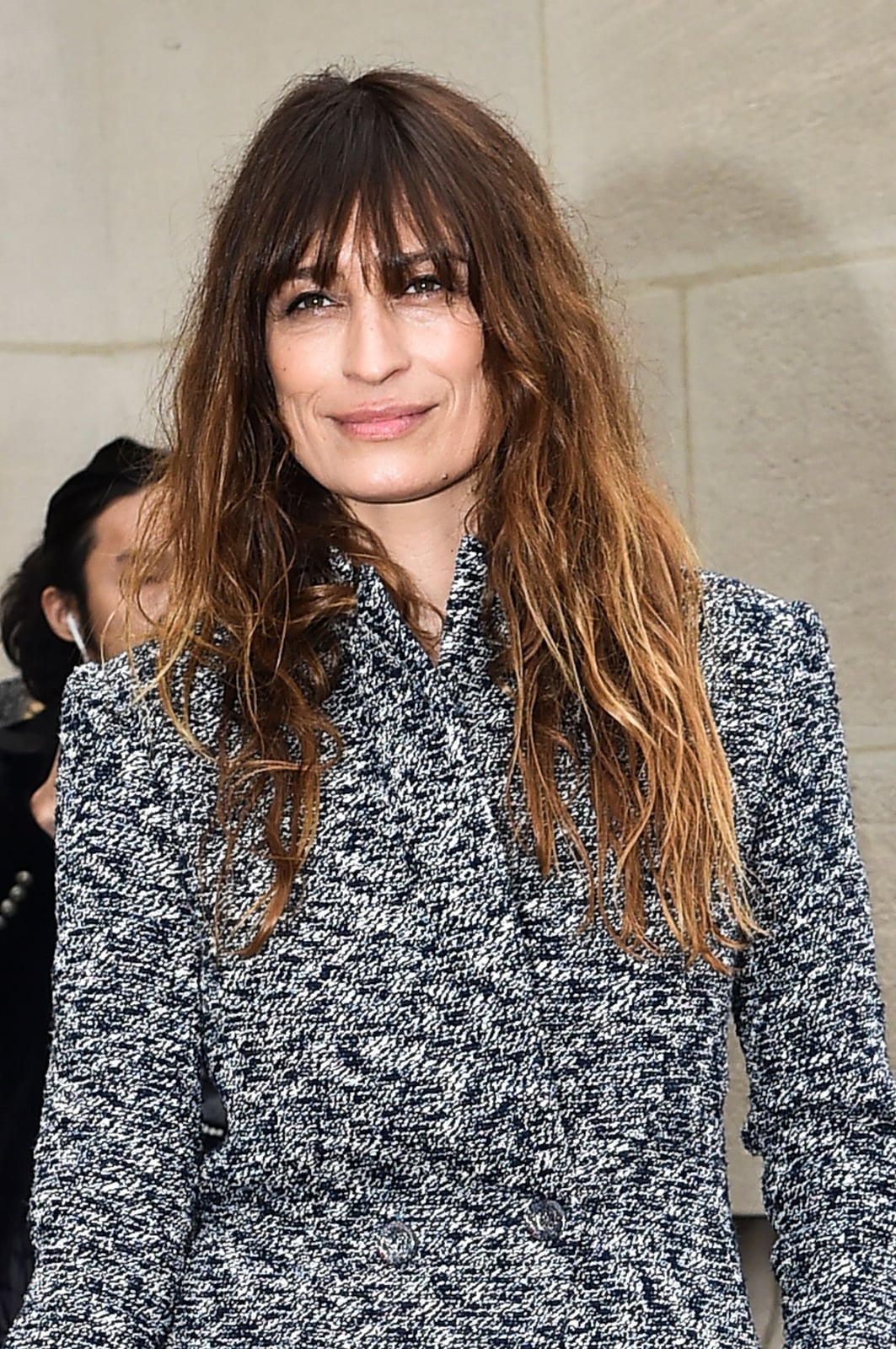
A full fringe does not limit your color options. A dark brown base with caramel balayage proves that. Balayage places lighter pieces through the ends, leaving the fringe in its natural dark brown shade. The tone stays warm and soft, never brassy. Fine, wavy texture holds the air-dried finish well, and subtle layers keep the shape from falling flat.
Air dry the hair and fringe, then smooth the fringe with a flat iron. A daily styling commitment is required, and coarse hair tends to kink overnight. Ask your colorist for: dark brown base, caramel balayage, subtle layers, full fringe.
Dark brown base with caramel balayage and subtle layers, close-up take
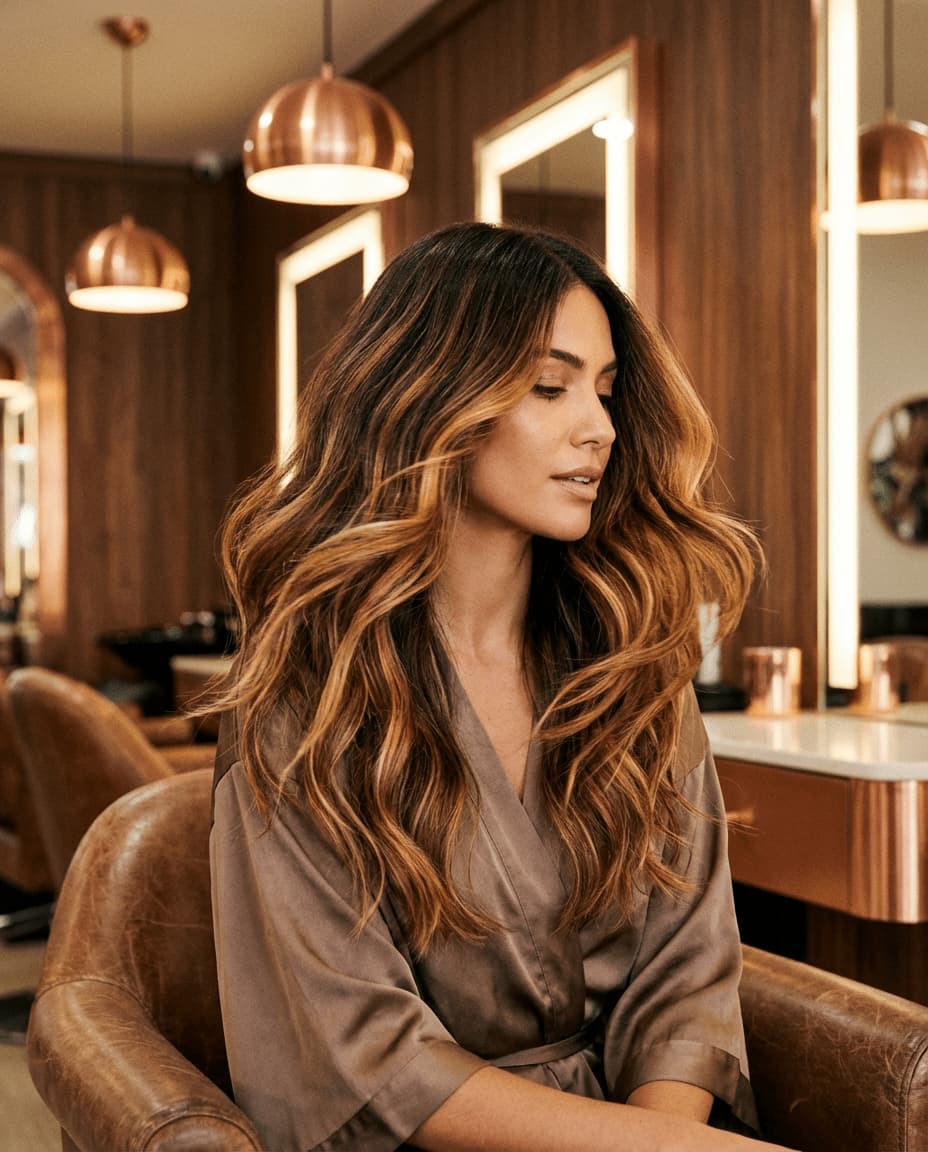
Loose waves and a side parting let the caramel balayage create a smooth gradient from dark brown to lighter tones. The dark brown base grounds the look while the caramel highlights show through the layers. Thick, wavy texture is ideal here. The layers add movement without losing volume. A salon-only technique because the caramel needs to be painted freehand for that blended effect. A blunt cut or fine hair that can’t hold the wave may not work as well.
Dark brown with subtle ash blonde balayage highlights
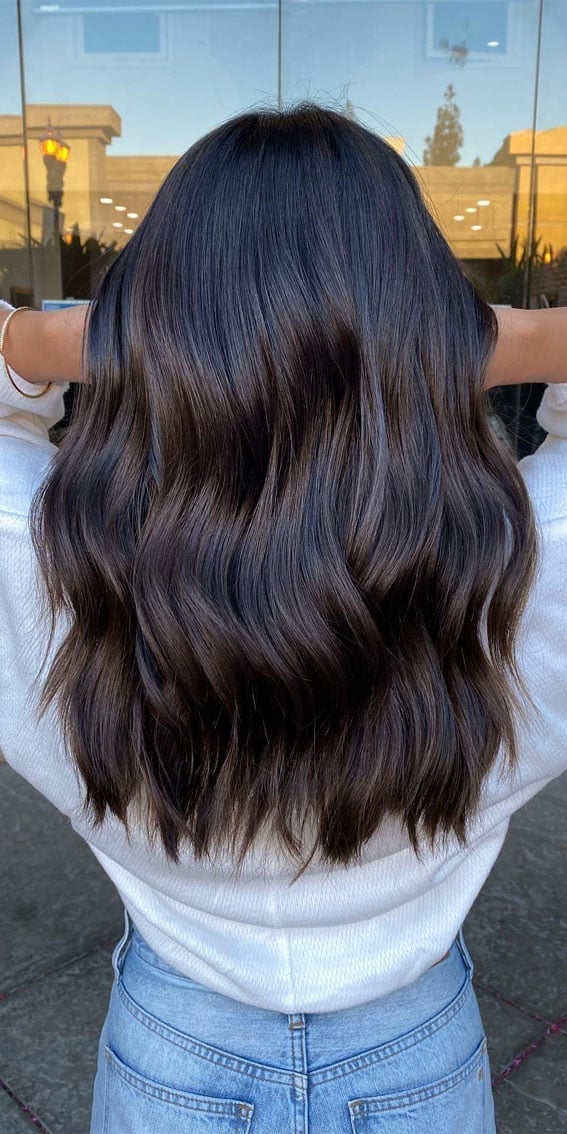
This look pairs a dark brown base with subtle ash blonde balayage highlights, creating a cool, modern contrast. The ash tone keeps warmth in check, so the result reads cool and modern. Thick, wavy layers give the color room to show its dimension. The blend is subtle enough that regrowth looks intentional. Warmer tones or fine hair that might look weighed down are better suited to a different option. Ask your colorist for: dark brown base, subtle ash blonde balayage.
Ash blonde base with lighter lighter highlights
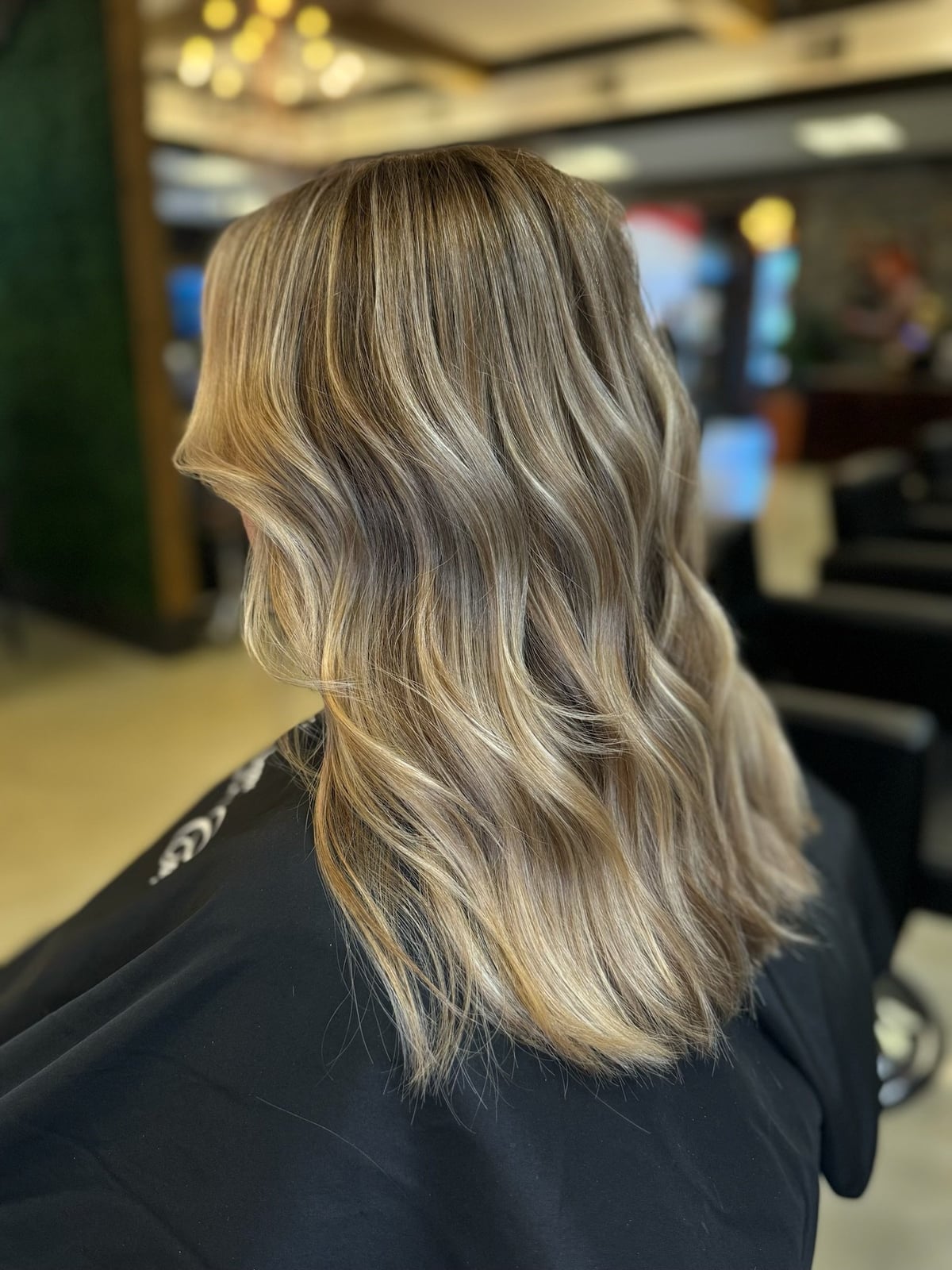
Start with an ash blonde base, then add lighter lighter highlights. That is the entire technical recipe. The lighter pieces are painted freehand for a soft transition. A center parting shows the symmetry of the color placement. Fine, wavy texture lets the highlights catch light without needing much styling. It suits cool skin tones.
Ash blonde balayage on layered hair with a side parting
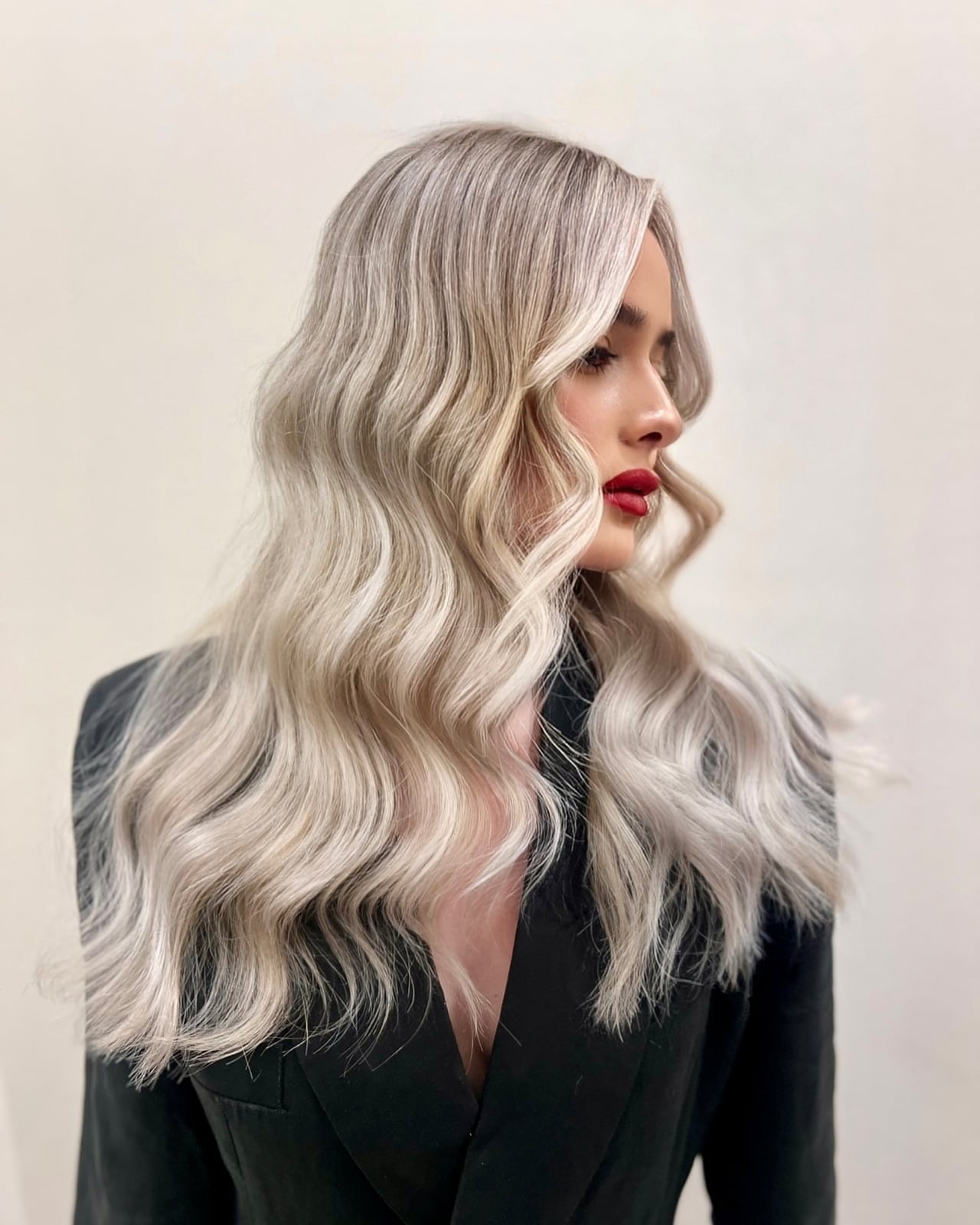
Soft layers and a deep side parting give this ash blonde balayage a clean, modern silhouette. The balayage technique keeps the color concentrated on the surface of each layer, so the ash tone shows dimension instead of a single block. Fine, wavy texture moves well with this cut. The side parting adds volume at the root on the heavier side. Warm tones or very dark hair would need multiple sessions to achieve this look. Ask your colorist for: ash blonde balayage, layered cut, side parting.
Lighter effect with dark blonde and ash blonde balayage
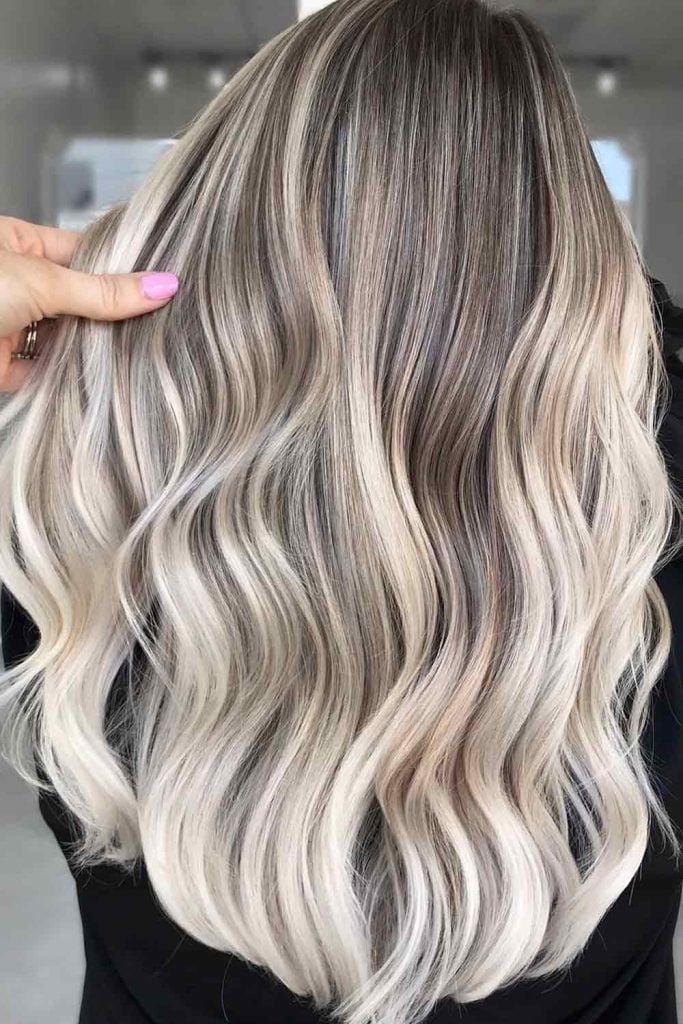
Two tones on thick, wavy hair need a middle part to show them off. A dark blonde base meets ash blonde highlights in this layered cut, and the contrast stays subtle because the balayage technique keeps the transition soft. Skip it if you have fine hair. The weight of thick texture is what gives the waves their hold. Suits all face shapes, but the length needs to hit at least collarbone for the blend to read properly. A volumizing spray at the roots keeps the shape from falling flat by midday.
Dark brown base with caramel balayage highlights
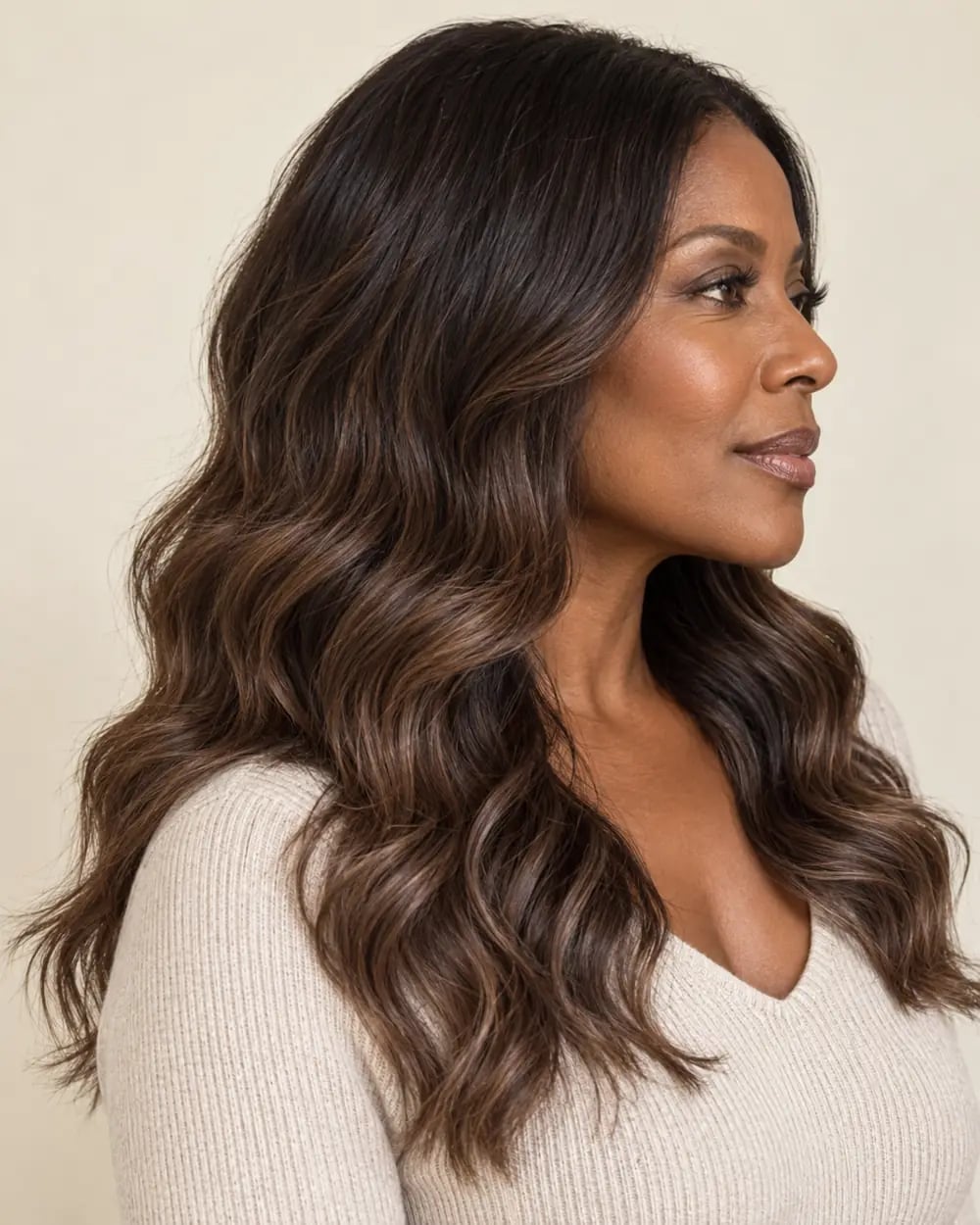
This one delivers exactly what it promises: warmth without brass. A dark brown base carries subtle caramel balayage through visible layers, and the soft waves let the lighter pieces catch the eye without shouting. The side part gives the color a natural flow, so the grow-out phase stays polite for weeks.
Upkeep is where the real work lives. A smoothing serum on damp hair before blow-drying cuts down the frizz that thick, wavy texture can throw at the lighter ends. The caramel will want a toning gloss every six to eight weeks to keep it from tipping into orange. Trim the layers on the same schedule, and the shape holds its movement without looking chopped.
Final Thoughts
Pick your balayage by the time you have for styling and the salon rhythm you can keep.
- Fine hair: choose a darker base with lighter ends for volume illusion.
- Ten minutes in the morning: go for a lived-in dark blonde that air-dries.
- Cool base that pulls brassy: book an ash or beige tone and use a purple mask at week four.
- Wavy texture: caramel balayage on a dark brown base keeps the contrast soft.
Find your signature elegant balayage and own the chair time.
