

28 Aesthetic Blonde Balayage Hair Color Ideas 2027
Aesthetic Blonde Balayage 2027 offers 28 hair color ideas like ash blonde layers and warm honey tones. Achieve sun-kissed waves with air-dried finishes.
You are sitting in the chair, the grow-out line at your roots a solid inch, and the stylist lifts a section to show you how the light hits the ends. That moment is exactly why a well-placed balayage earns its keep: it buys you months of no-root-touch-up sanity while still looking deliberate.
This collection holds 28 takes on Aesthetic Blonde Balayage 2027, from low-maintenance blends that let your natural base do half the work to higher-contrast finishes that demand a toning appointment every eight weeks. The struggle this solves: finding a blonde that does not fight your texture, your morning schedule, or your last cut.
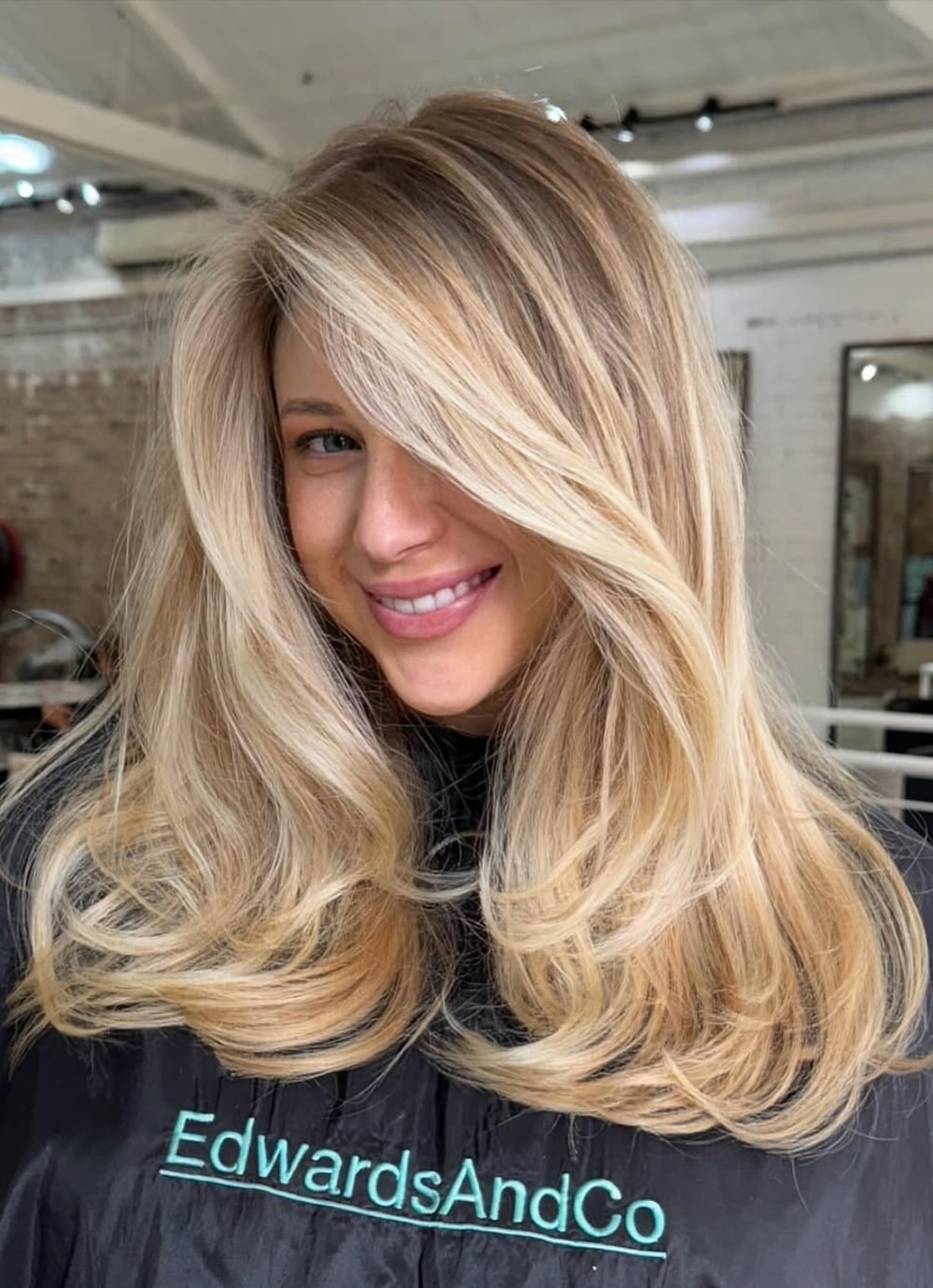
Ash blonde balayage with darker roots and soft layers
Side-swept bangs and soft layers set this ash blonde balayage apart from a standard grown-out root. Darker roots anchor the lighter ends, so the color looks deliberate rather than overdue for a touch-up. The bouncy blowout with gentle waves shows off the face-framing pieces without needing a full head of highlights. Fine to medium hair with a natural wave handles this best, starting at collarbone length. A solid color or very dark natural hair requires multiple sessions to achieve ash tones. A trim every six to eight weeks keeps the bangs and layers sharp.
Lighter balayage for natural, air-dried waves
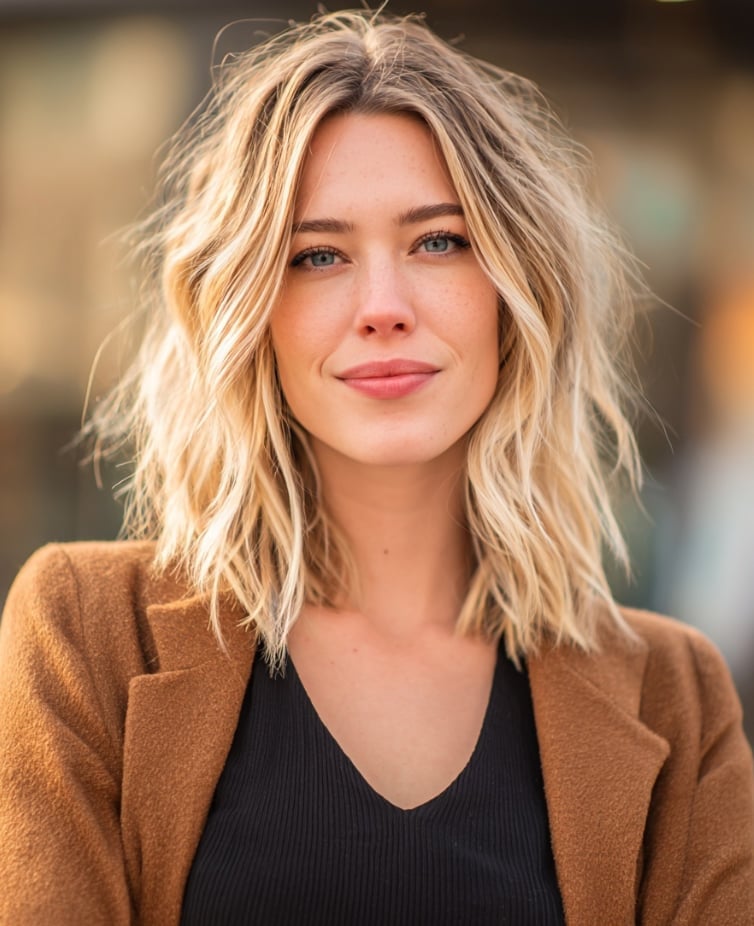
How do you get that lived-in blonde without spending every morning with a round brush? The answer is a lighter balayage on subtle layers with air-dried waves. Fine to medium hair at shoulder length air dries best here, as the texture holds the wave without heat. A neat, heat-styled finish or very coarse hair are not ideal for this look. Ask your colorist for: natural blonde balayage, lighter effect, subtle layers. Air dry with a sea salt spray for texture, and plan a trim every eight to ten weeks to keep the layers from looking stringy.
Honey blonde balayage with warm, lighter tones
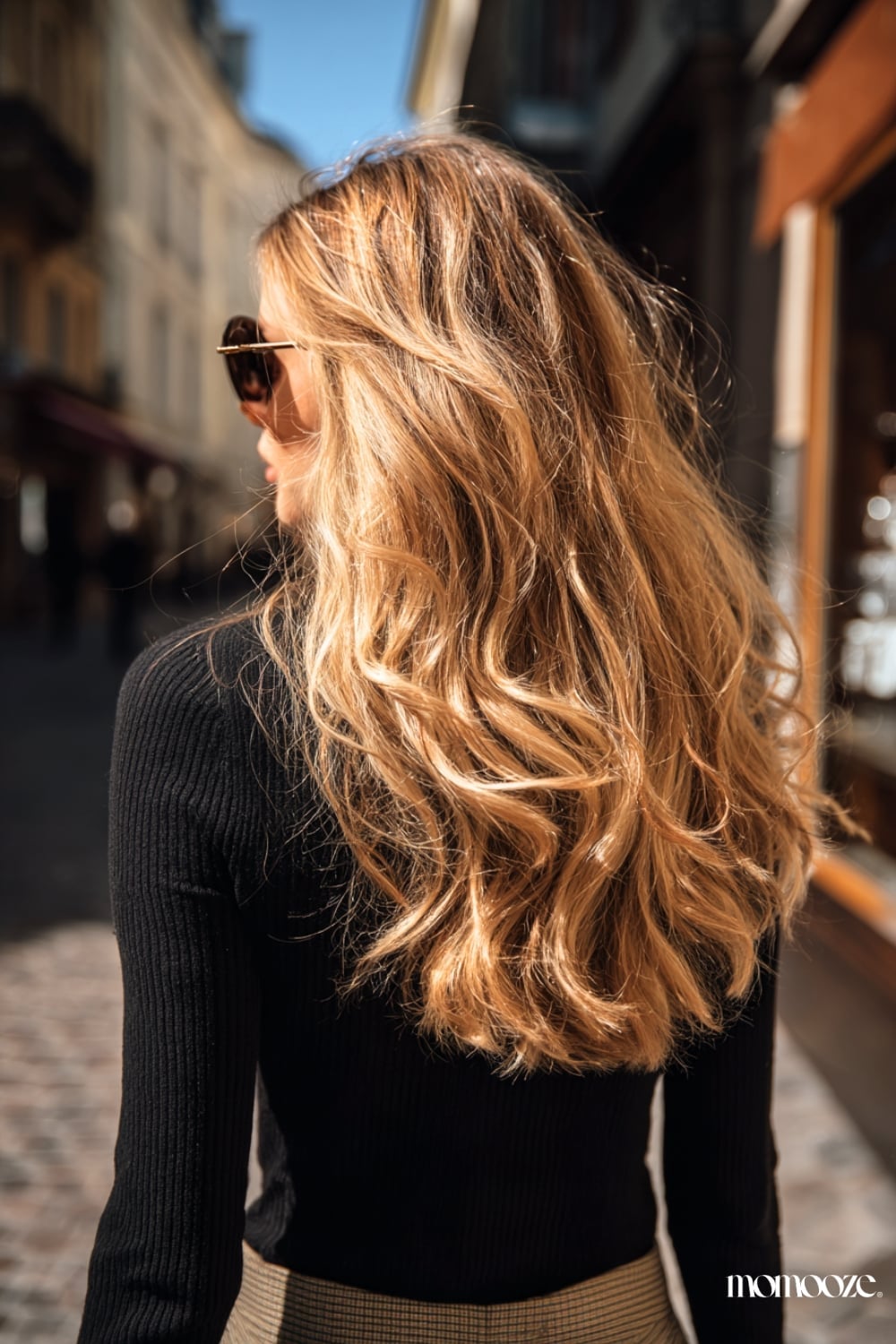
Cool ash blondes get the attention, but honey blonde balayage with warm, lighter tones offers something they cannot: a glow that works without a high-contrast root. Where ash looks edgy, this looks rich. The balayage technique creates a natural, blended look with subtle dimension, enhanced by loose waves. Thick, wavy hair of any length carries the warmth beautifully, and the tone softens round and square faces. Skip it if you prefer cool blonde tones or have very fine hair that may not hold the wave. A texturizing spray keeps the waves defined between washes.
Warm blonde for face-framing brightness without harsh lines
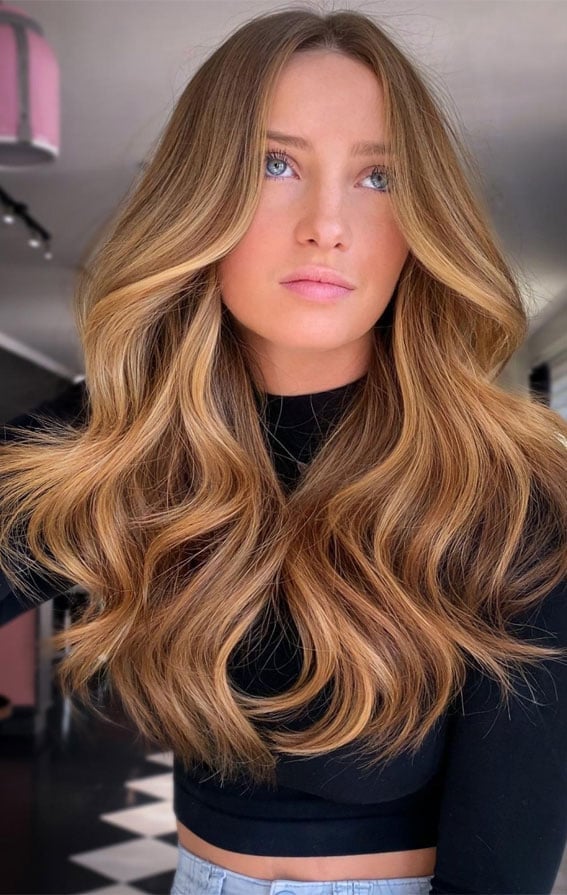
Lighter strands framing the face create brightness, but the trick is the blend. This warm, honey-toned blonde uses a smooth balayage technique so there are no harsh lines where the color starts. The middle parting and loose waves let the face-framing pieces catch the eye naturally. Thick, wavy hair of at least collarbone length holds the shape, and oval or long faces get the most lift from the brightness at the front. Skip it if you have a cool skin undertone or prefer ash-toned blondes.
Dark blonde base with lighter blonde tones
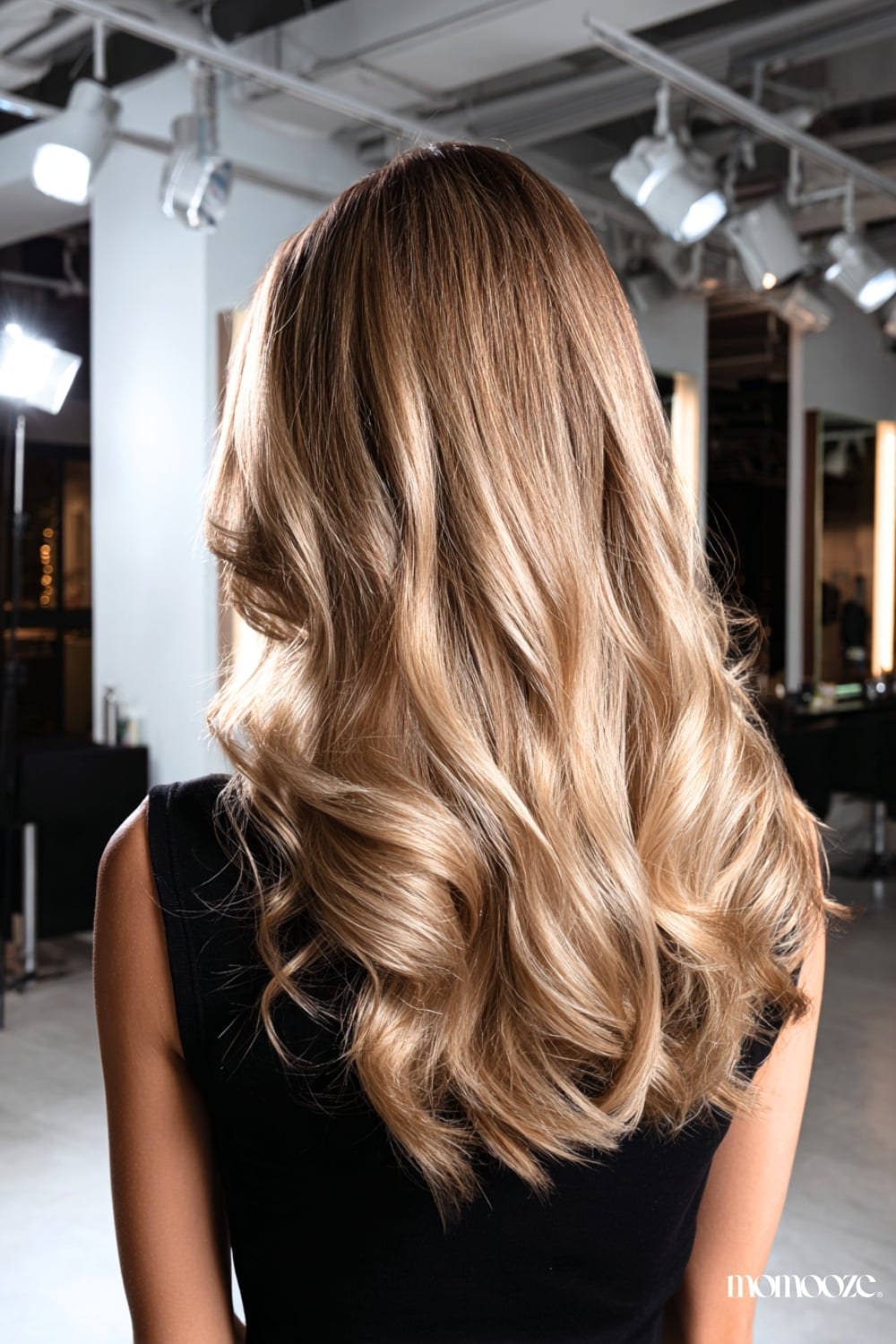
Dark blonde base with lighter lighter blonde tones is the low-commitment version of going blonde. The darker roots mean less frequent touch-ups, while the lighter ends give the lighter effect without a full bleach.
The lived-in look works because the balayage technique leaves the base mostly intact. Thick, wavy hair of any length shows off the dimension, and heart and oval face shapes benefit from the soft, middle-parted waves. Skip it if you want a dramatic blonde or have very fine hair that may appear less dimensional.
Dark blonde base with ash blonde highlights
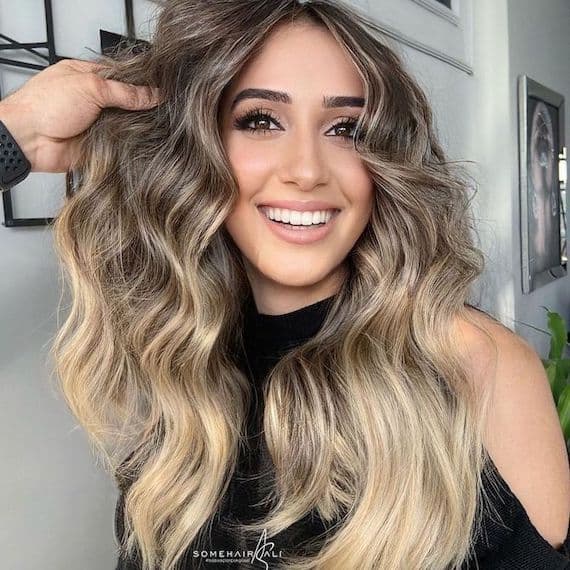
Dark blonde at the root, ash blonde through the mid-lengths and ends. The balayage technique keeps the transition soft, not stripey. Thick, wavy hair shows off the contrast best. Skip it if you prefer warm blonde tones. Tell your colorist: dark blonde base, ash blonde highlights, balayage technique.
Ash blonde balayage with platinum highlights and curtain bangs
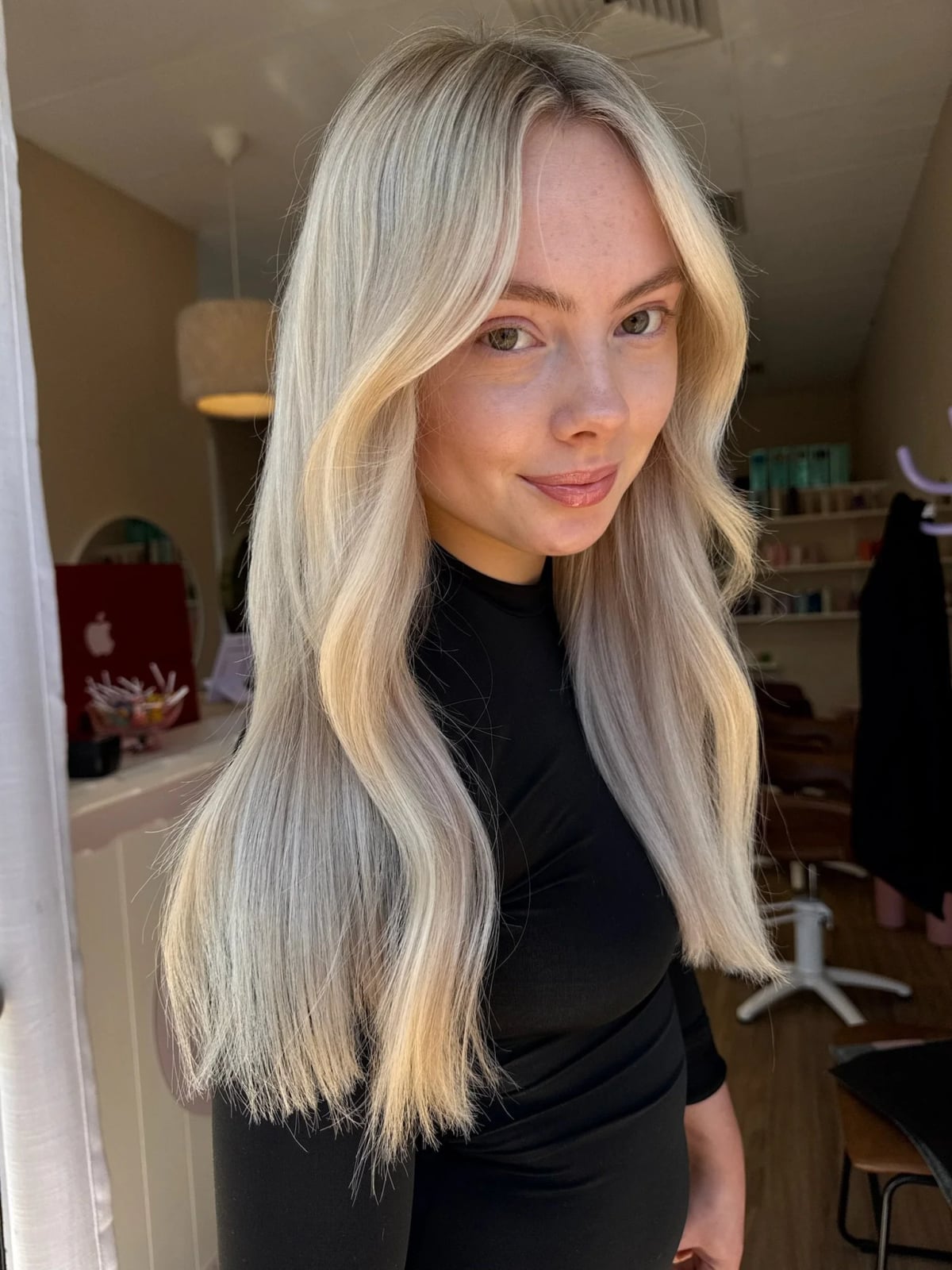
Not quite platinum all over, not just a rooty ash. This one uses an ash blonde base with subtle platinum highlights woven through the balayage. Curtain bangs and soft layers frame the face without losing length. Fine hair of at least collarbone length holds the wave well. Skip it if you dislike the upkeep of ash and platinum tones.
Lighter balayage effect with dark blonde and golden tones
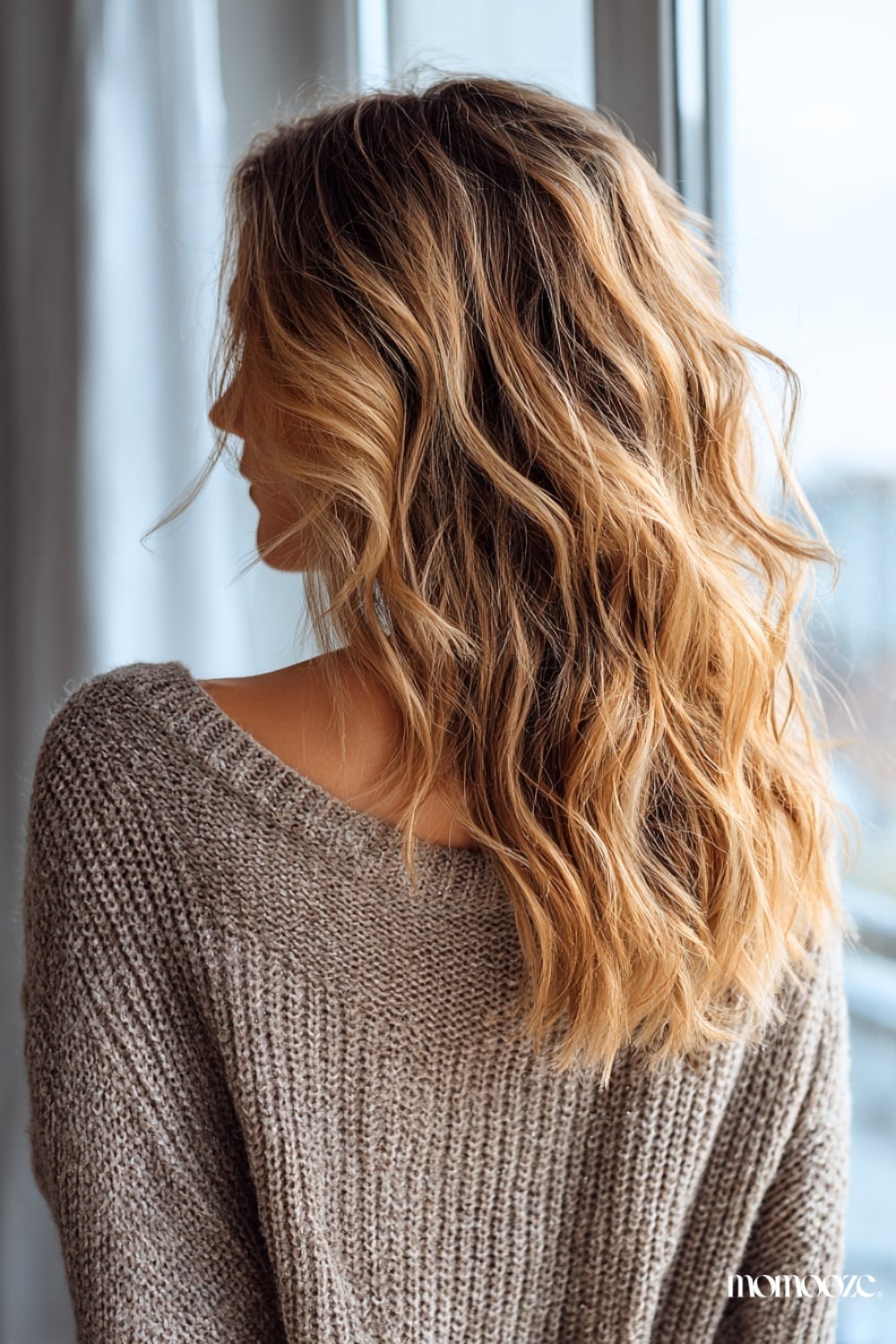
How do you get that lighter look without the sun? Dark blonde base with smooth golden-toned highlights. The balayage technique paints the lighter pieces where light would naturally hit. Loose, beachy waves make the effect look a day at the coast. Thick, wavy hair of any length works here. Enhance the wave with a texturizing spray.
Dark blonde base with high contrast ash toned highlights
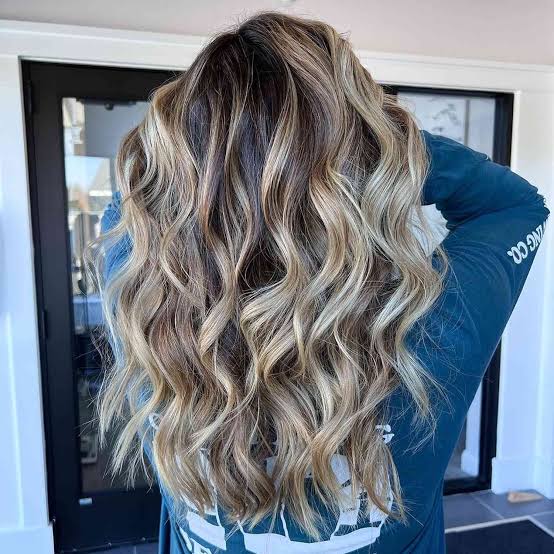
Subtle blend on one side, high contrast on the other. This one goes for a clear separation between the dark blonde base and the ash-toned highlights. The balayage technique places lighter strands throughout, creating a textured, thick appearance. Loose waves show off the contrast. Thick, wavy hair suits this best. Skip it if you prefer a soft, blended transition. Tell your colorist: dark blonde base, ash toned balayage, high contrast.
Face-framing blonde pieces with dark blonde and ash tones
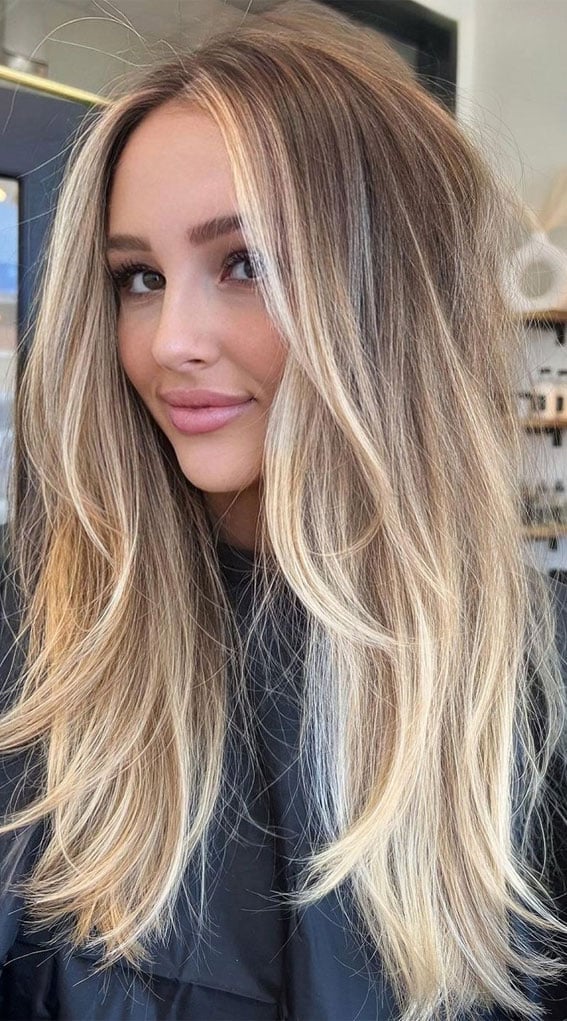
Face-framing curtain bangs pull the eye forward. Dark blonde base with ash blonde highlights, applied through a balayage technique. The lighter pieces concentrate around the face and through the ends. Fine hair with layers, at least collarbone length, flatters oval and heart face shapes. Skip it if you dislike bangs or have very thick hair that may make the face-framing pieces look heavy.
Brunette base with lighter blonde balayage lob, close-up take
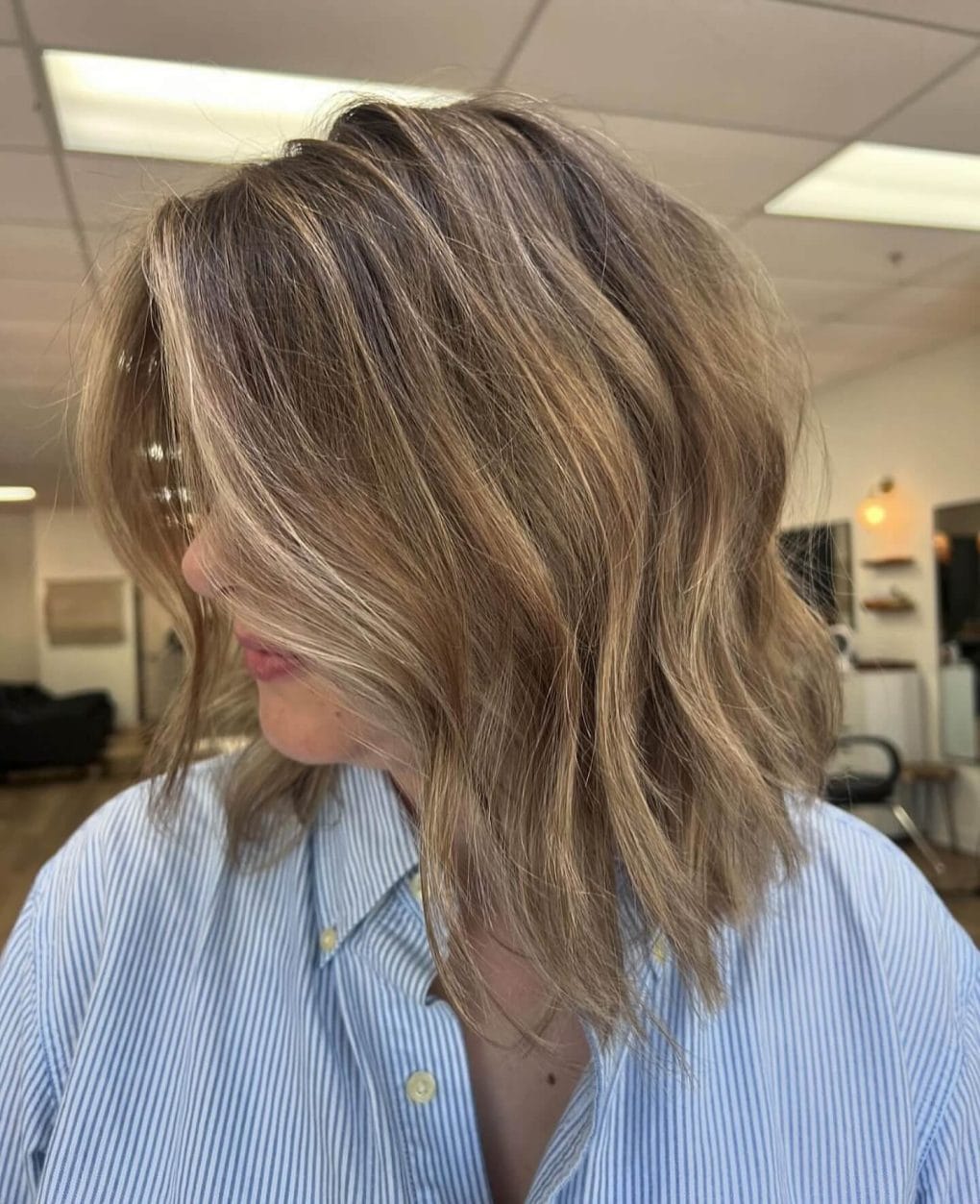
Set this against a full blonde lob and the difference is the base. A brunette base with lighter blonde balayage keeps the darker color close to the root, so the lighter pieces create a natural lift rather than a total commitment. The wavy lob hits just above the shoulder, with a side parting and a soft blowout that adds volume without fighting the fine texture. Fine hair at collarbone length or longer carries the lightness well; the lob cut prevents the ends from looking sparse. A dramatic blonde or very thick hair may appear less dimensional in a lob. The blowout with soft waves takes about fifteen minutes.
Thick wavy texture showing off dark blonde ash balayage
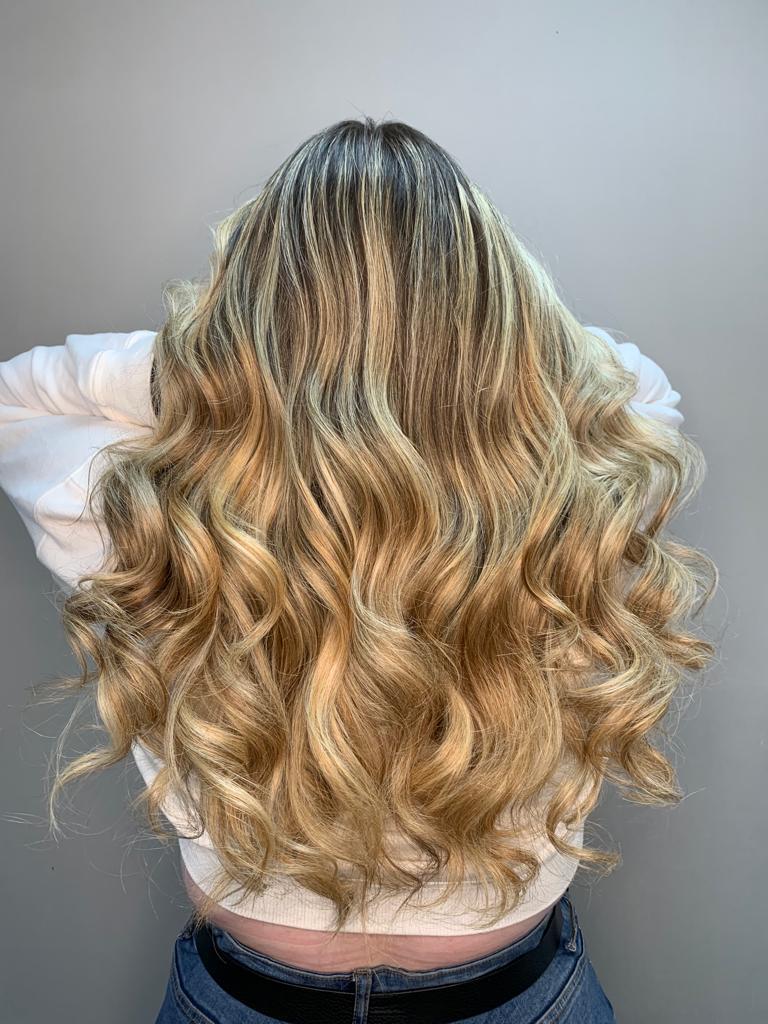
Two tones, one technique. The dark blonde base sits close to the root, then ash blonde balayage sweeps through the ends. Thick, wavy texture gives the color somewhere to live. The loose wave pattern breaks up the blonde, so it appears blended not striped. Choose warm blonde tones or fine hair may not hold the wave. The balayage itself relies on a hand-painted application, not foils, which keeps the line soft.
Cool ash blonde with darker roots and soft waves
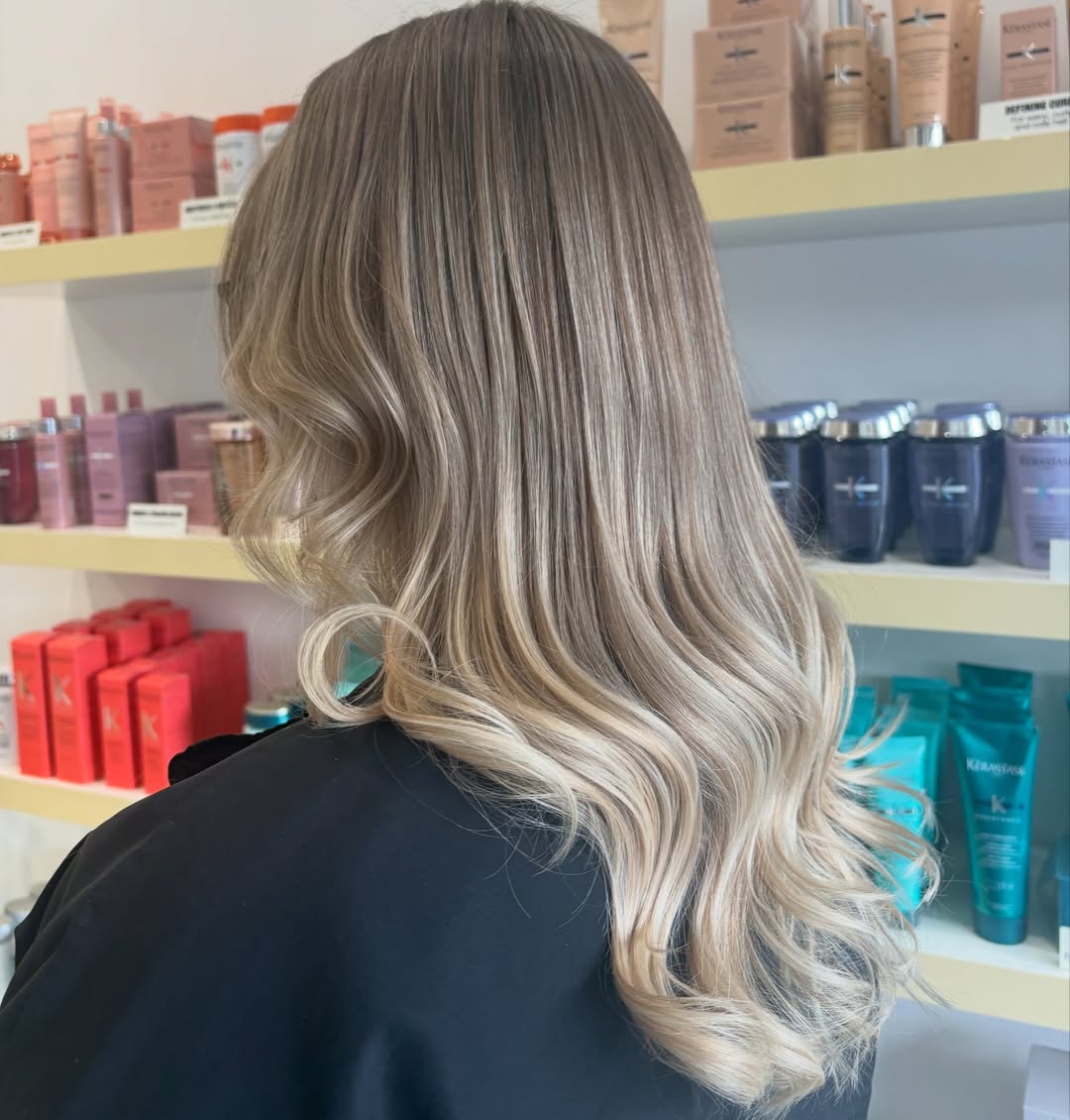
A cool ash blonde tone, starting darker at the root and softening toward the ends. The subtle, blended highlights are painted freehand, so the transition looks natural rather than striped. Soft waves add texture without fighting the color. Fine hair with layers, at least shoulder length, works best here. Not for anyone with a warm skin undertone who prefers rich blonde tones. The middle part and the layers create the volume, not a heavy blowout.
Lighter ash blonde balayage with darker roots
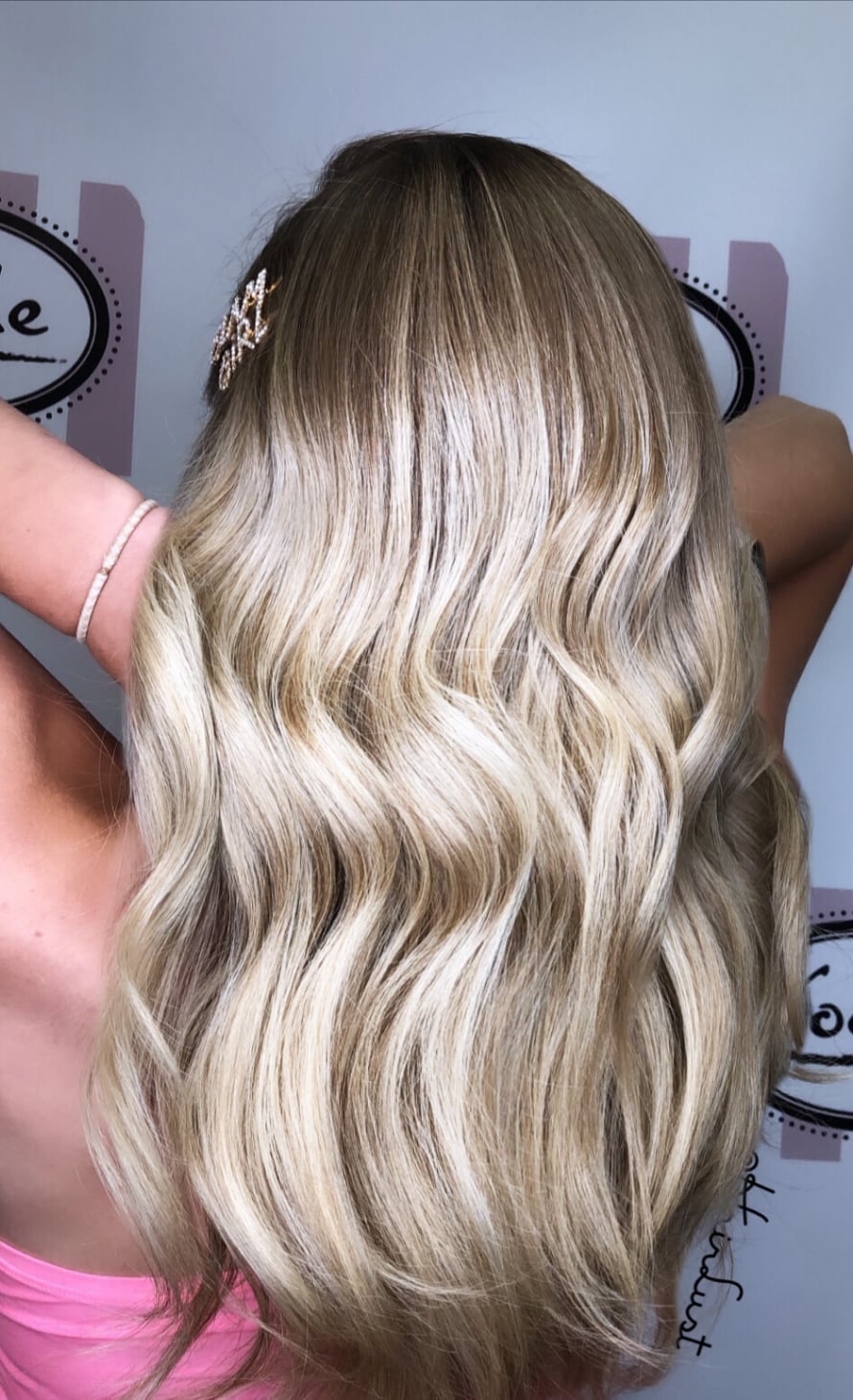
Tell your colorist: ash blonde balayage, darker roots, lighter effect. The darker root is intentional, not grow-out. Ash blonde tones sweep through the mid-lengths, lightening just enough to catch light. The waves add movement and volume, which helps the lighter effect look natural. This technique works best for medium to thick hair. A wavy blowout keeps the shape for two to three days.
Warm blonde balayage with a blunt cut finish
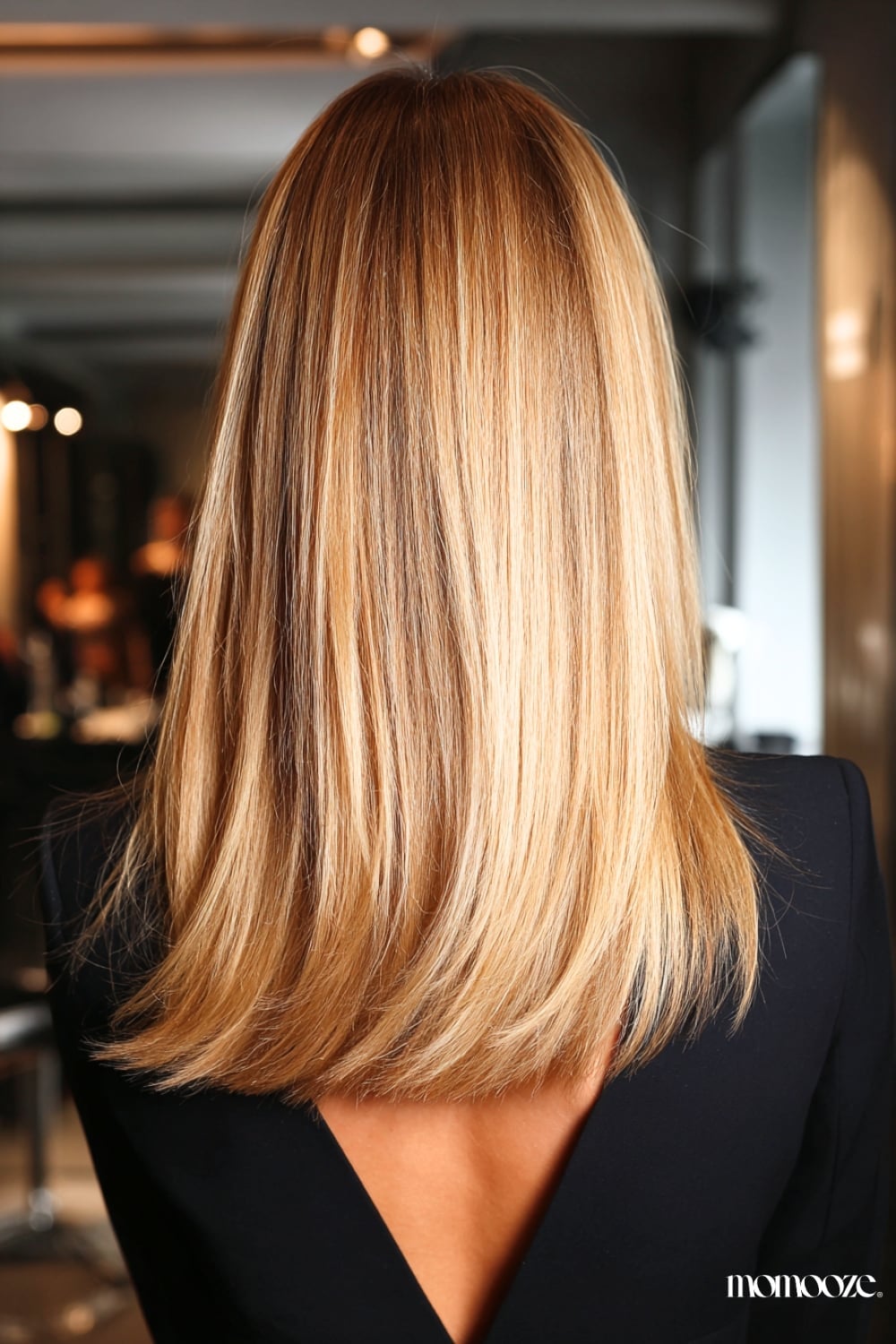
A warm blonde balayage against a blunt cut is a contradiction. The color is lighter, the line is sharp. Fine, wavy hair benefits from the contrast. A blunt baseline suits round and square faces. The air-dried finish with fine waves keeps the look modern.
Ash blonde balayage with darker roots and curtain bangs
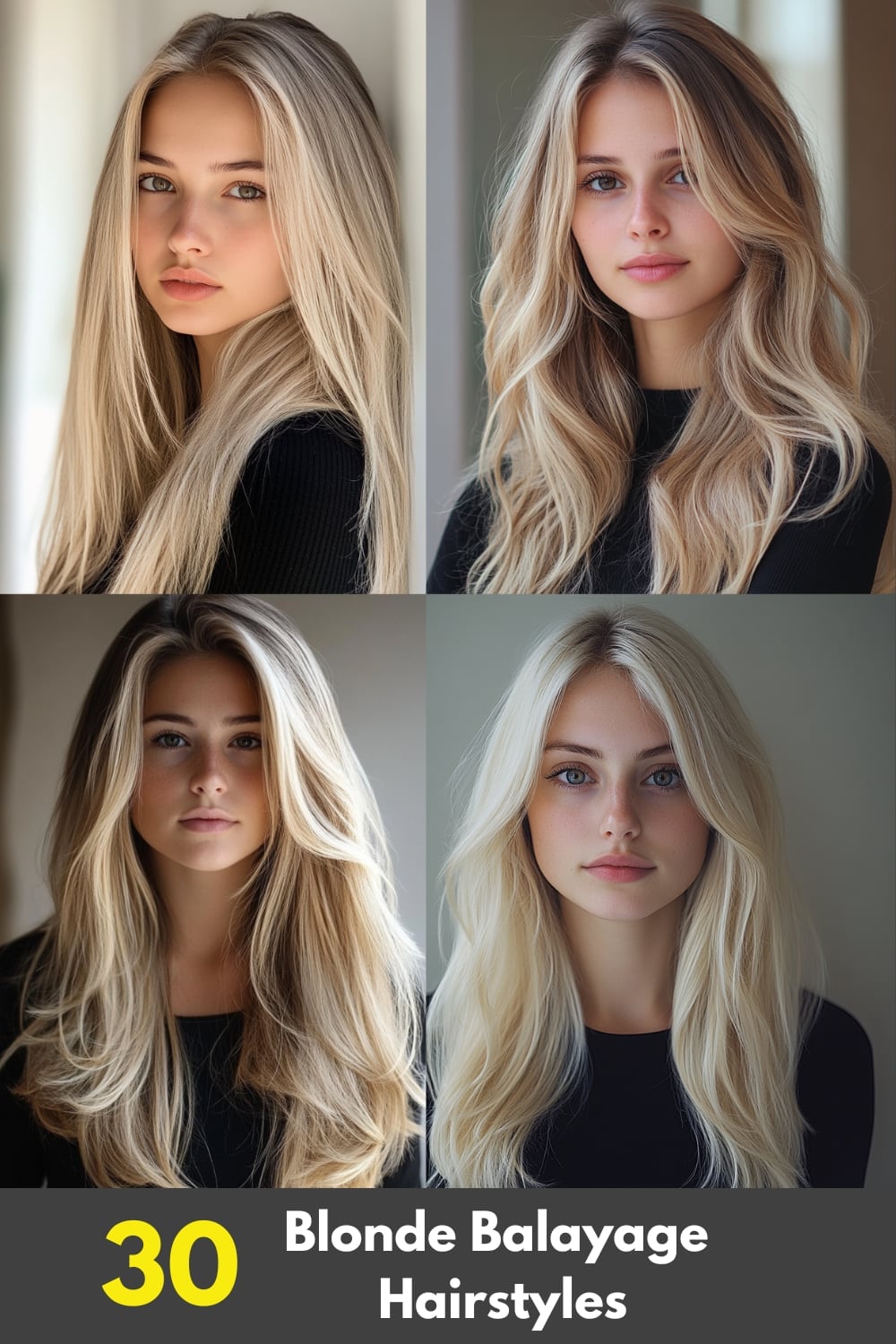
Darker roots meet ash-toned ends in a gradient that skips the harsh grow-out line entirely. The curtain bangs soften the face without committing to a full fringe. Fine hair with layers at collarbone length or longer carries the lightness well; oval and heart shapes get the most lift from the front pieces. Skip it if you have very thick hair, as the face-framing sections can read heavier than intended.
Dark blonde base with ash blonde highlights and curtain bangs
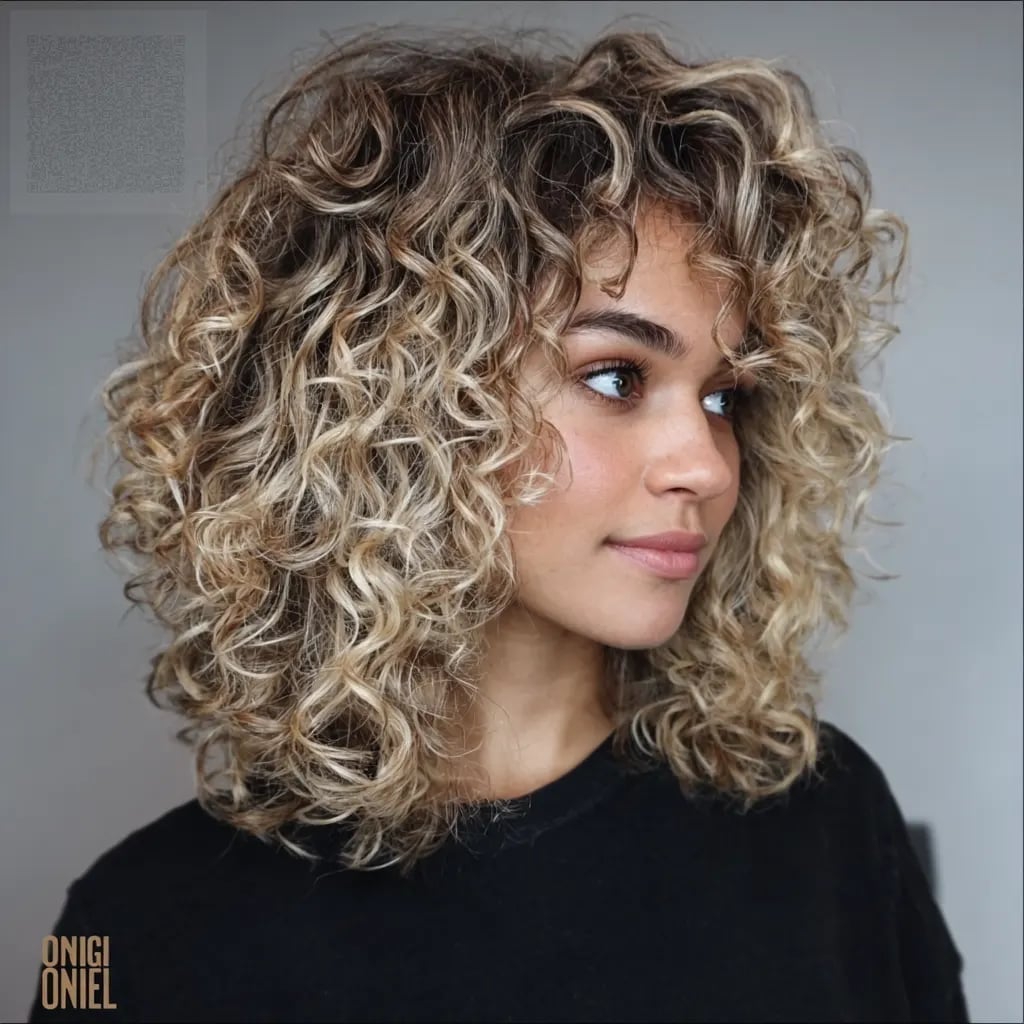
Thick, wavy texture takes the ash highlights differently than fine hair does, with each strand catching its own slice of the cool tone. The dark blonde base keeps the contrast grounded, so the lighter pieces feel like a natural lift rather than a separate color. Curtain bangs frame the face without the commitment of a straight-across cut. Air-dried waves work here, but expect to refresh the wave pattern with a texturizing spray on day two.
Lighter balayage with dark blonde and honey tones, side-swept
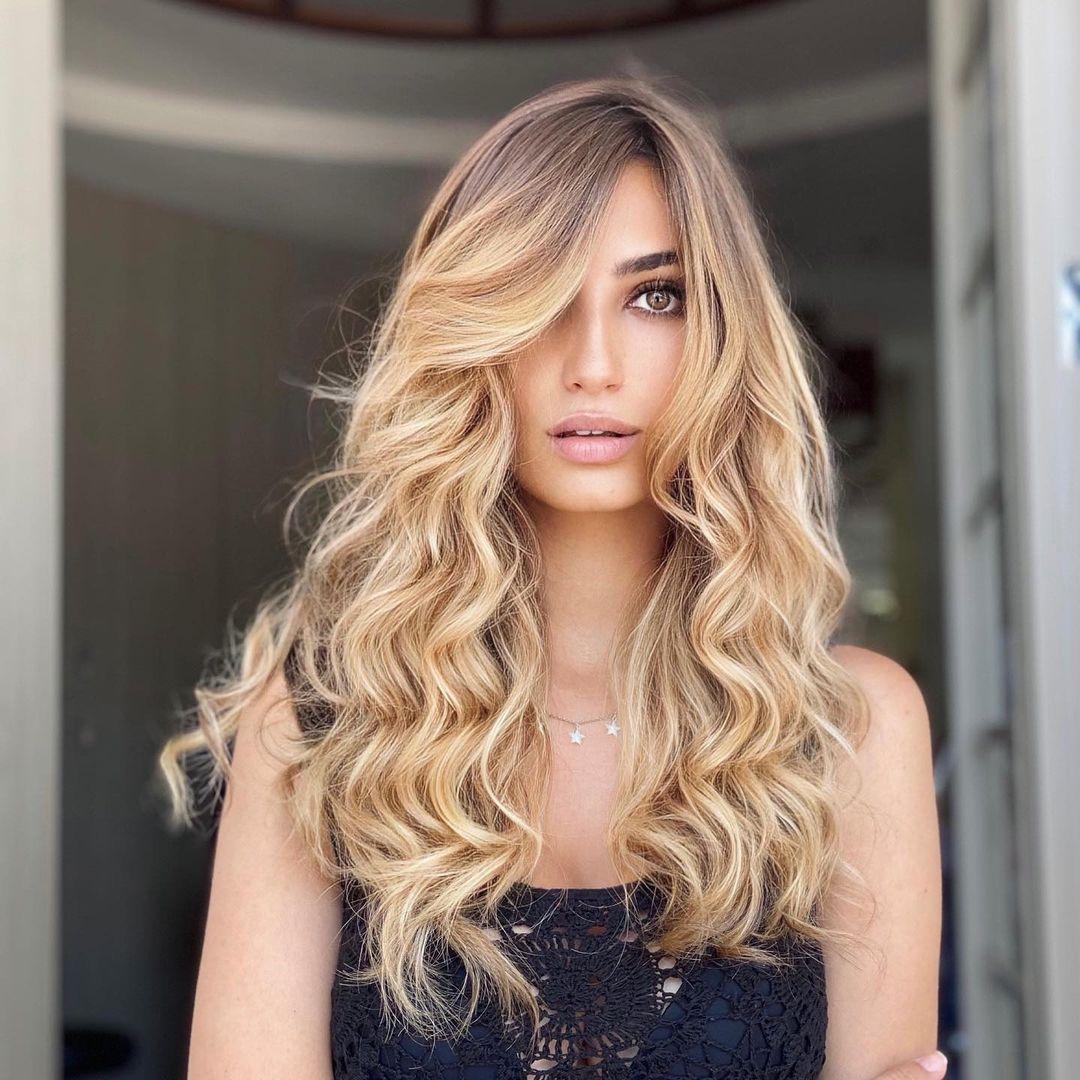
Honey-toned highlights layered over a dark blonde base create a warmth that ash alone cannot deliver. The side-swept fringe breaks up the symmetry, drawing attention across the face rather than straight down. Thick, wavy hair at collarbone length or longer holds the wave pattern best; oval and long face shapes benefit from the horizontal line the side part creates. Skip it if cool blonde is your default, as the honey will read distinctly warm. A blowout with loose waves is the styling sweet spot, and the fringe needs trimming every four to six weeks.
Dark blonde base with ash toned highlights and curtain, close-up take
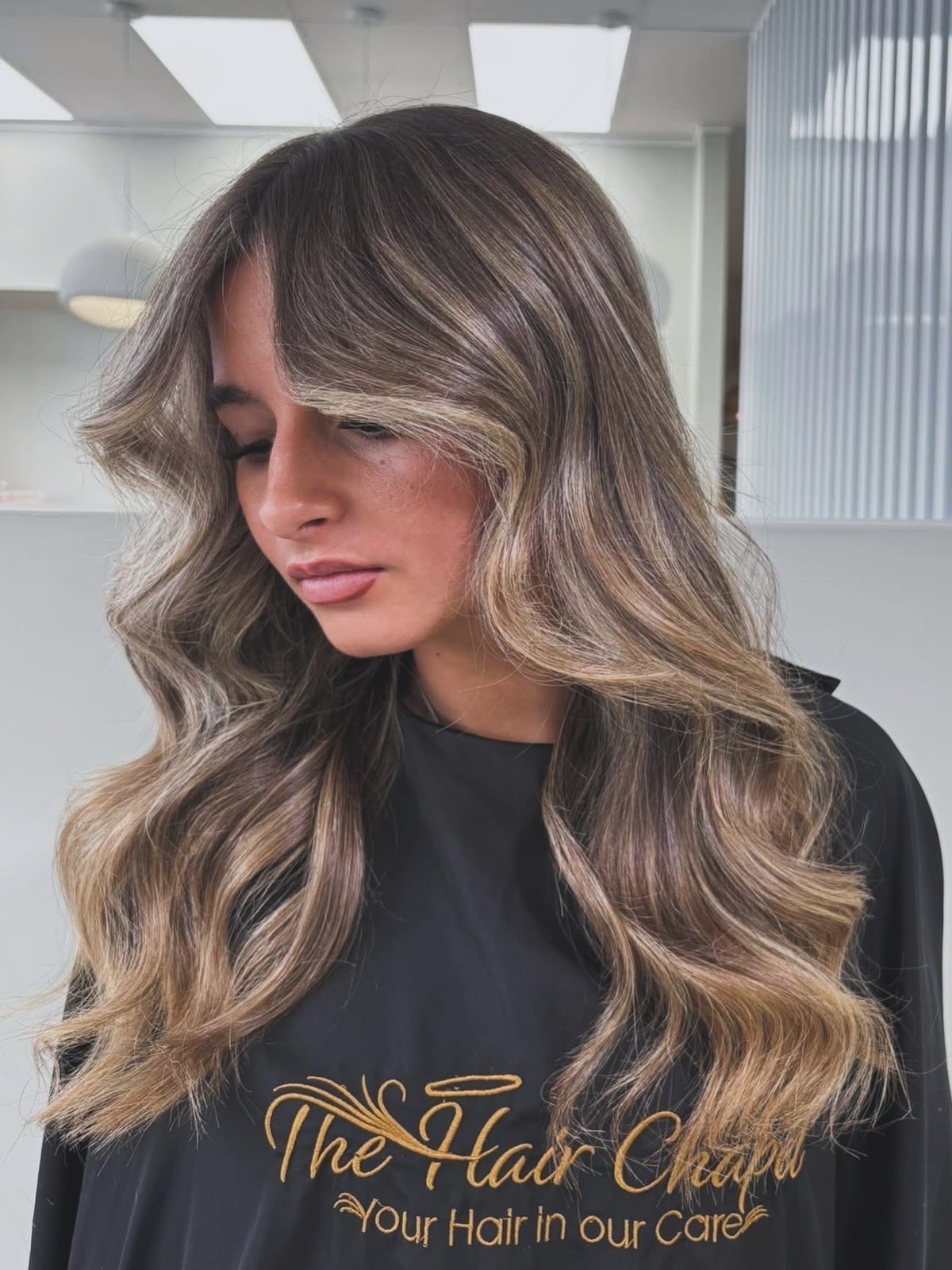
Where a full ash blonde can wash out fine hair, a dark blonde base with ash-toned highlights keeps the depth while adding a cooler surface. The curtain bangs in this version are cut to graze the cheekbone, which works best on oval and heart face shapes. Fine hair benefits from the soft layering, as it adds volume without removing density. Skip it if you dislike bangs, since the curtain pieces are the main event here.
Smooth blonde balayage transition on dark brown base
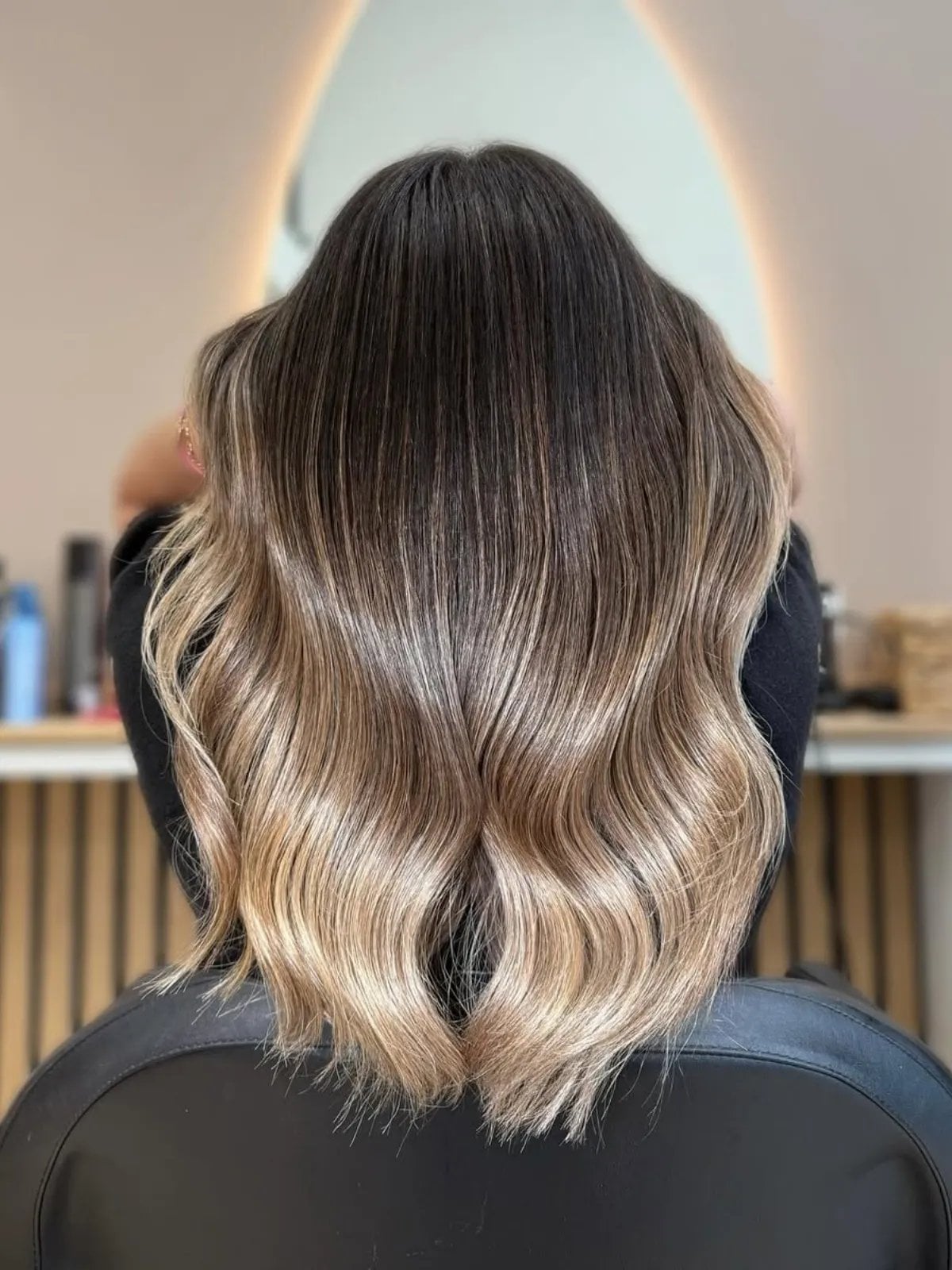
Tell your colorist: dark brown base, smooth blonde balayage, highlights concentrated toward the ends. The transition is gradual enough that the root line stays invisible for months, which is the whole point of a lived-in color. Thick, wavy hair shows the blend best, as the texture breaks up the color into natural-looking variations. Most face shapes work here because there are no bangs to negotiate. The dark brown base means no toner touch-up every four weeks, just a gloss when the tone starts to shift.
Dark blonde base with ash blonde highlights concentrated at ends
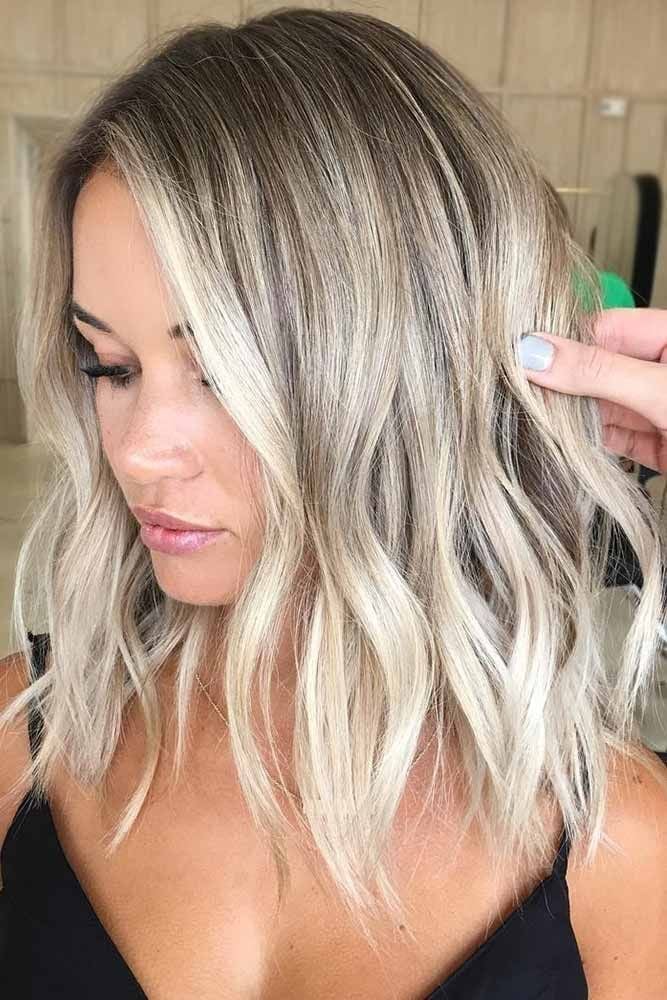
Concentration at the ends changes the whole read. This dark blonde base stays natural near the roots while ash blonde highlights take over below the ears. Loose waves show the contrast without making it harsh. A high contrast look or very thick hair may not show the blend well. Fine hair with layers, at least collarbone length, gets the most mileage from this design.
Ash blonde to icy white ends with subtle layers
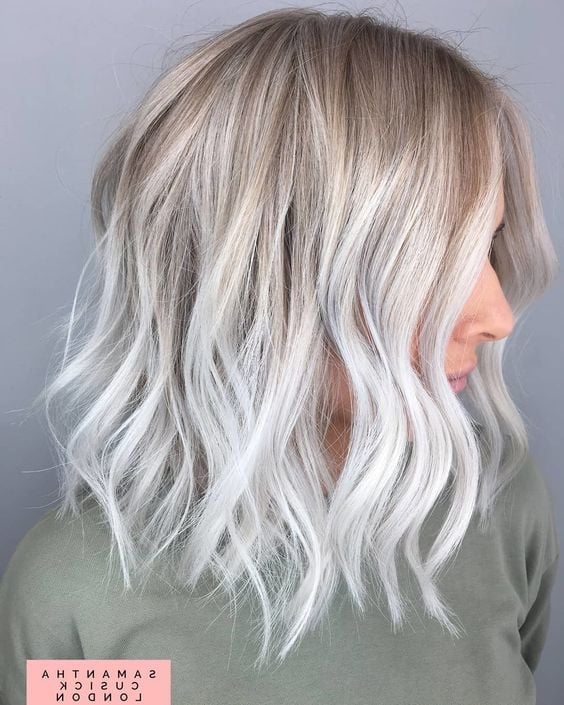
Set this against a standard ash blonde and the difference is the destination. Subtle layers let the gradient travel from ash blonde roots to icy white ends without a hard line. Waves push the lightest pieces forward. Not for anyone who dislikes the maintenance of icy white tones. Oval and long face shapes get the clean elongation from the vertical color spread. Fine hair with subtle layers, at least collarbone length, holds the blend best.
Ash blonde balayage with face-framing layers and curtain bangs
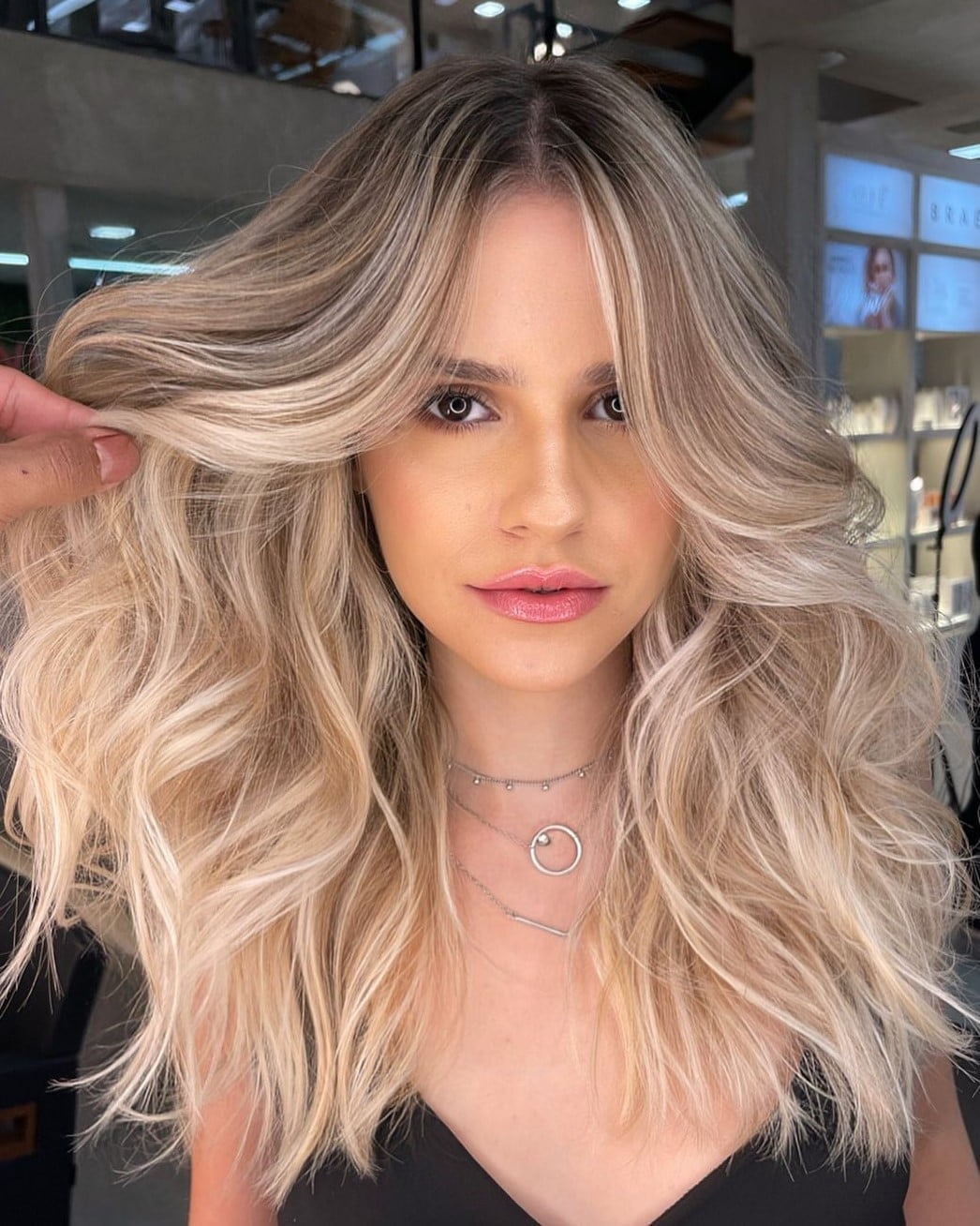
This one works because the face-framing layers and curtain bangs share the same job. Ash blonde balayage lightens toward the ends, and the curtain bangs catch that lighter tone first. Loose waves keep the volume from turning heavy.
Upkeep here is about the bangs. The layers can go eight to ten weeks. A blowout with loose waves refreshes the shape between appointments. This style requires blending and is salon-leaning.
Lighter balayage effect on dark blonde base with layers
Start with a dark blonde base and paint lighter blonde highlights through the mid-lengths and ends. That is the technical move for a lighter balayage effect. Soft waves help the transition look natural. Straight to wavy fine hair with layers, at least collarbone length, shows the blend without it getting muddy.
Dark brown base with blonde and gray highlights
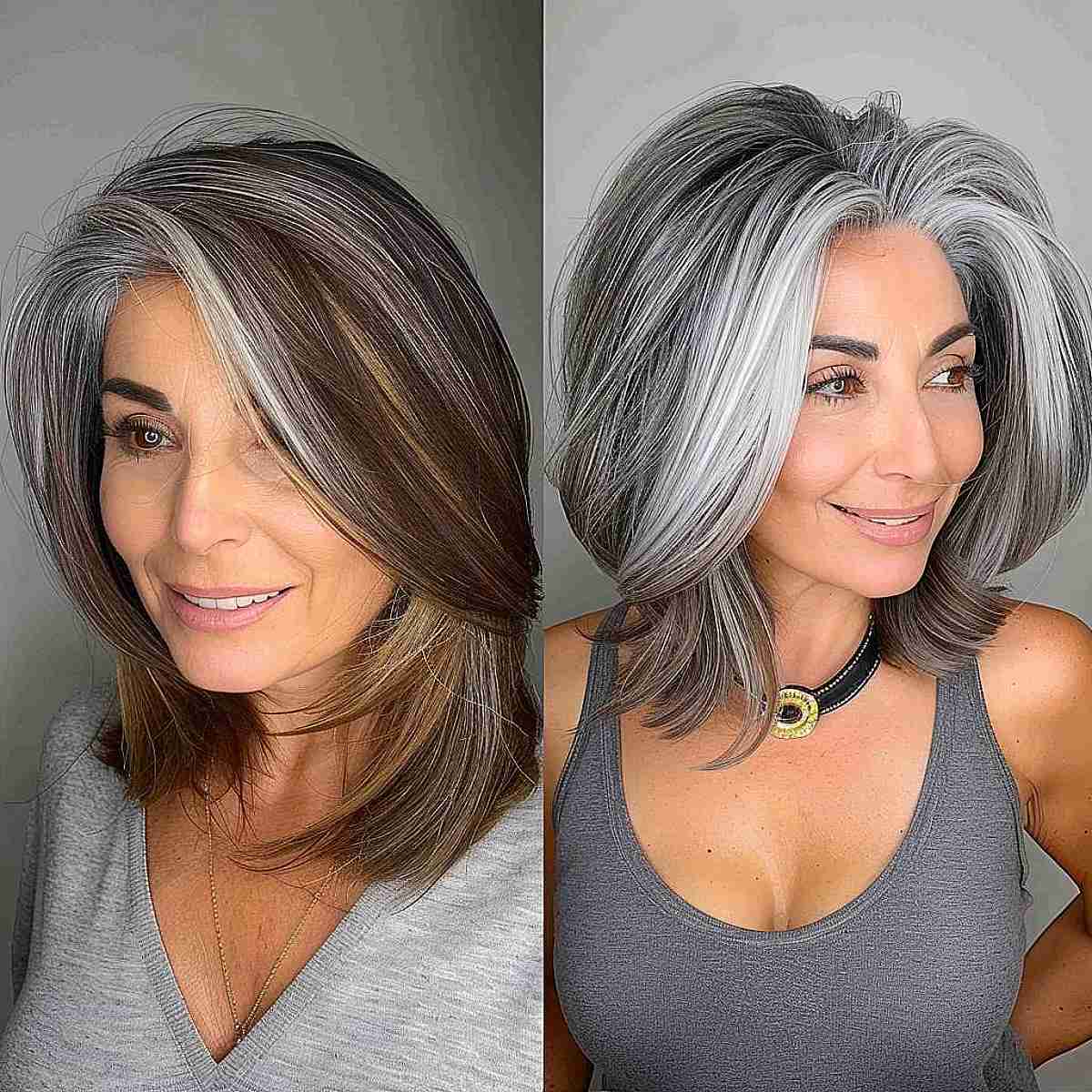
A lob with layers and a side parting gives this an editorial look. Dark brown base grounds the look while blonde balayage and cool-toned gray highlights create contrast. A soft blowout keeps the texture neat. Fine hair with layers, at least collarbone length, styled as a lob, shows every tone distinctly. It works best for fine hair; thick hair may appear less dimensional in a lob. Tell your colorist: dark brown base, blonde balayage, gray highlights, lob with layers.
Lighter blonde balayage on thick wavy hair
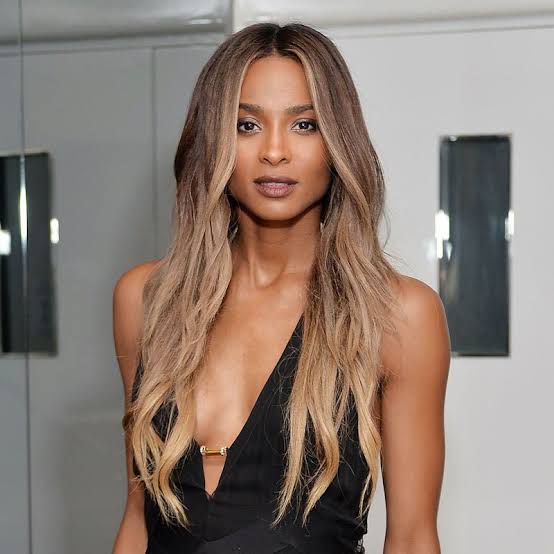
Thick, wavy hair does the blending work for you. The dark brown base rises into lighter blonde ends, the balayage technique painting color where natural light would hit. A loose blowout shows off the tonal shift without fighting the texture. The wavy pattern catches the tone differently at every bend, so the grow-out phase looks natural.
This blend relies on subtlety, and very fine hair may not show the dimensional shift as clearly. The texture needs enough weight to carry the wave through a blowout without collapsing by midday.
Dark brown base with sandy blonde balayage highlights, wavy
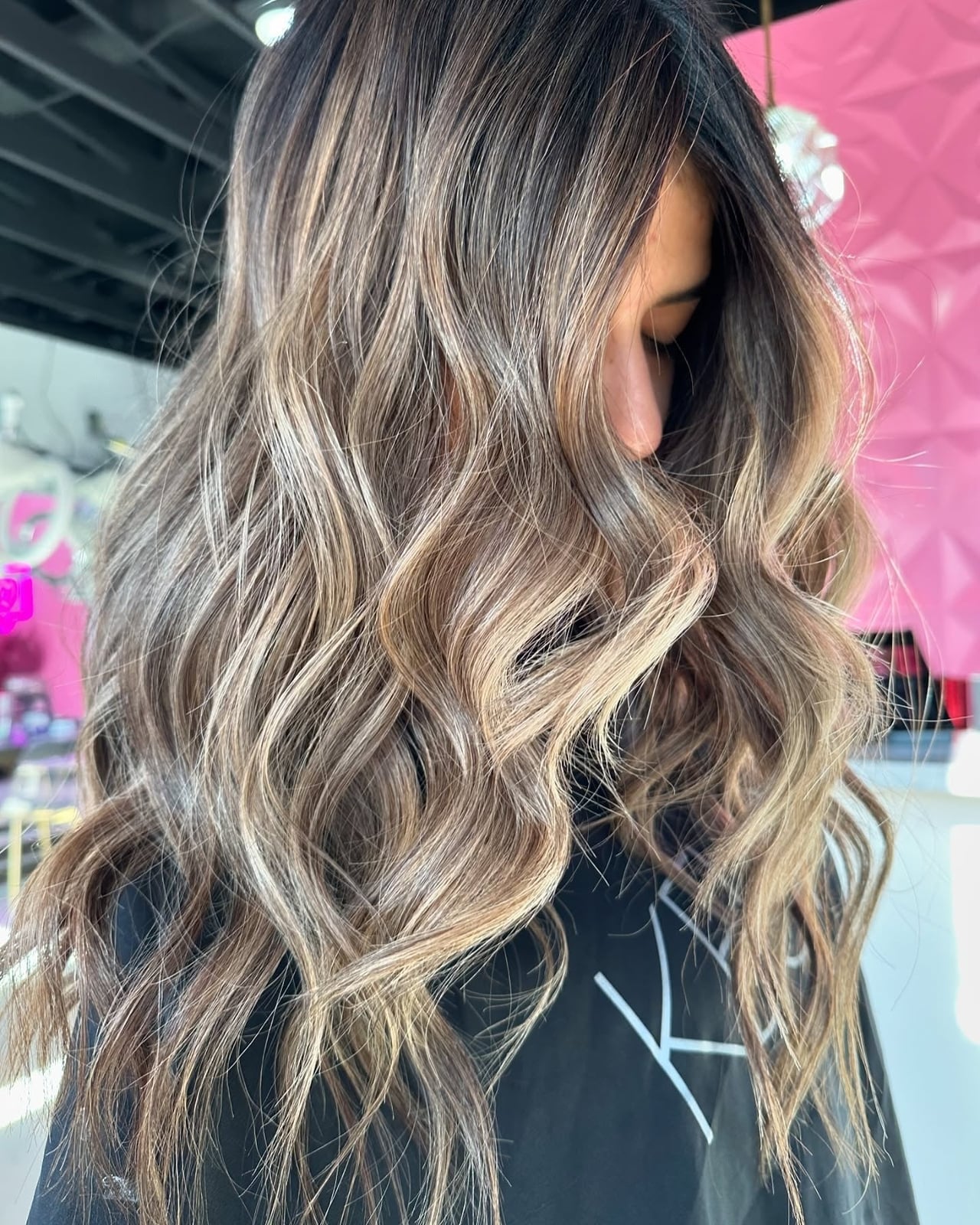
Sandy blonde reads warmer than ash and cooler than honey, a middle ground that works for a dark brown base. The balayage lifts the ends without the harsh root line that a full foil leaves behind. Fine, wavy hair at collarbone length or longer shows the transition best. The layered cut helps the highlights move through the surface rather than sink into the density. A relaxed wavy blowout keeps the finish modern.
Pass when you lean toward ash or golden tones. This mixture sits between them, and if you want a distinct cool or warm tone, you will end up toning at week three to push it one direction.
Dark blonde base with ash toned highlights and curtain, subtle twist
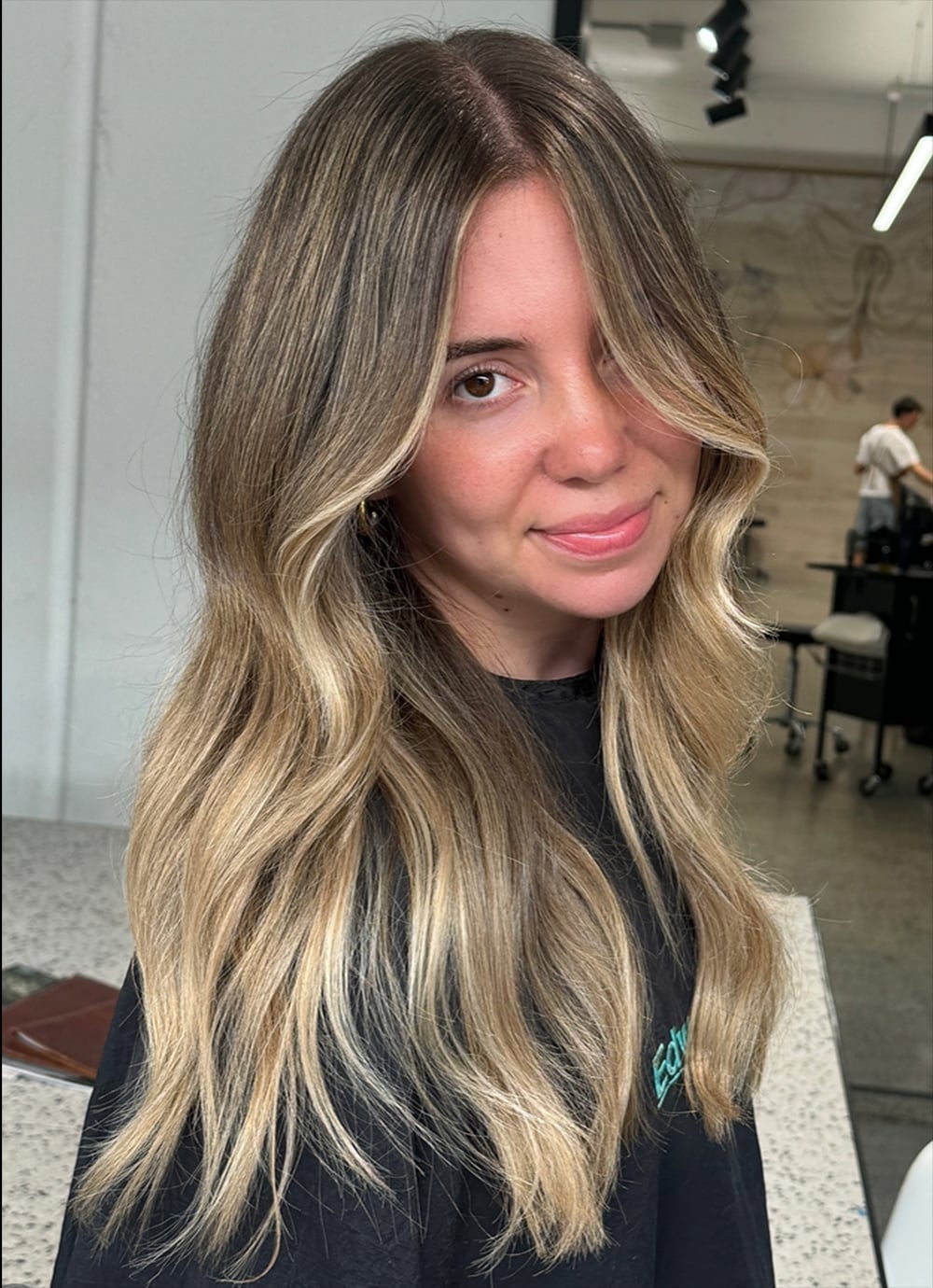
Curtain bangs change the balayage conversation. The dark blonde base keeps the root line soft, while ash-toned highlights lift the middle section and the ends. A wavy blowout with a middle part lets the curtain pieces frame without commitment. Oval and heart face shapes gain the most from the soft asymmetry. The ash tone requires a purple shampoo every two weeks to stay cool; skip that, and the highlights pull beige by month two.
Final Thoughts
By now you have scrolled through enough blonde to know which one sticks in your head. Pick by your real constraints.
- Fine hair: keep the light pieces away from the root to avoid a sparse look.
- Ten minutes in the morning: choose a lighter blend that air-dries soft.
- Cool base that pulls brassy: budget for a purple toner every six to eight weeks.
- Thick, wavy texture: ask for balayage that lands mid-length to ends so the wave pattern shows the color shift.
Select the balayage that best fits your lifestyle and hair goals.
